

Words: Mike Ryan
Photos: The Peninsula Hotels
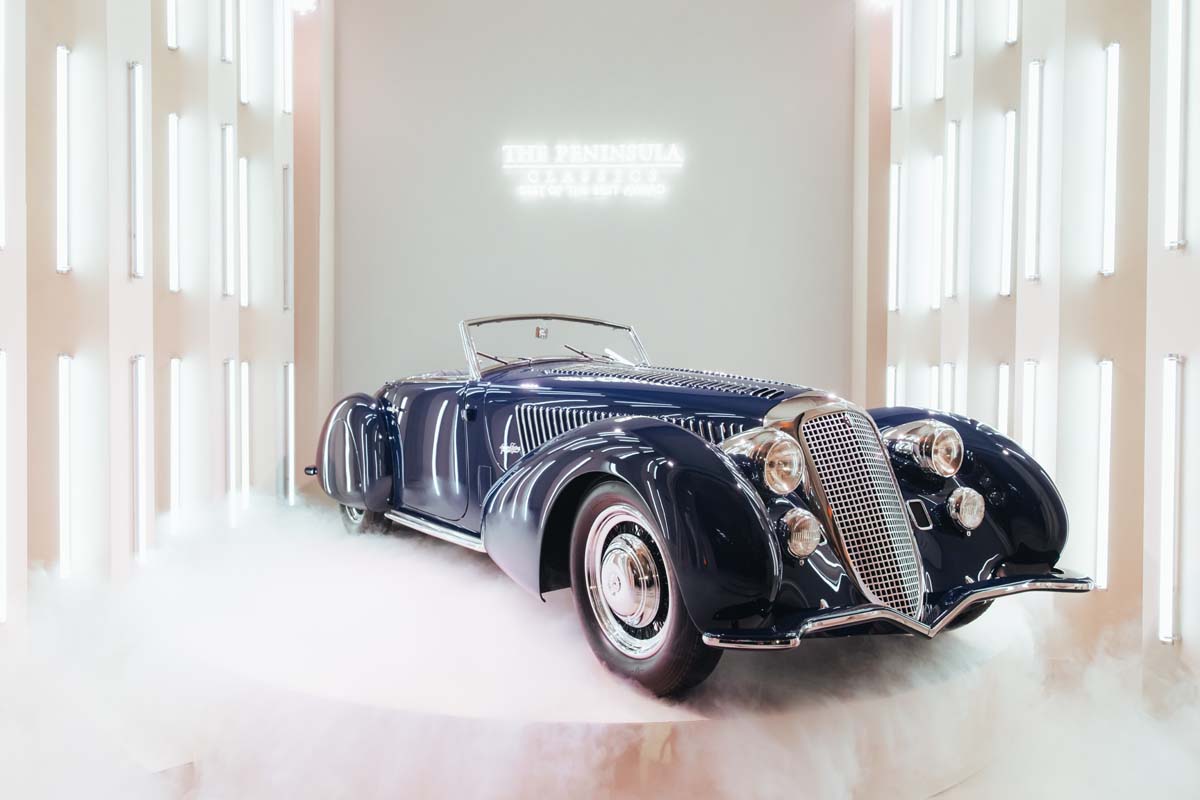
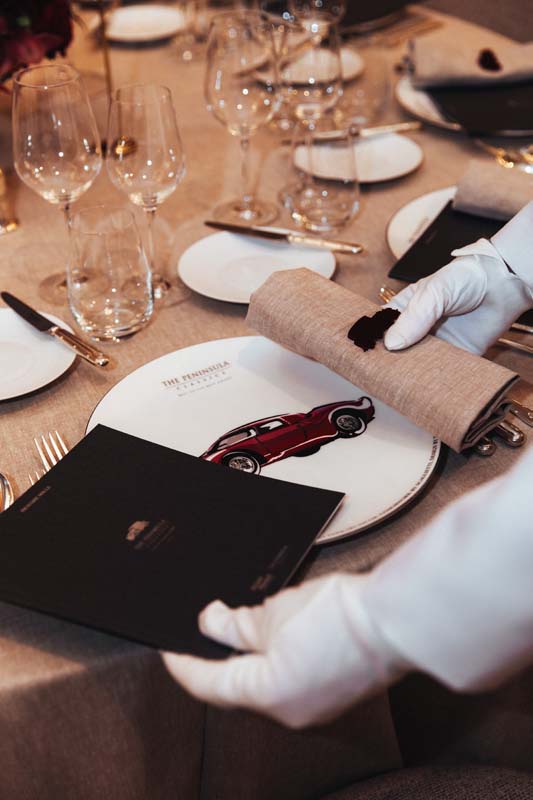
Since 2015, The Peninsula Hotel group have run ‘The Peninsula Classics Best of the Best Award’ that celebrates preservation and restoration of the world’s finest automobiles. This annual event invites outright winners (or those that have won significant awards) from the world’s premier concours events to compete for the title of ‘Best of the Best’.
For 2025, that honour went to a one-off Alfa Romeo with a connection to the early days of Formula 1.
Concours events providing entrants to this elite competition in 2025 included the Concorso d’Eleganza Villa d’Este in Italy, the Concours of Elegance, Salon Privé and Goodwood Festival of Speed’s Cartier Style et Luxe in the UK, plus the Palm Beach Cavallino Classic, The Amelia (aka the Amelia Island Concours d’Elegance), Pebble Beach Concours d’Elegance and The Quail: A Motorsports Gathering in the USA. From these events, the following finalists - all Best of Show recipients - were drawn:
- 1926 Rolls-Royce Phantom I (Concours of Elegance, UK)
- 1934 Alfa Romeo Tipo B (Villa d’Este, Italy)
- 1936 Mercedes-Benz 500K Spezial Roadster (Salon Privé, UK)
- 1938 Alfa Romeo 8C 2900B (The Amelia, USA)
- 1951 Bentley MkVI Cresta II (Goodwood FoS, UK)
- 1954 Ferrari 375MM (Palm Beach Cavallino Classic, USA)
- 1996 Ferrari F50 GT (The Quail, USA)
It should be noted that the Best of Show winner at the 2025 Pebble Beach Concous d’Elegance, the 1924 Hispano-Suiza H6C ‘Tulipwood Torpedo’ that recently featured with JUST CARS, withdrew from Best of the Best.
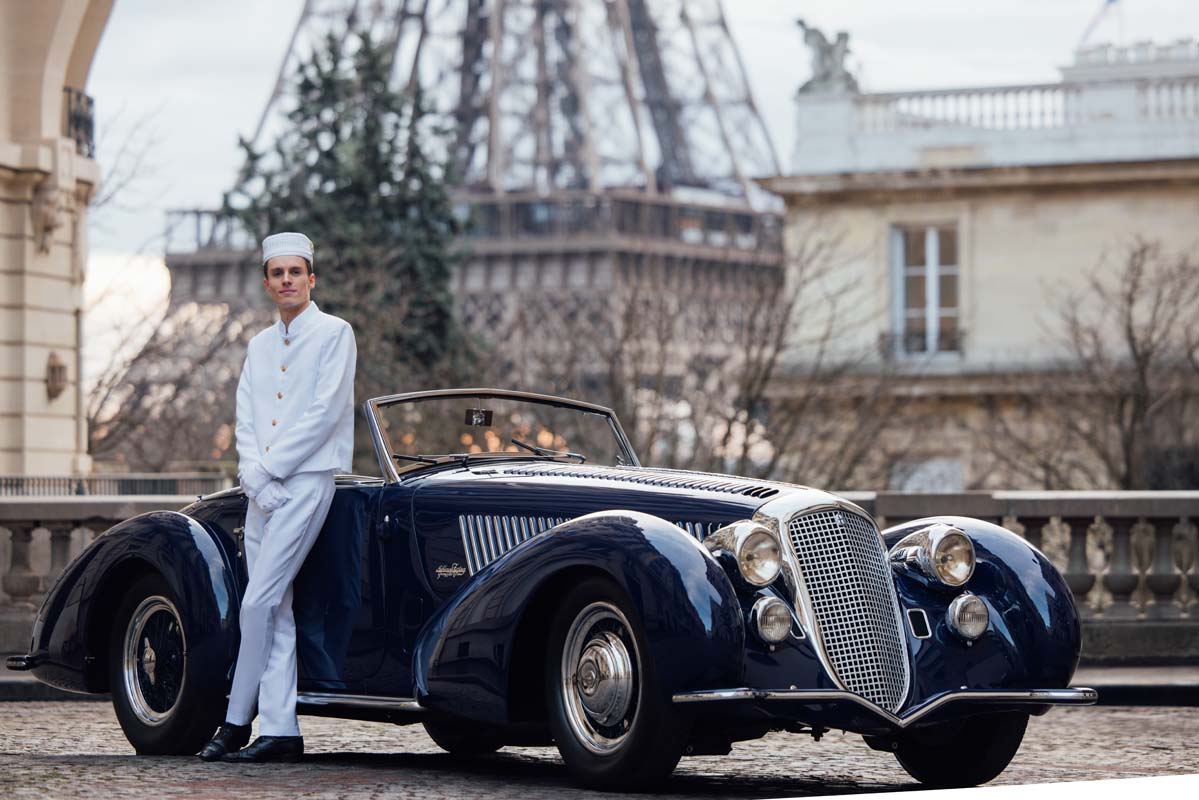
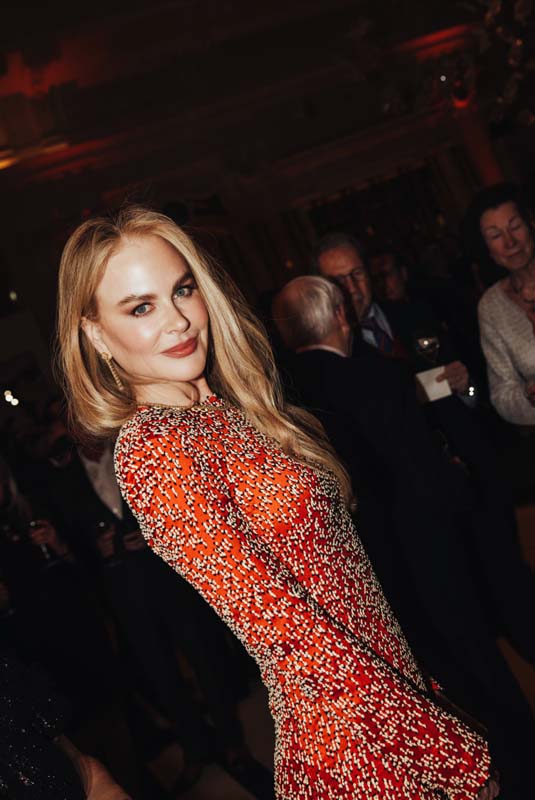
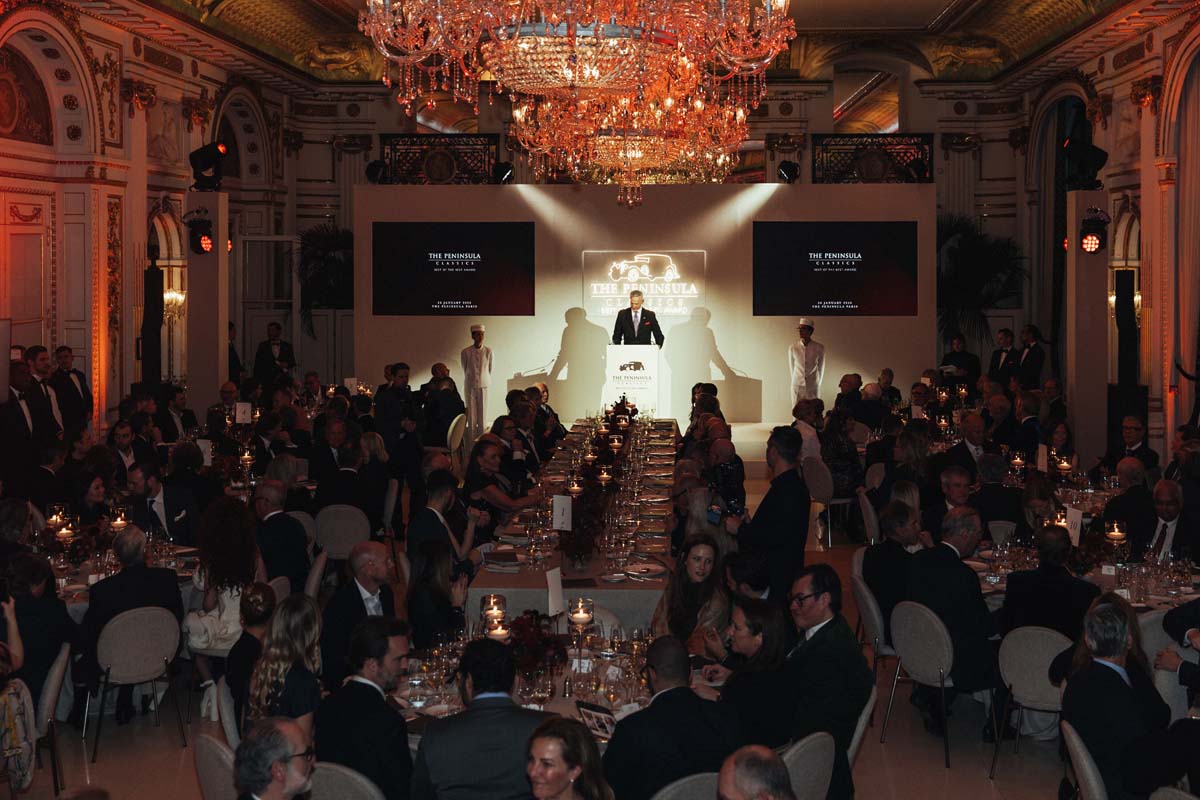
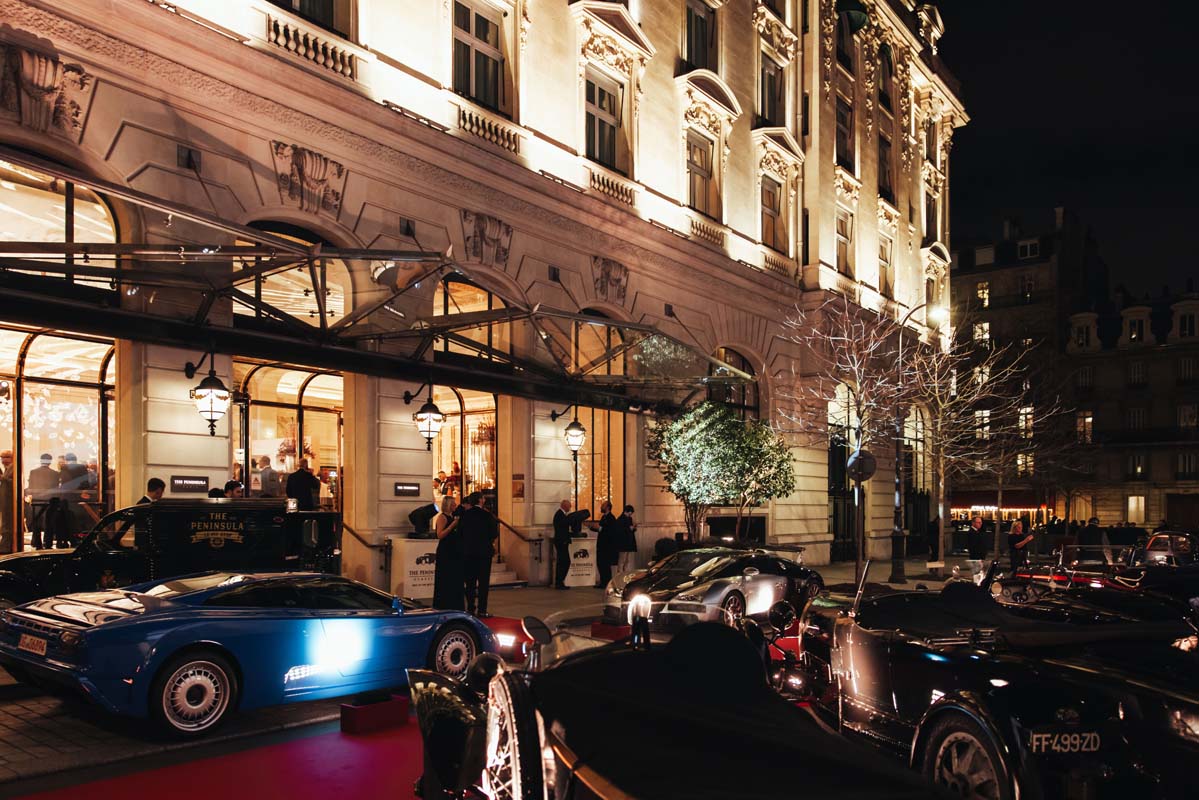
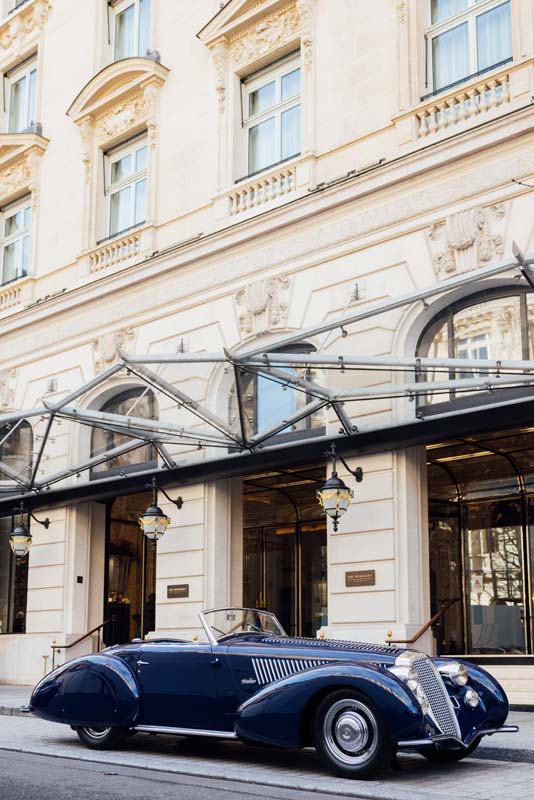
The Peninsula Paris hosted the awards ceremony on 26 January, 2026, where the hotel’s forecourt was filled with outstanding cars, and Nicole Kidman was amongst the special guests.
Elite Cars, Elite Judges
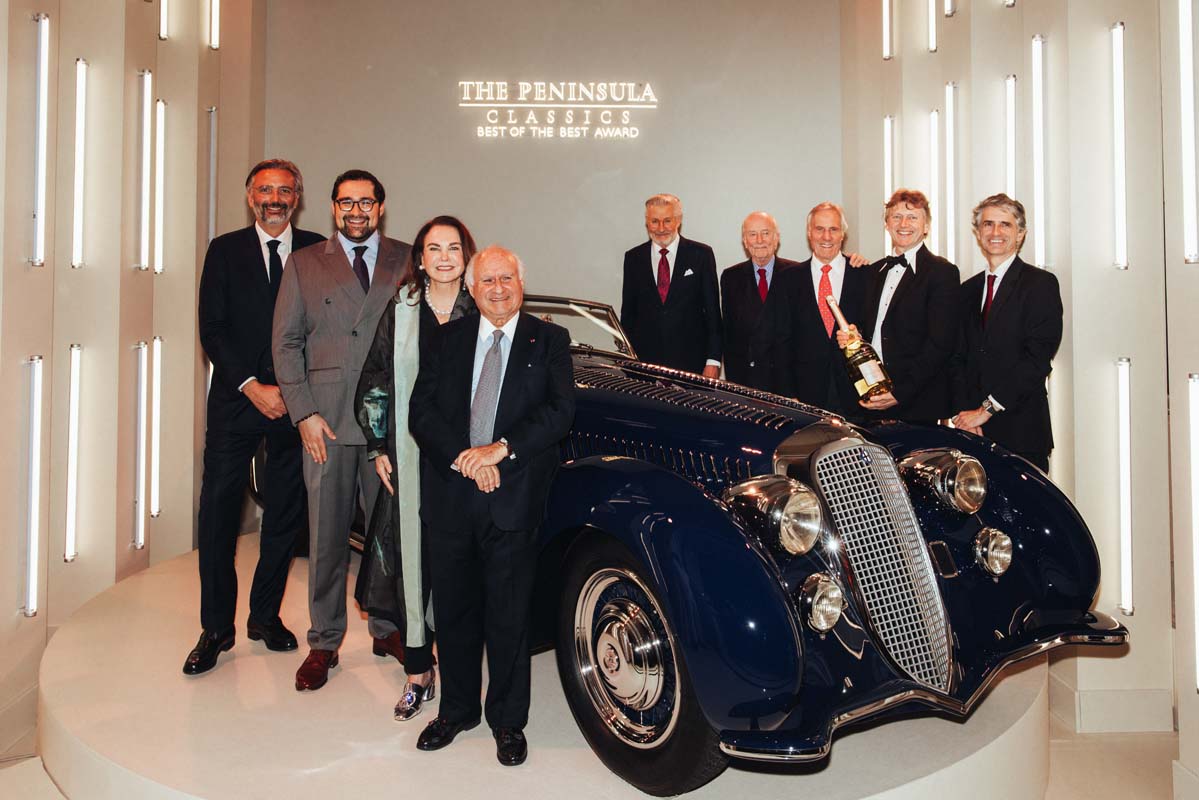
The judging panel for The Peninsula Classics Best of the Best Award included luminaries of the industry, like sports car racer and builder Gordon Murray, Ford Motor Company executive Henry Ford III, and Italian car designer Fabio Filippini. Joining them were international royalty and some of the world’s most notable classic car enthusiasts and collectors, like Jay Leno.
With such an elite crop of vehicles to pick from, any of the seven finalists would have been worthy winners, but in the end, the Best of the Best award went to the 1938 Alfa Romeo 8C 2900B from The Keller Collection in the USA.
A Sports Car for Sports Men
Developed from the 6C model of the 1920s, Alfa Romeo’s 8C (for 8 cylinder) debuted in 1931, taking the double overhead camshafts and multi-piece block that had been developed for the 6C inline six engine. Initially, bore and stroke were unchanged from the 6C 1750 (1752cc), meaning the growth to 2336cc for the 8C 2300 was achieved simply by adding two more cylinders.
In 1933, enlarging the bore resulted in the 8C 2600 (2557cc), while the 8C 2900 that was released in 1935 increased the inline eight’s bore and stroke to reach 2905cc capacity.
Twin superchargers, a rear transaxle and fully independent suspension featured on Grand Prix versions of the 8C 2900, which like its predecessors, would be near unbeatable in competition. Along with winning seven out of nine editions of the Mille Miglia in the 1930s, the 8C would win the 24 Hours of Le Mans from 1931 to 1934, the 1936 Spa 24 Hours and many other events.
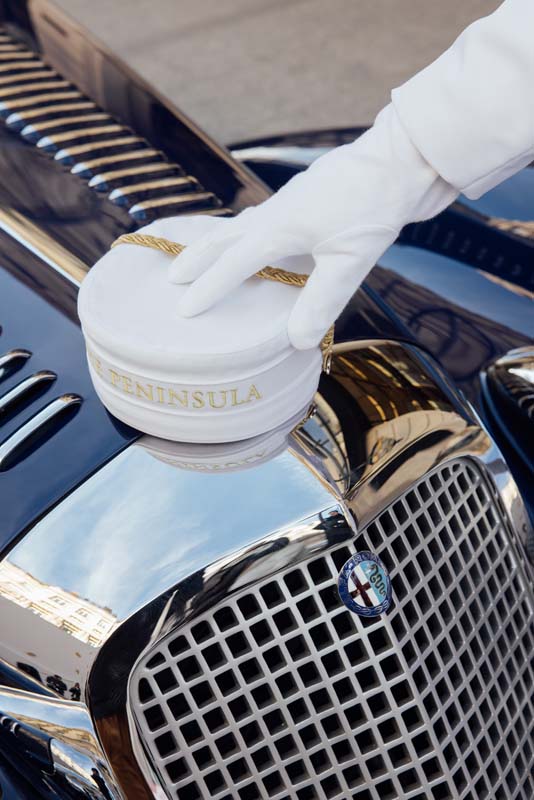
As a performance car first and foremost, the 8C 2900 (retrospectively labelled the 8C 2900A) was quite raw, so in 1937 Alfa Romeo introduced the 8C 2900B, which was powered by a detuned version of the 2905cc straight eight and featured better cabin appointments. Of the available Corto (short) and Lungo (long) wheelbases, the former was very much a sports car for competition use, with the latter arguably more of a grand tourer. Even so, it was still capable of speeds in excess of 180km/h.
It’s estimated that just 32 examples of the 8C 2900B were built before the onset of World War II ended production. Of those, all bar one were bodied by Carrozzeria Touring in a mix of open and closed coupe styles. The outlier was a roadster built by Farina in 1938 for a special customer with a close family connection.
New for Nino
Known primarily as the first Formula One Word Champion in 1950, Guiseppe ‘Nino’ Farina had a racing career that stretched back to the 1920s. Born in 1906, Nino was the son of Giovanni Farina, who had founded the ‘Stabilimenti Farina’ carrozzeria. Not be confused with Pinin Farina (later Pininfarina), which was started by Giovanni’s younger brother, Battista, in 1930, Stabilimenti Farina’s origins can be traced back to approximately 1900, although auto body building didn’t start in earnest until 1919.
After success at a local level, mostly at the wheel of a Maserati 4CM in the early 1930s, Nino Farina came to wider attention when he joined Scuderia Ferrari in 1936. Run by Enzo Ferrari and essentially the Alfa Romeo works team before Alfa Corse was formalised in 1938, the Scuderia saw Farina achieve three successive Italian championships from 1936, as well as numerous podium finishes in other events. A Mille Miglia win eluded Farina, although he did finish second on three occasions.
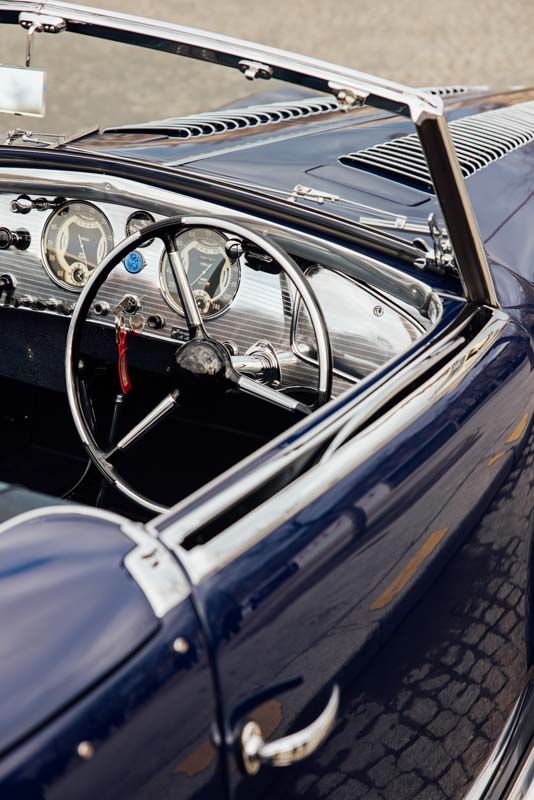
Nino Farina’s connection to the car featured is that he bought it new in 1938, then turned it over to his father to design and produce the bodywork. Battista Farina allegedly had some input into the design, too.
Mystery Years
Farina is believed to have owned this 8C 2900B for only a few months, with much of its history for decades after 1938 not fully known. After passing through multiple Italian owners, the 2900B landed in the USA in the late 1940s. There, it passed through another succession of owners, before landing in Bill Harrah’s massive collection sometime around 1964. It stayed with him until 1983, after which it went to Europe, where an attempt at restoration began, allegedly employing Swiss coachbuilders, Graber, who were best known for their bodies on the Alvis TD21.
Sometime in the early 1990s, noted car collector Arturo Keller purchased the partly restored Alfa and brought it back to the USA, where the restoration was completed. This removed many of the modifications and add-ons the car had gained over the years. Completed in 1995, the ex-Farina Alfa is now said to be as close as possible to its original configuration.
On the Road Again
Fresh from its restoration, the 2900B was displayed at Pebble Beach in 1995, then Villa d’Este and other events the following year. Entered at Amelia Island in 2005, no significant refurbishment is believed to have been done to the car before its return to Amelia last year, which makes the Best of Show win and subsequent Best of the Best honour more significant.
Following Arturo Keller’s passing in 2024, his widow, Deborah continues to display this car and others in The Keller Collection.
“I am thrilled and deeply honoured to accept The Peninsula Classics Best of the Best Award,” said Deborah Keller. “This unique vehicle exemplifies the golden era of Italian automotive design and craftsmanship, and every time I see it, I am reminded why such magnificent automobiles deserve to be preserved and celebrated.”
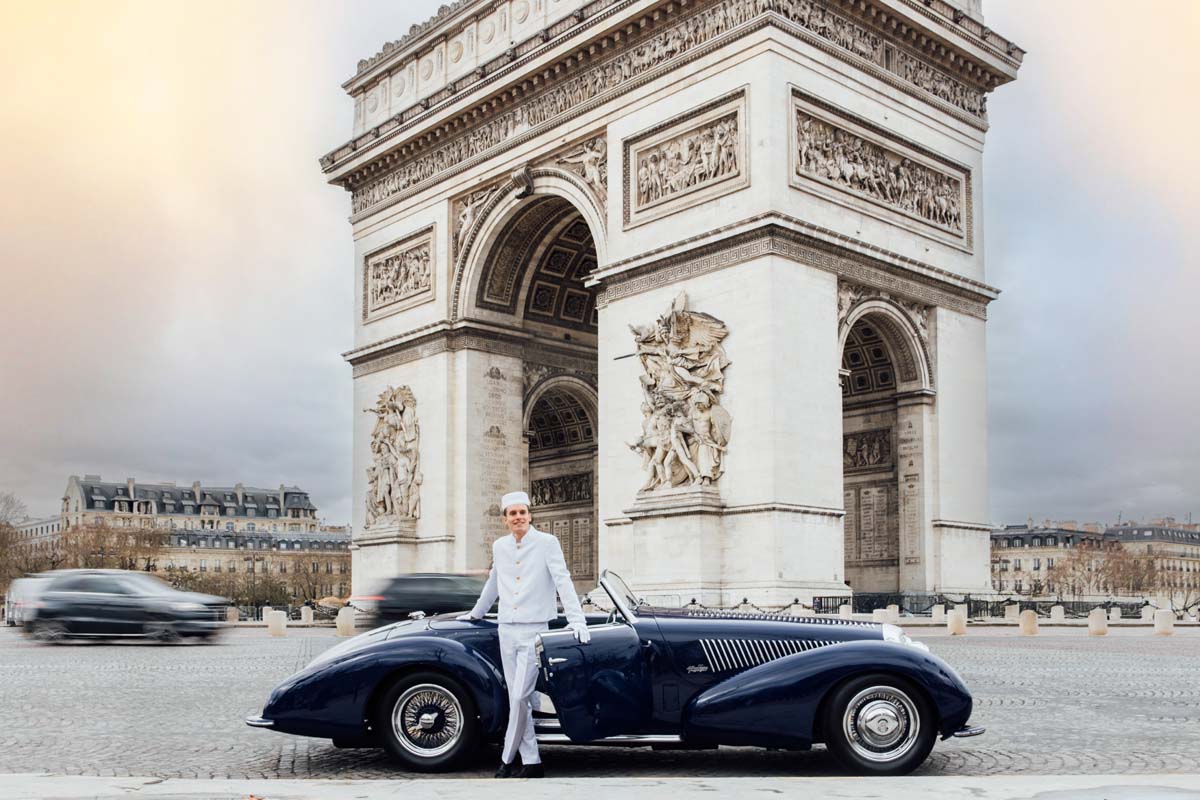
Following the Best of the Best award ceremony, this unique Alfa Romeo was displayed at the Rétromobile classic car show in Paris.
“The winning 1938 Alfa Romeo 8C 2900B represents the pinnacle of prewar performance engineering,” said Christian Philippsen, co-founder of The Peninsula Classics Best of the Best Award.
“It served as the fastest and most exclusive Italian automobile of its era, and we could not be more thrilled to recognise it as the best of the best.”


