

Words: Mike Ryan
Photos: Broad Arrow Auctions
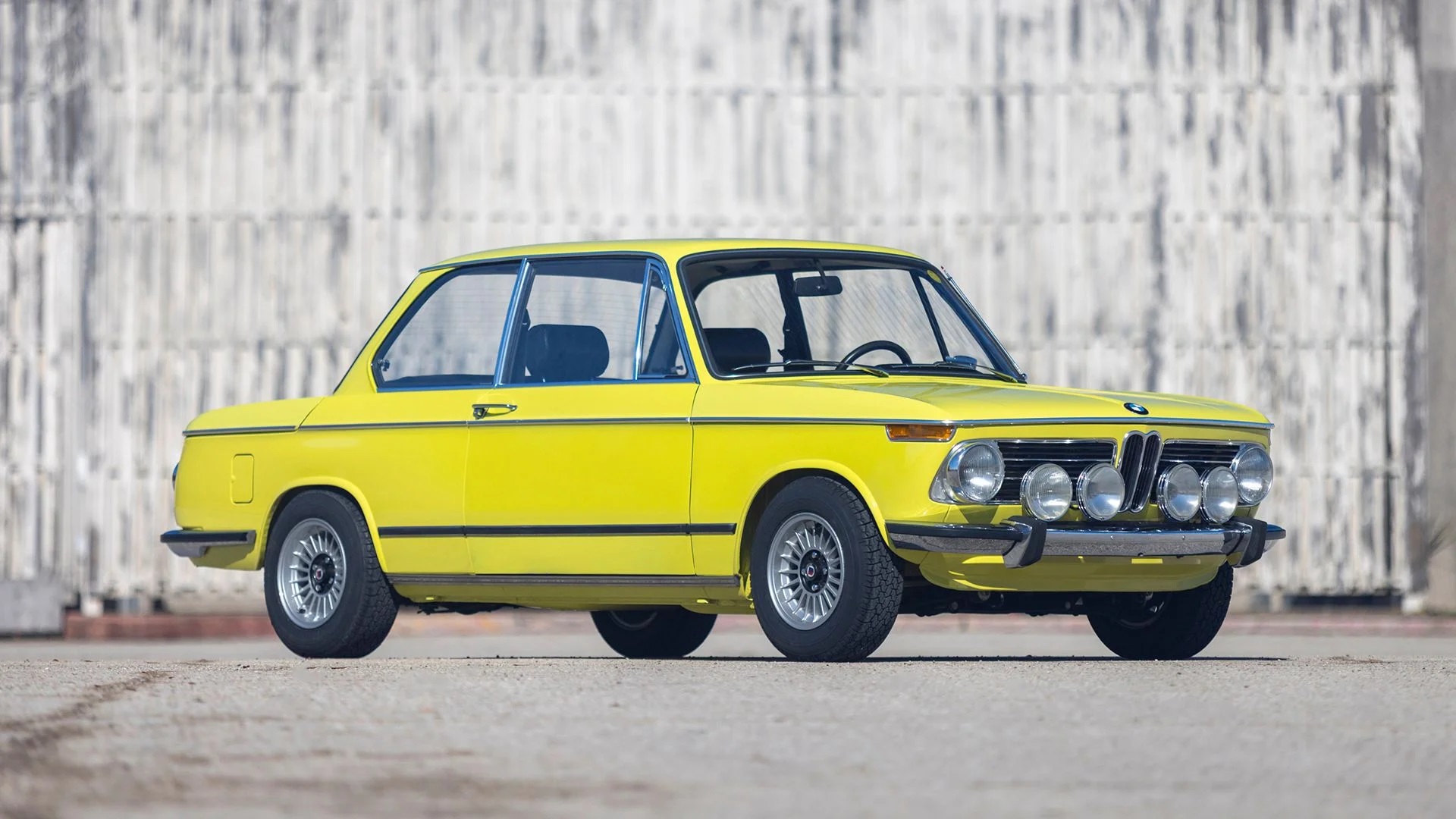
BMW’s 2002, along with its 1602 and 1802 siblings, may not be well-known or highly desired models here in Australia, but in Europe, they’re iconic. A few years ago, a German company started offering EV conversions - in combination with comprehensive restorations – to future-proof these icons for a post-petrol era. Is it sacrilege or salvation?
While EV conversions of classics are nothing new, with everything from Rolls-Royces to VW Beetles getting their internal combustion engines replaced with electric motors and battery packs, BMWs had largely escaped attention from this growing industry until recently.
Breaking Barriers…
in 2020, Munich-based brothers, Edgar and Nicolas Navarro, launched ‘Bavarian Econs’. Reimagining BMW’s 02 Series with electric drivetrains, Bavarian Econs are responsible for the car featured, but what they’ve done in converting a classic BMW to electric power isn’t entirely without precedent.
Back in 1972, BMW fitted a pair of 1602 sedans with electric drivetrains for use at the Munich Olympic Games. The ‘Elektro-Antreib’ (Electric Drive) 1602s produced 32kW from a front-mounted motor driving the rear wheels. Top speed was 100km/h, but range was just 60km and the lead acid batteries added 350kg to each car’s weight.
Bavarian Econs have much more modern – and much lighter – technology at their disposal, but aware of the resistance to such conversions among classic BMW aficionados, they've stated that they will convert no more than 30 cars from the 02 family. However, even if they multiplied that by a factor of ten, it’s hard to imagine they’d seriously impact the 02 market. BMW built almost 700,000 of these cars in period, including the Baur convertibles, Touring hatchbacks and the almighty 2002 Turbo.
What sets Bavarian Econs apart from some other firms offering EV conversions is that their work is combined with comprehensive, bare-metal restorations by BMW Group Classic, to ensure the condition of the finished article is equal to or better than when it left the factory.
…without Breaking Rules
What Bavarian Econs are doing sounds simple enough, but undertaking such an operation in Germany requires adherence to that country’s notoriously strict TÜV inspection standards. To ensure all TÜV hurdles could be cleared, a prototype was tested for thousands of miles on high-speed autobahns, suburban streets and challenging alpine roads. In the high-altitude testing, the benefits of electric power over atmospheric combustion really made themselves felt.
From that prototype, the production car featured here was built. The donor was a low (20,000) mileage 1972 2002tii. Back then, the ‘tii’ suffix denoted fuel injection for the 2.0-litre four-cylinder M10 engine, instead of the twin carbs that defined the 2002ti, while the base 2002 used a single carburettor on the same engine.
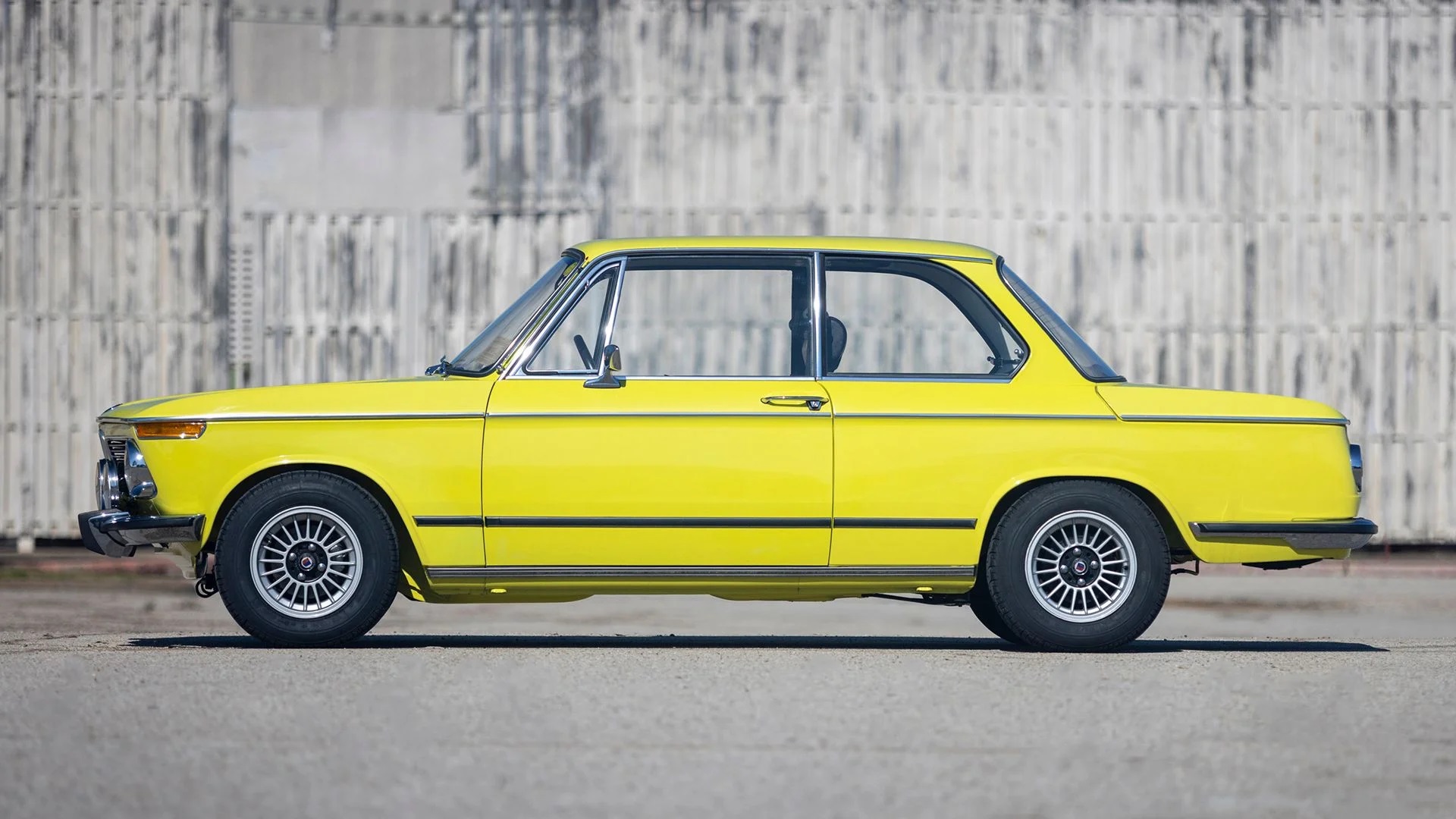
Labelled as the 2002te (‘e’ for ‘electric’), this car would be the showcase for Bavarian Econs’ conversion work. Presented at car events through Europe, the UK and US in 2023 and 2024, this 2002te also featured in publications like MotorTrend and Top Gear.
Given the original 02 series, especially in 2002 form, set a template for performance that would be followed by subsequent 3 and 5 Series models from BMW, the Bavarian Econs creation had a reputation to live up to. Going by reports from the aforementioned publications, the 2002te lived up to the 02 heritage, offering the immediate but reliable and linear acceleration you’d expect from an EV, along with 50/50 weight distribution for optimal balance. Boot-mounted batteries improved traction compared to the ICE original, too.
Tesla and BMW
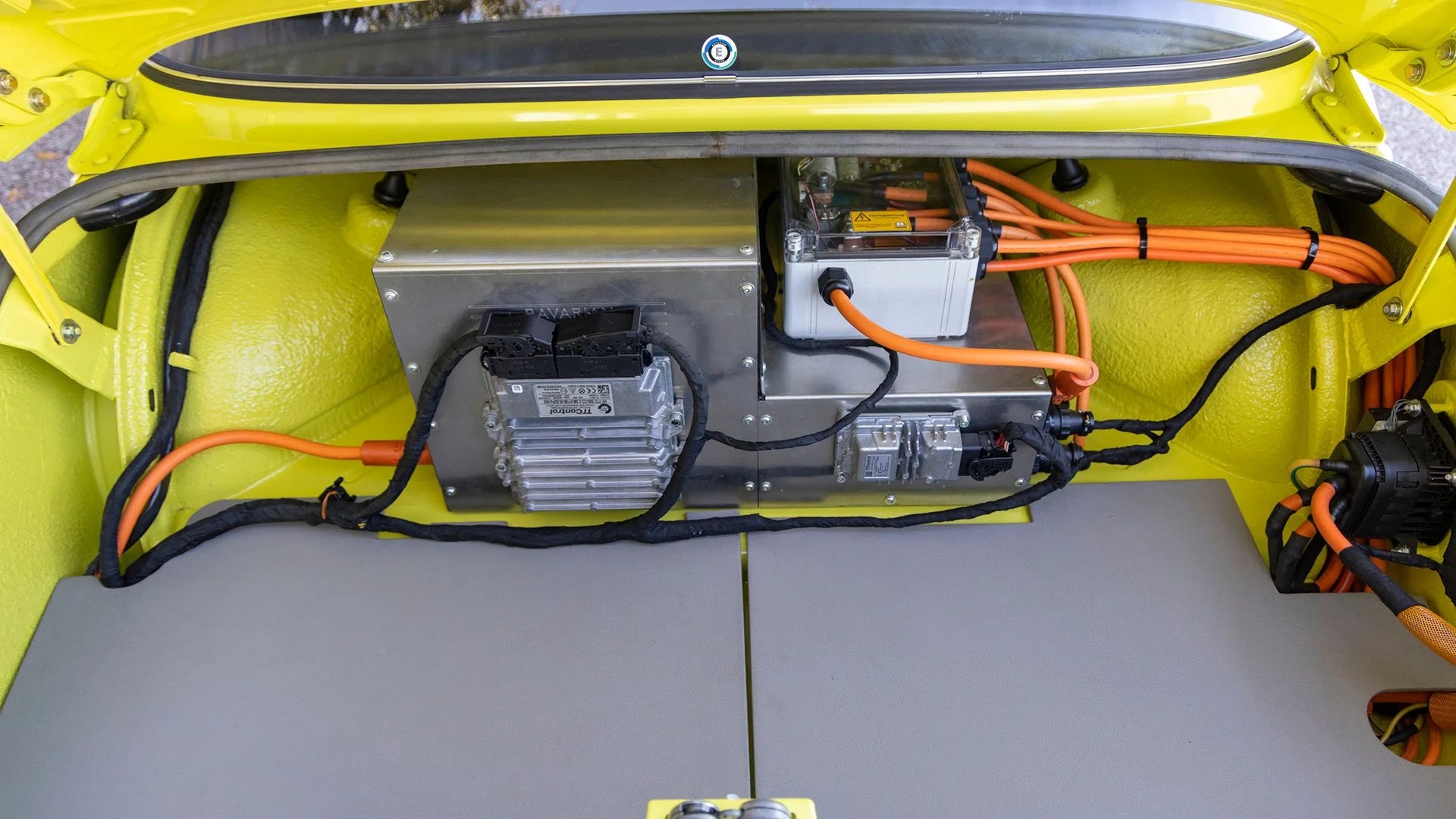
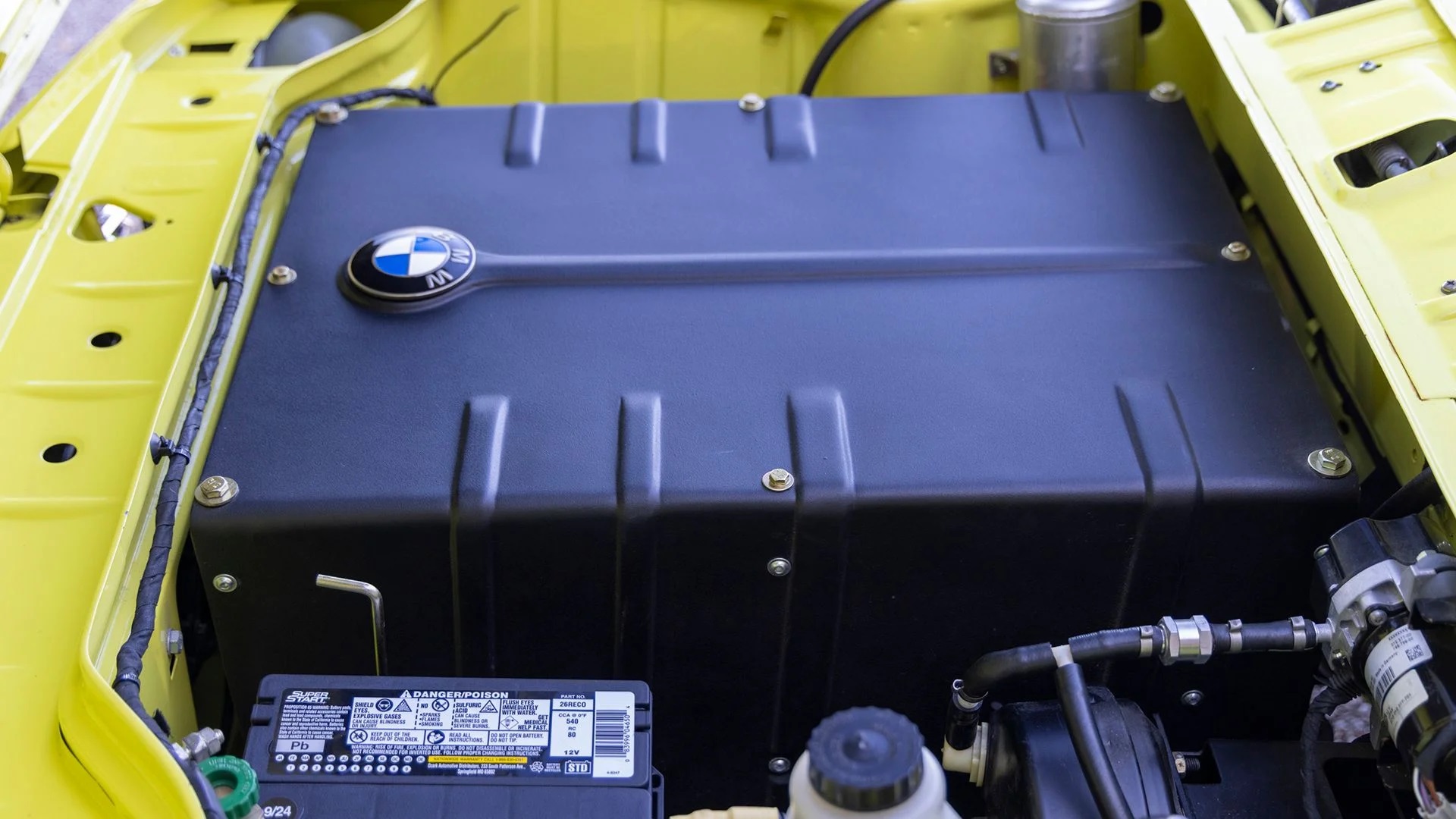
In terms of the 2002te featured, the drivetrain swap consisted of placing the 120kWh front-axle motor from a Tesla Model S on the BMW’s rear axle, with new 33kW batteries of the same types used in the BMW i3S and Mini Electric, split between the front and rear, as part of a 400V system. In this form, weight was listed at 1,100kg, which is a 100kg increase on the car's original weight. Performance is claimed at 133kW (180hp) and 169Nm (125lb/ft), with 0-100km/h acceleration of 6.2 seconds. To put that into perspective, acceleration is around four seconds quicker than a 2002 with the M10 petrol engine.
Optional to the 2002te, Bavarian Econs offered the 2002tee and 2002 turbo e with 45kW batteries. The tee has since been deleted, but the turbo e remains, adding wheelarch flares, a bodykit and BBS wheels. An additional 100kg of weight is offset by an increase in performance to 184kW (250hp) and 220Nm (162lb/ft), plus a shorter 4.5 second time for the 0-100km/h sprint. Both EV options claimed to offer 200km range, with 0-80 per cent recharging in 45 minutes using an 80kWh fast charger.
Beyond the Drivetrain
Brakes for the 2002te – disc front, drum rear – were unchanged from the original car but refurbished, although Bavarian Econs do fit beefier brakes to the 2002 turbo e, with regenerative braking for both. Suspension was upgraded with modern polyurethane bushes and fully adjustable KW V3 Classic coilover shocks for both variants, allowing owners to dial in their preferred level of stiffness.
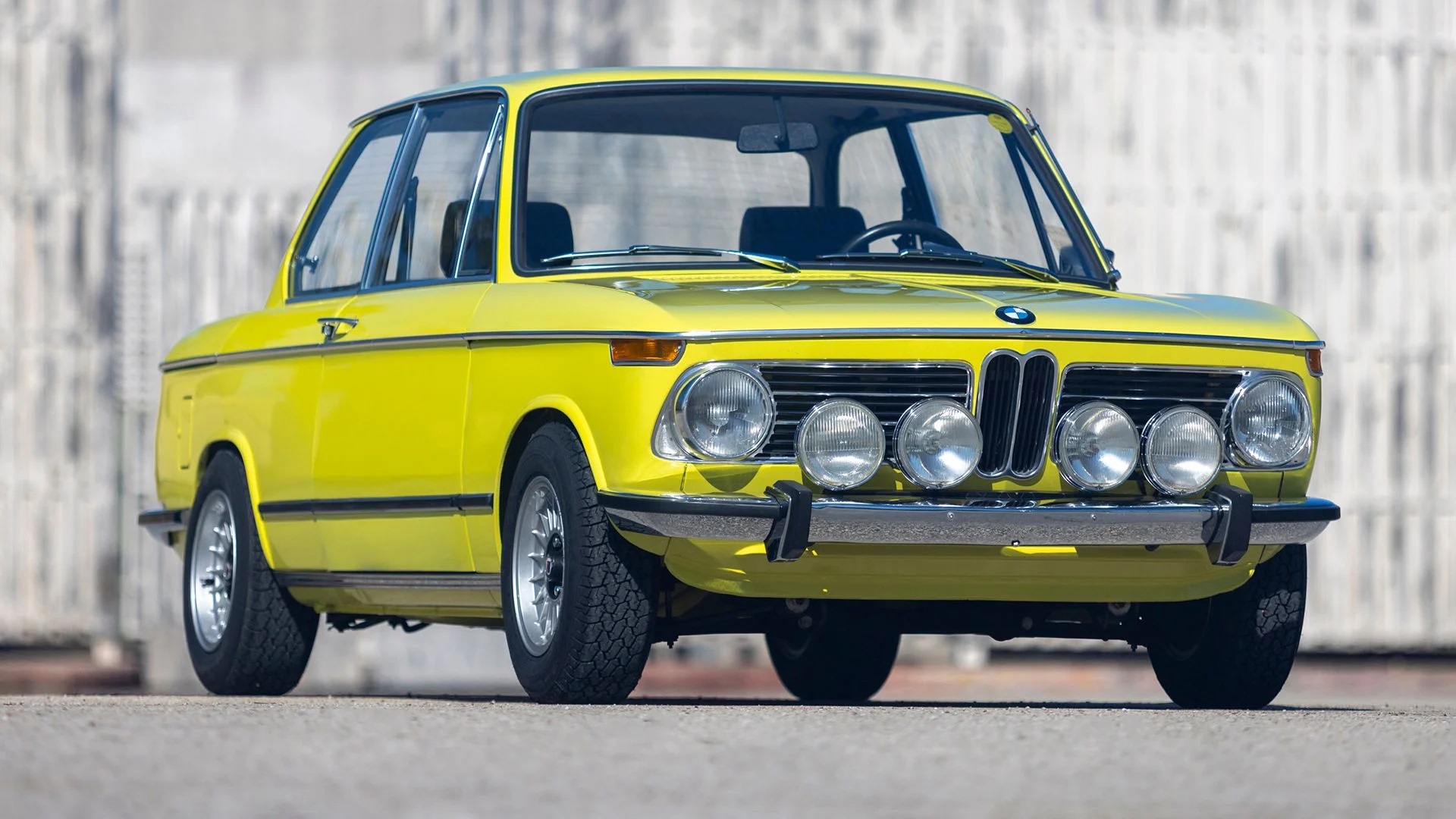
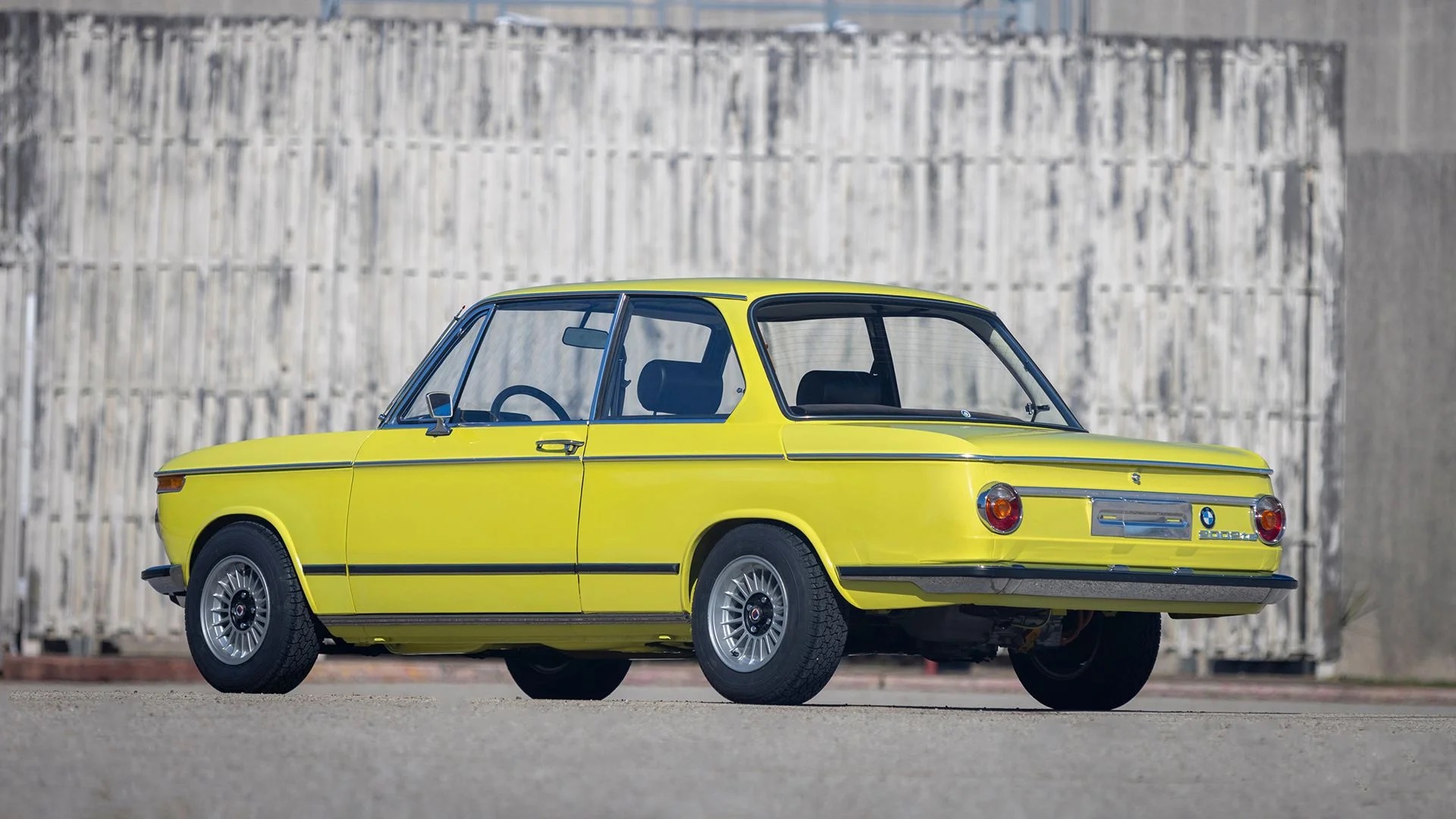
The donor 2002tii was originally painted in Golf Yellow, which was left as is for the EV conversion, and only touched up where needed. The ‘roundie’ tail lights are unchanged, with the ‘2002te’ badge on the tail styled to look like the original 2002tii badge.
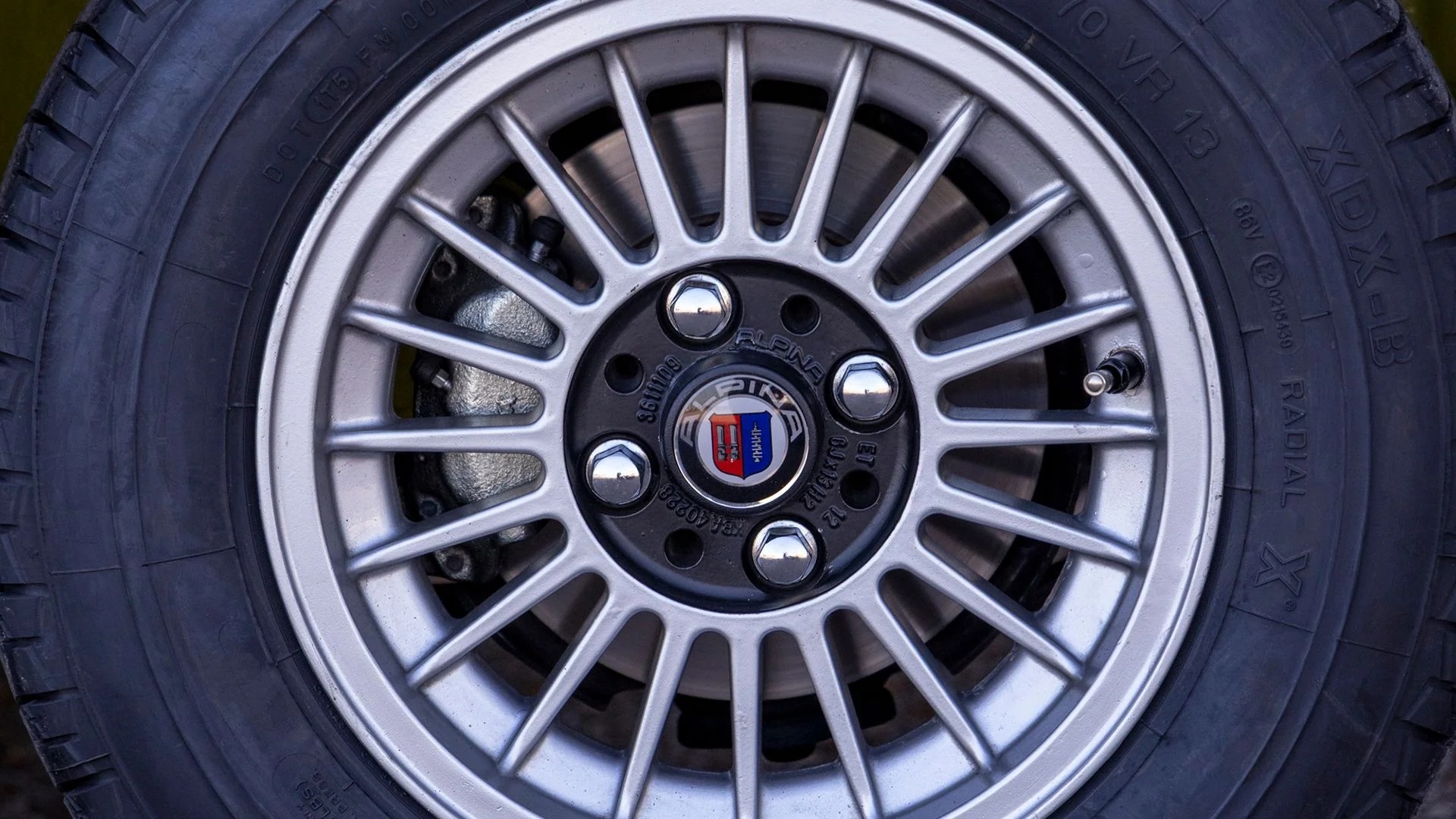
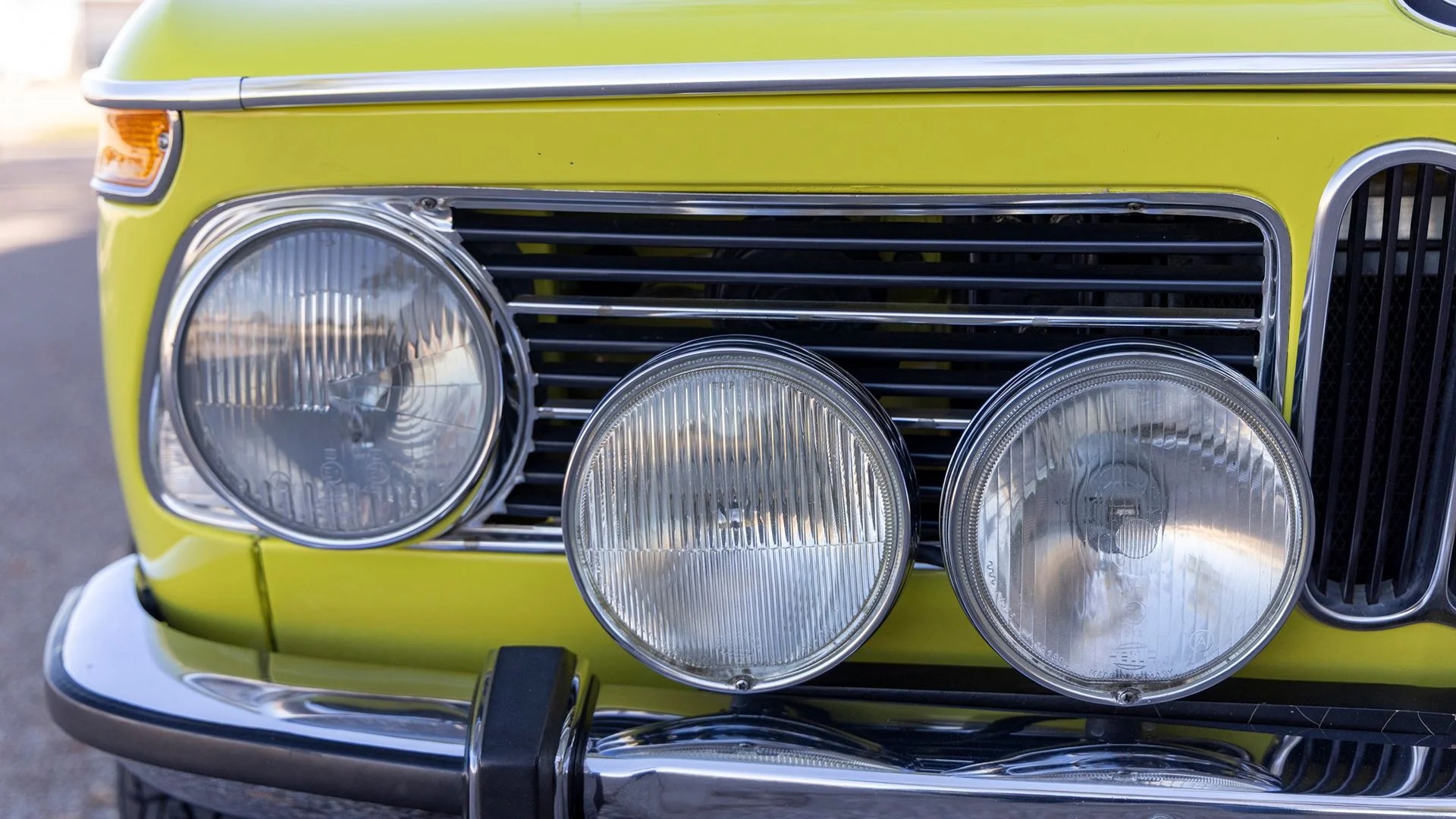
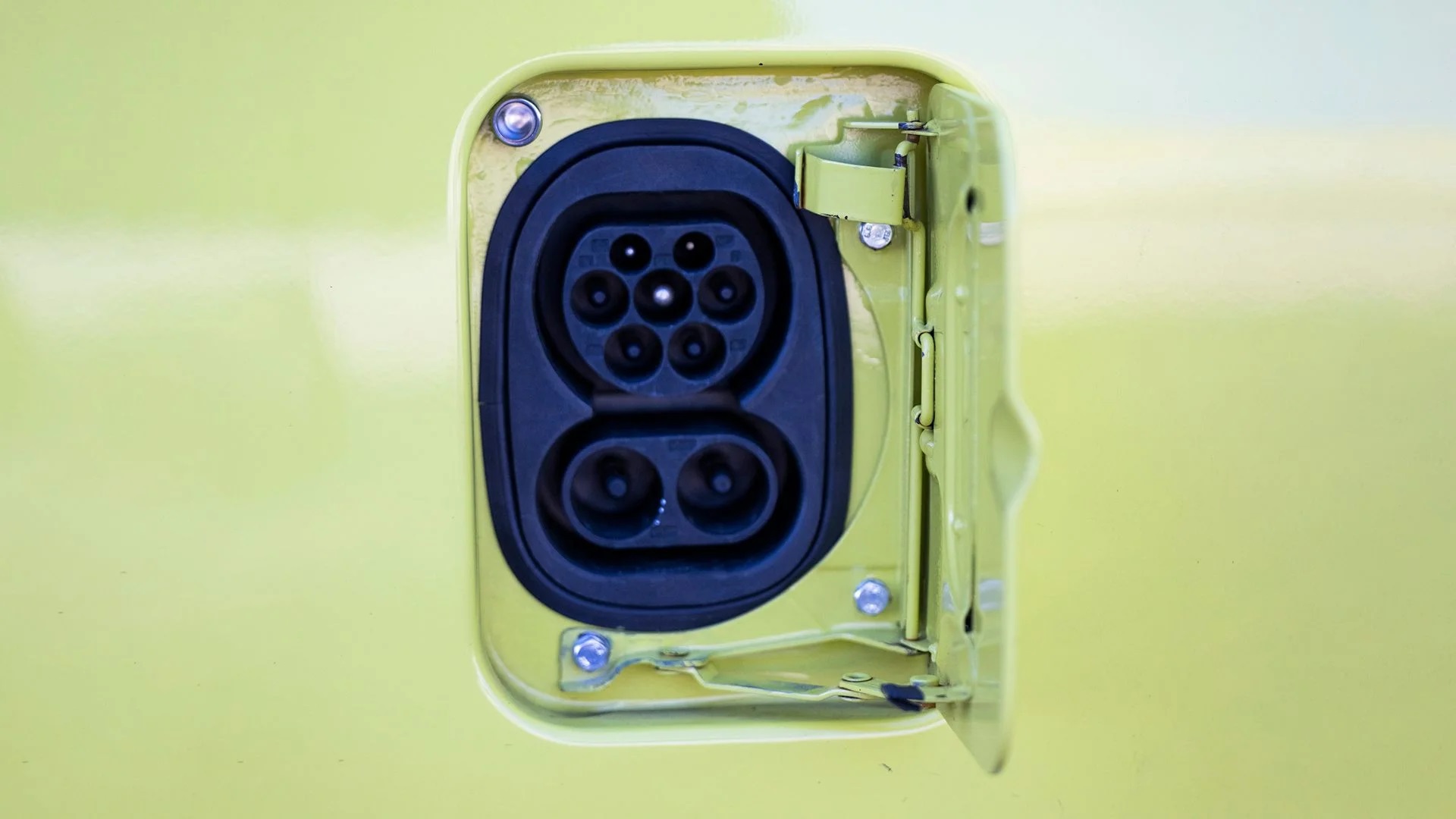
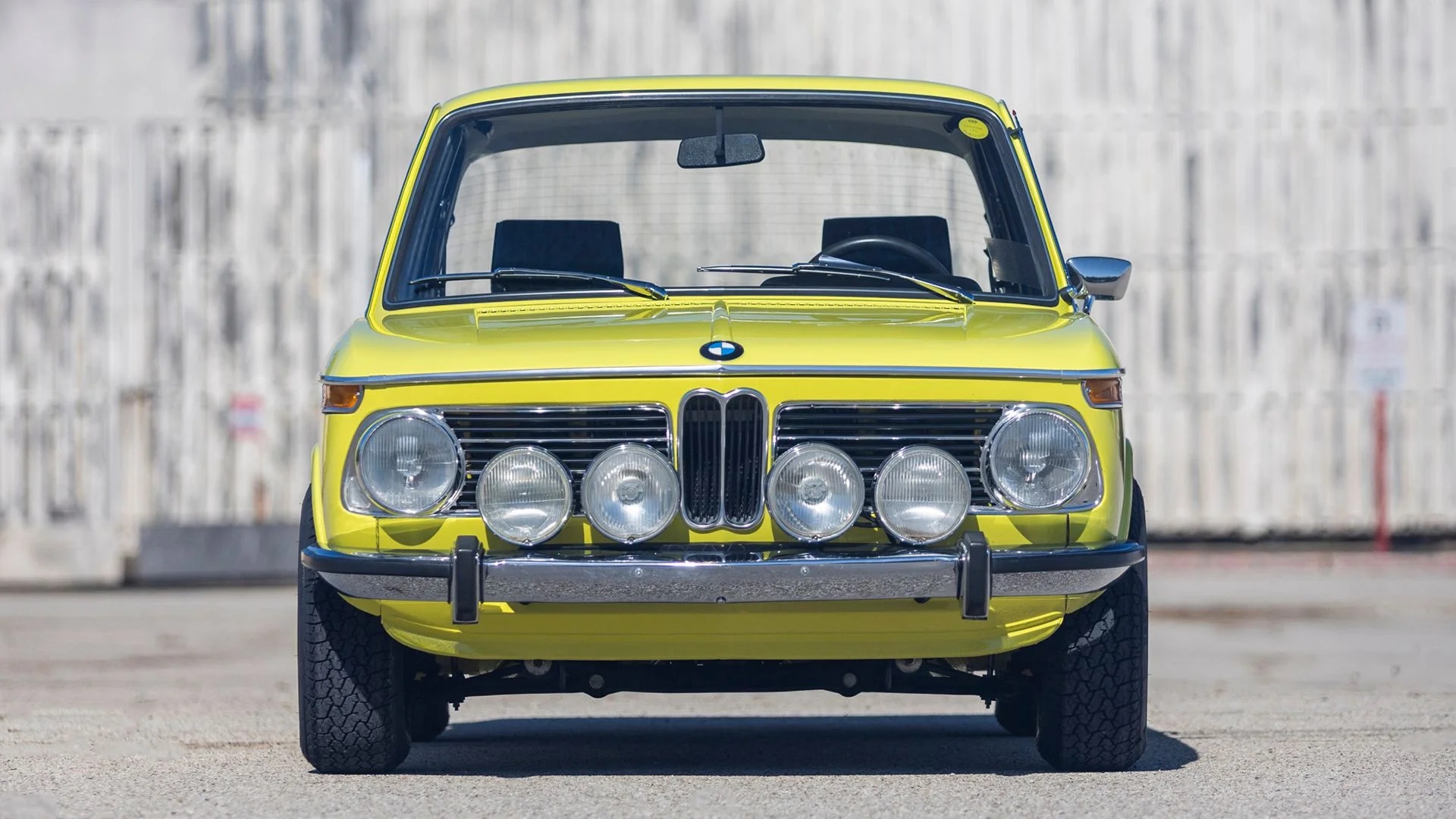
The EV charge port sits behind a rectangular flap on the offside rear quarter panel that replaces the original circular fuel filler cap. A set of period 13-inch Alpina wheels add a touch of style, while a quartet of Hella driving lights evoke classic endurance racing machines of the 1970s.
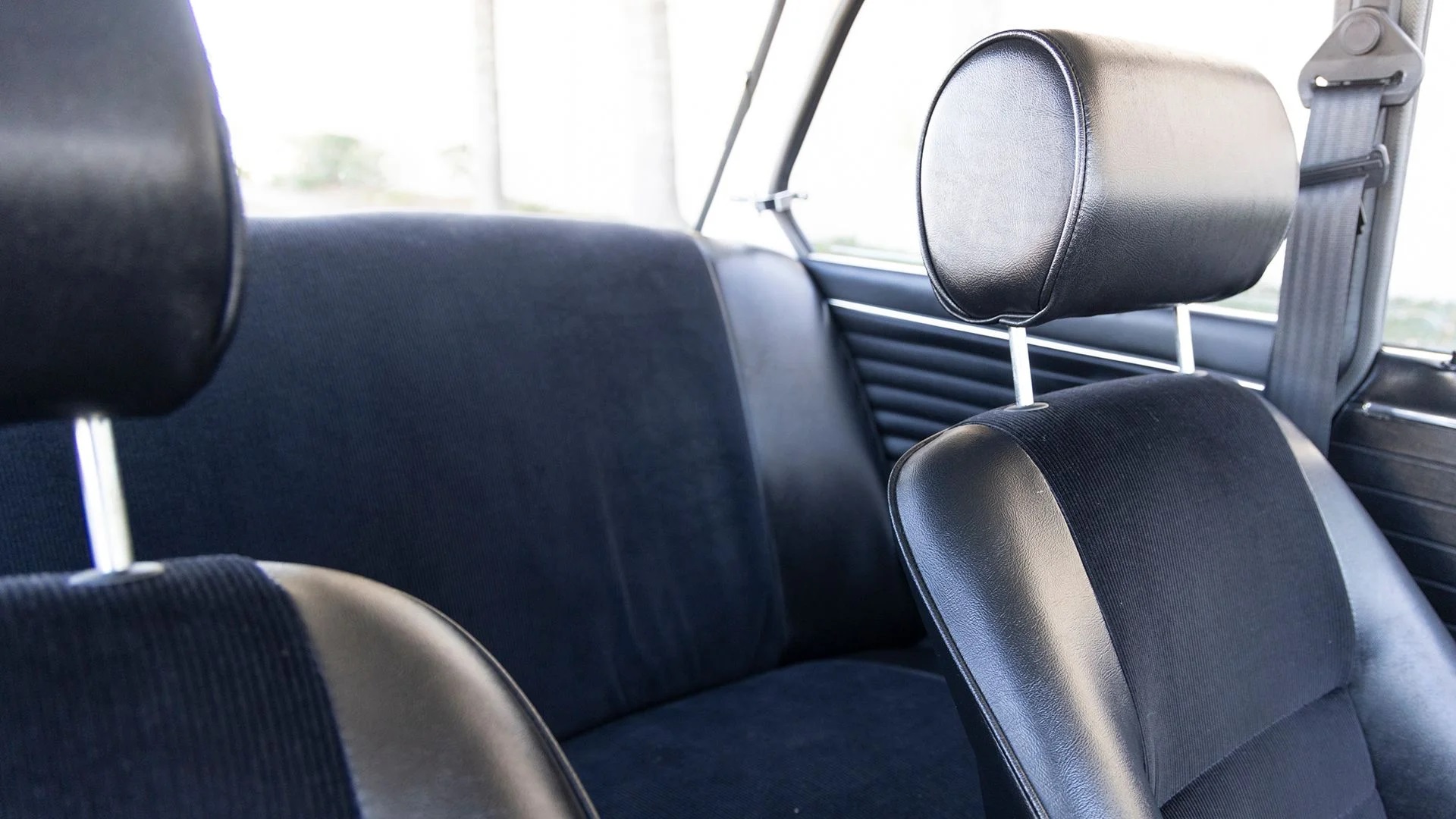
Authentic interior
The same approach to the donor car’s exterior was applied to the black leather and cloth interior, leaving as much untouched as possible. Modifications over the original spec included a pair of period-style sports seats and a Momo Prototipo steering wheel (wearing the Bavarian Econs logo).
The lack of a gear shifter is notable. This has been replaced by a large dial in the centre console, offering the ‘Reverse,’ ‘Neutral’ and ‘Drive’ options that are all you need for an EV. Bavarian Econs also fitted a drive mode selector for switching between ‘Normal’ and ‘Sport’ modes to adjust the power delivery.
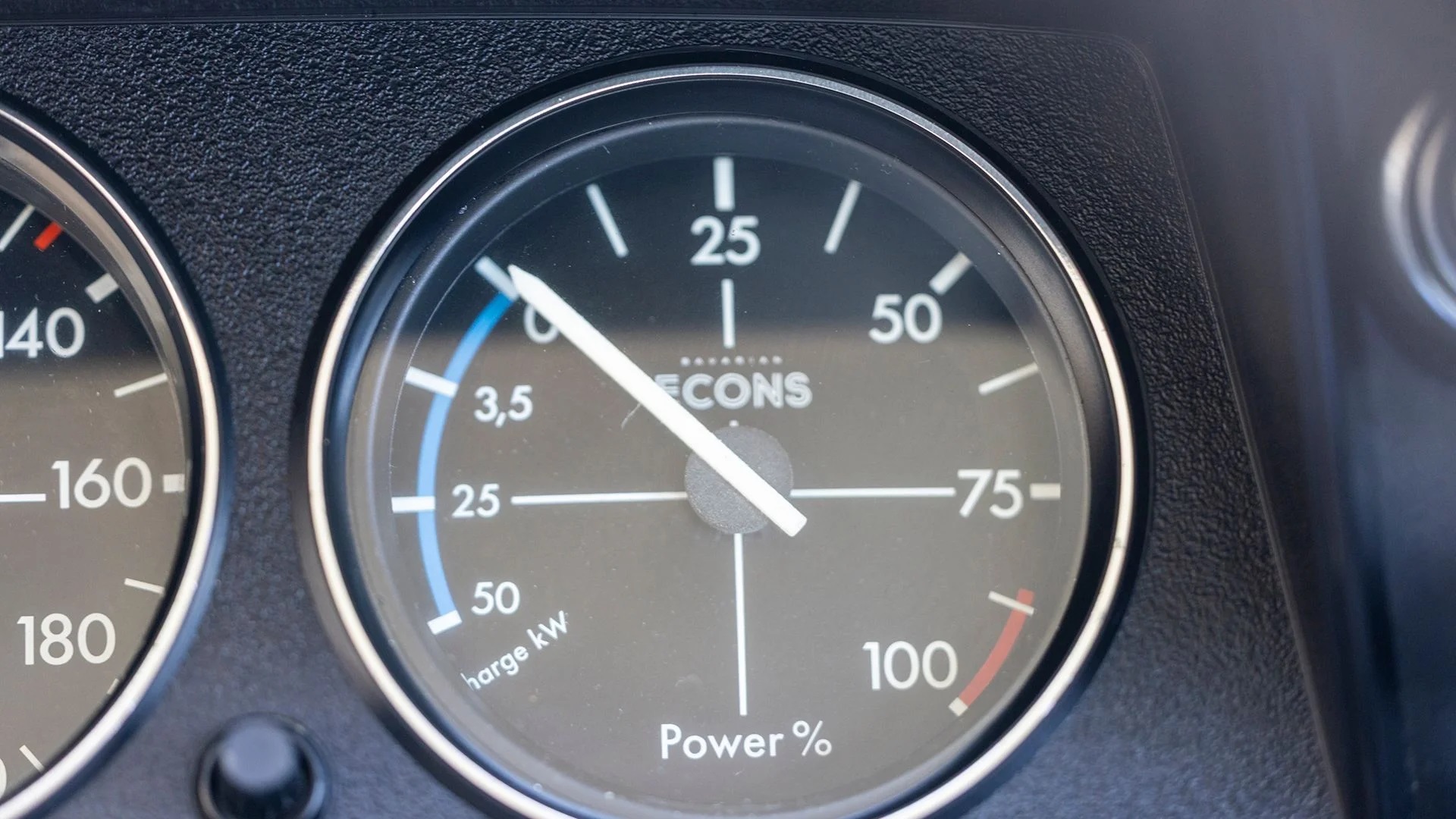
An analogue power gauge (replacing the tacho) and battery charge/temp gauges were styled to blend in with the other instrumentation. A hidden Bluetooth stereo head unit was also fitted, with output upgraded to eight speakers, including an under-dash subwoofer.
In early 2024, pricing for these conversions, excluding the donor car, was listed at €140,000 (AU$232,000 approx.) for the 2002te, jumping to a hefty €270,000 (AU$447,000 approx.) for the 2002 turbo e. How many customers Bavarian Econs have attracted with that pricing to date is unrecorded, but they do plan to offer a new range, based on the E30 3 Series in the future. These will apparently be more affordable than the E10 2002 models.
To Market and to Auction
Following its time on the show circuit and as Bavarian Econs’ press demonstrator, this 2002te was sold in 2025 to an enthusiast in Montana with a reported 1,500 miles covered since the EV conversion. Later that year, it was offered at auction via Bring A Trailer from a seller in Texas. Bidding went up to US$130,000 (AU$196,000 approx.) but failed to meet the reserve.
This March, the 2002te was listed with Broad Arrow Auctions as part of their Amelia Auction held in conjunction with Amelia Car Week in Florida. Retaining its Montana title, but offered with no reserve this time and a US$180,000-240,000 estimate, the EV BMW sold for US$84,000 (AU$120,000 approx.), which is quite the discount from the build price listed above.
The sale included tools, portable charging equipment, documents from Bavarian Econs, articles on the car in its EV form, the original owner’s manual and other period literature.
While the result from this auction suggests enthusiasts of classic BMWs aren’t quite ready to embrace an electrified version, the broader resistance to EV conversions of treasured cars is reducing. As Bavarian Econs have noted, such measures may be the only way to use and enjoy these cars in the future.
See more from this auction at: broadarrowauctions.com


