

Eighty years after building their first car, and fifteen years after production ended, Bristol is back. The niche British marque announced their return in September with a revival of their last production car, the Fighter. Five examples of this “unfinished chapter” in Bristol history will be built, with an all-new model possibly to follow.
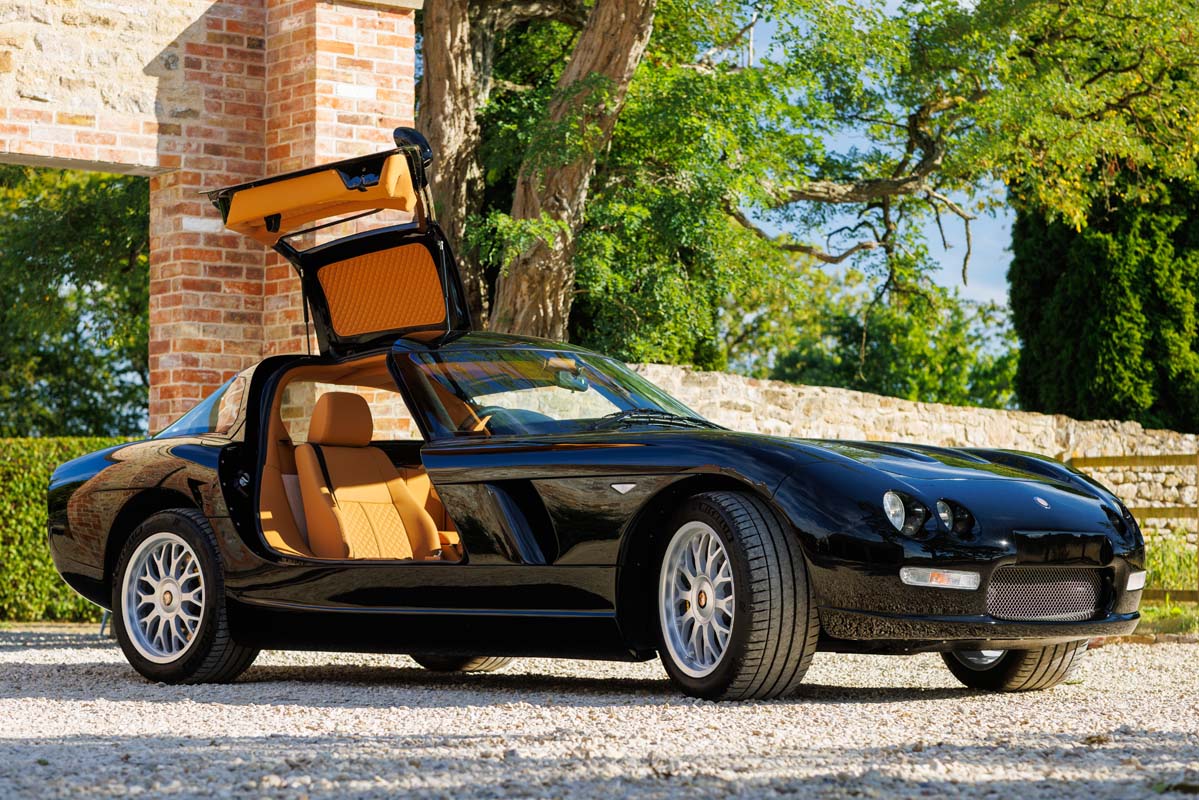
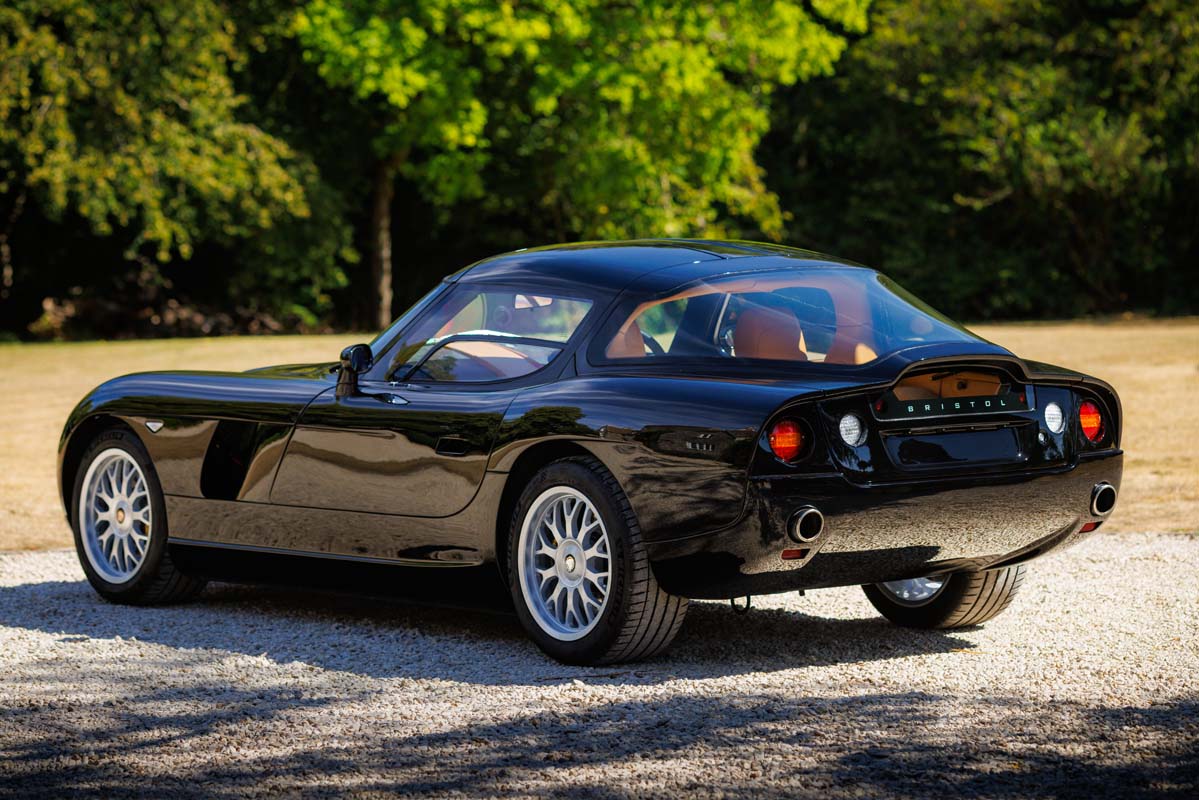
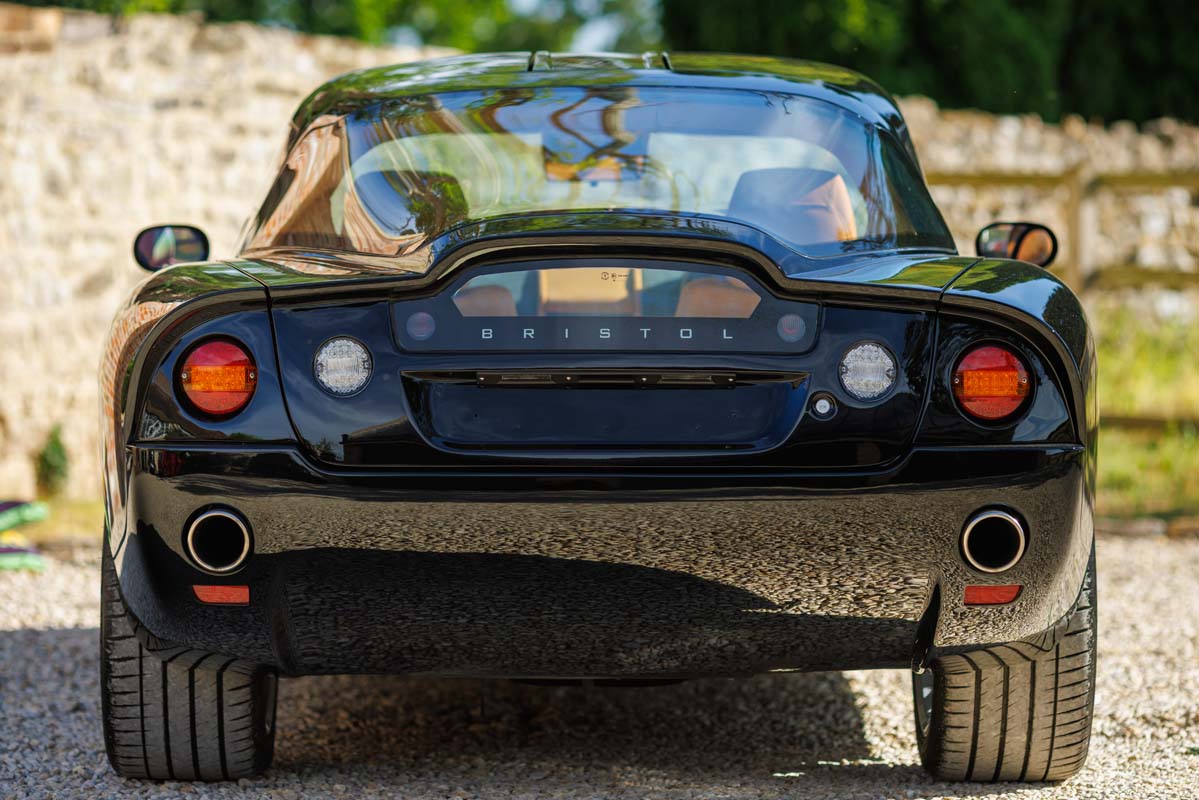
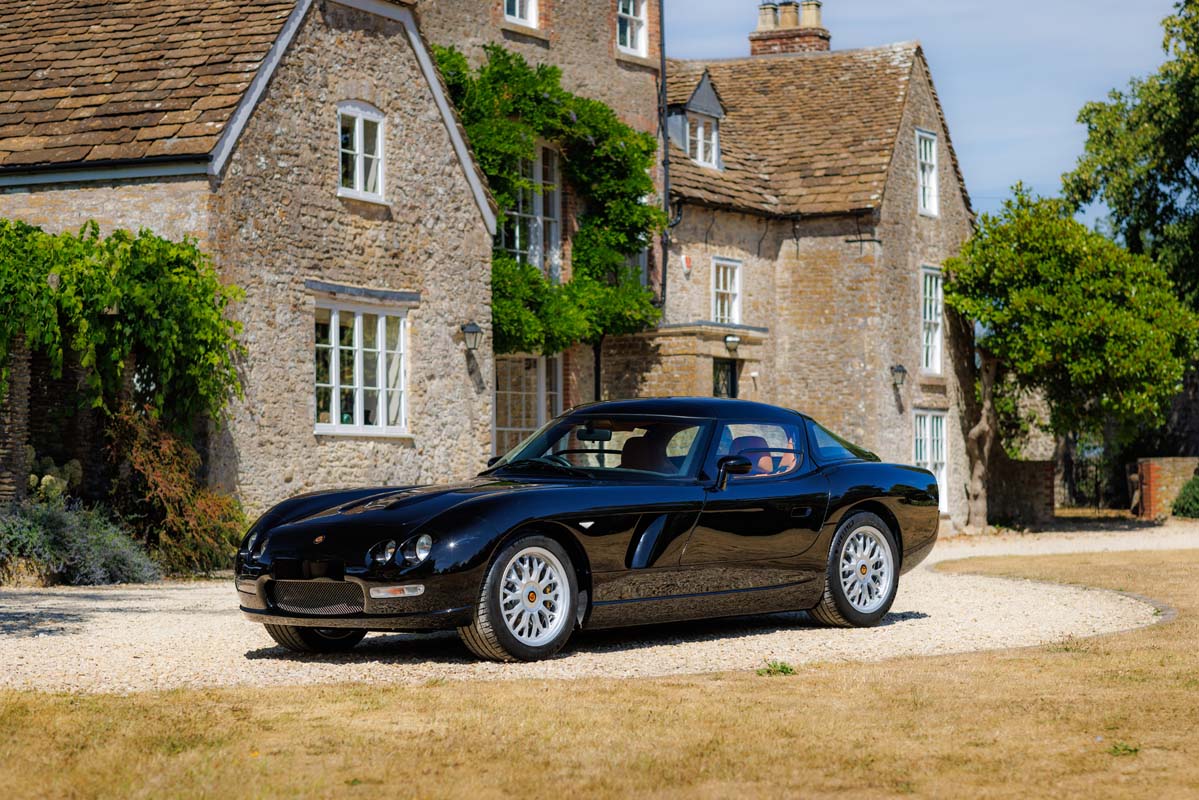
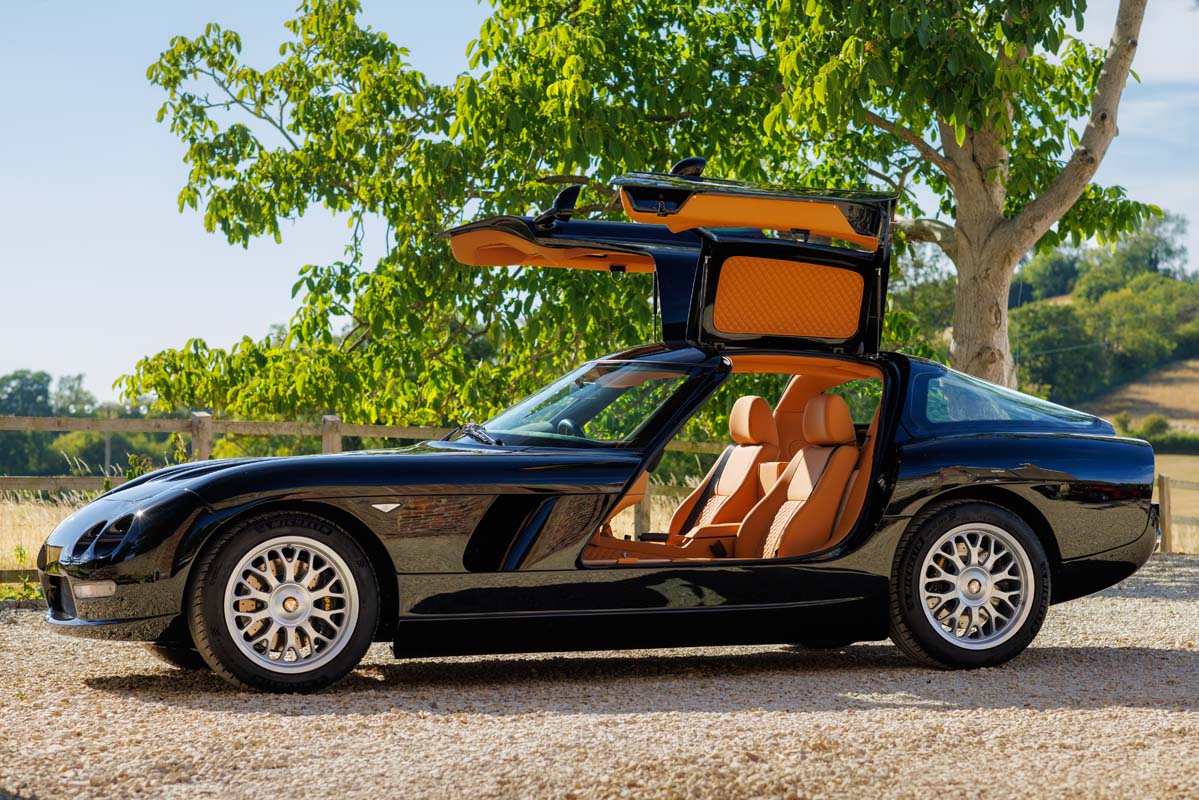
Presented at the Salon Privé concours in the UK, the first new Fighter since 2011 was built on an original, unused chassis, with assembly assisted by access to factory drawings. A further four Fighters will be built, also using original chassis and parts, with spec, colour and trim to customer preference.
Born from War
The original Bristol Cars was founded immediately after World War II, when the Bristol Aeroplane Co. added an automotive division (hence the ‘Cars’ suffix) to keep the company active in peacetime. Bristol’s initial cars, available from 1946, were based heavily on pre-war BMW models that the British firm had received as war reparations from Germany. BMW’s 2.0-litre six-cylinder engine, developed and improved by Bristol, would power their cars for the next fifteen years before V8s from Chrysler were introduced.
The first Bristol with an American engine was the 407 from 1961. By this time, Bristol Cars was independent of the parent aviation company. Short-loved alliances with Frazer-Nash and others had also dissolved. Sir George White and Bristol’s primary dealer in the UK, Tony Crook, took over the business in 1960, with Crook in sole control from 1973.
Production numbers under Crook’s ownership are difficult to confirm, but thought to be never more than a few hundred for each model, and sometimes only a few dozen. The main reason for this was Bristol’s high price. Significantly more expensive than a Jaguar or Aston Martin, Bristols were only fractionally cheaper than a Bentley or Rolls-Royce, but never had the same aura of prestige and luxury. Regardless, Bristol enjoyed a small but dedicated enthusiast market in the UK and abroad.
Death and Rebirth
In 1997, Crook sold a 50 per cent stake in Bristol Cars to Toby Silverton, but remained involved in the business, with the Speedster, Bullet and Blenheim all produced under his watch. As Bristol’s Managing Director, Crook also oversaw the development and release of the Fighter that went to market in 2004.
Following Crook’s retirement in 2007, Bristol Cars went into administration in 2011. The new owners, Kamkorp, intended to resume production with a new model. This was announced in 2015, with a running prototype presented in 2016 as the ‘Bristol Bullet,’ but production never went ahead.
Bristol Cars were declared insolvent in 2020, with the Kamkorp connection ending in 2022, after which a dispute over rights to the Bristol name and IP extended into 2026. The new Bristol Cars, led by Paul King as Director, is something of a “getting the band back together” venture, with Richard Hackett, an assistant to Tony Crook during the original Fighter era, joining the business as Chairman.
Original Fighter
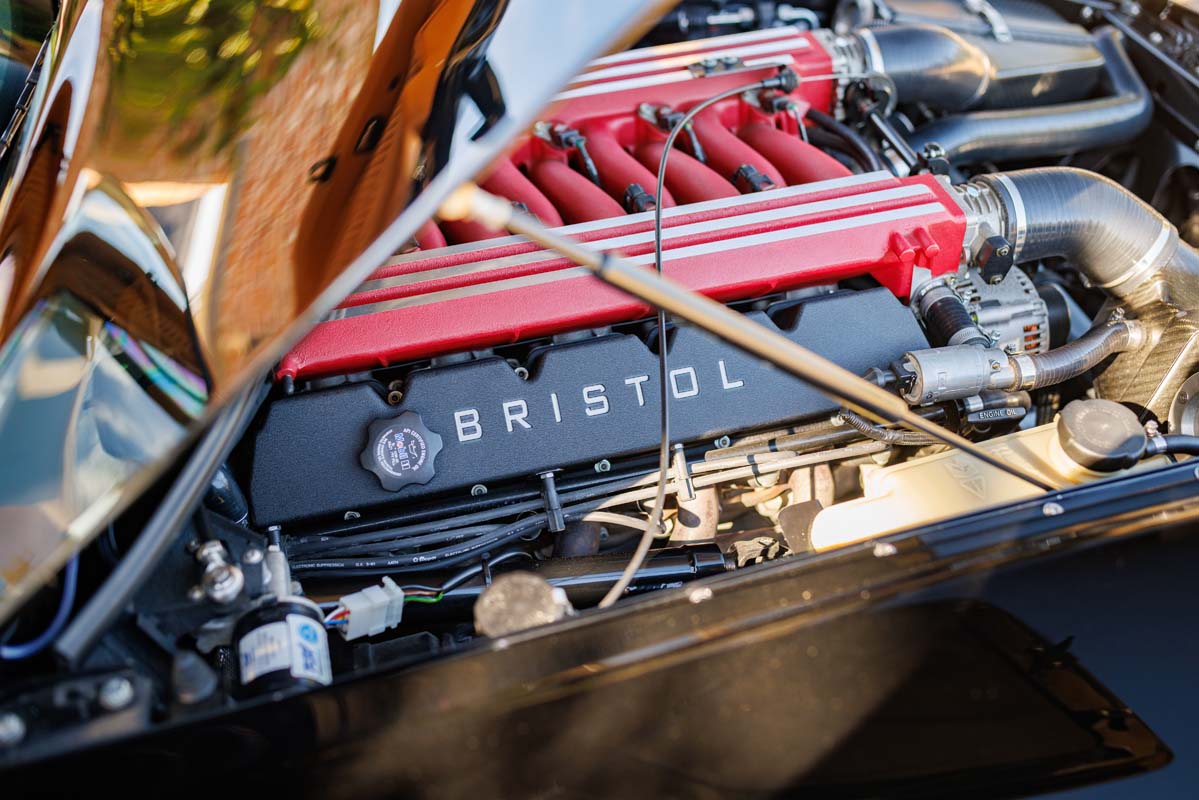
Straddling the line between GT and supercar, the Fighter from 2004 was defined by gullwing doors and a modified version of the 8.0-litre V10 used in the Dodge Viper. This was matched to a six-speed manual or four-speed automatic transmission with rear-wheel drive. Initially capable of 391kW, 712Nm and a top speed in excess of 300km/h, developments of this engine, including turbocharging, kicked power up to 447kW and top speed to 330+km/h.
As with previous Bristols, production numbers for the Fighter are unknown, but speculated to be somewhere between 12 and 20 before the last example was completed in 2011.
New Fighter
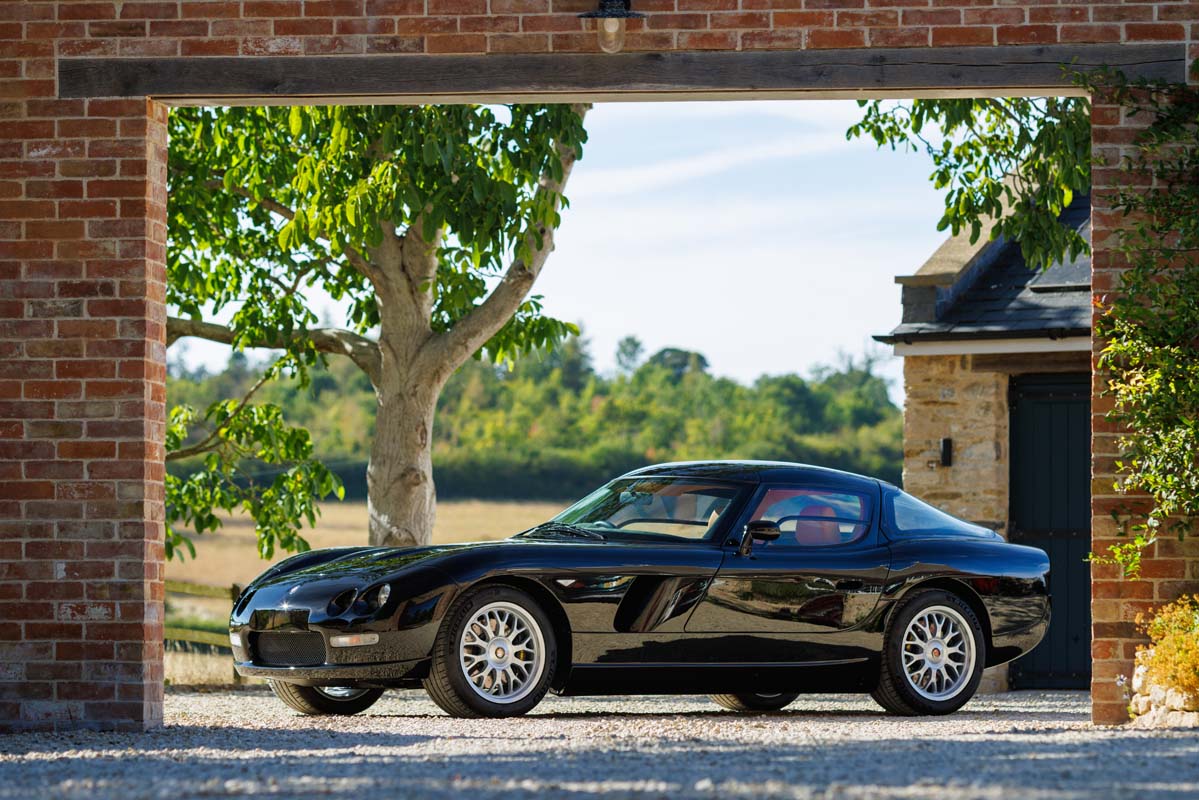
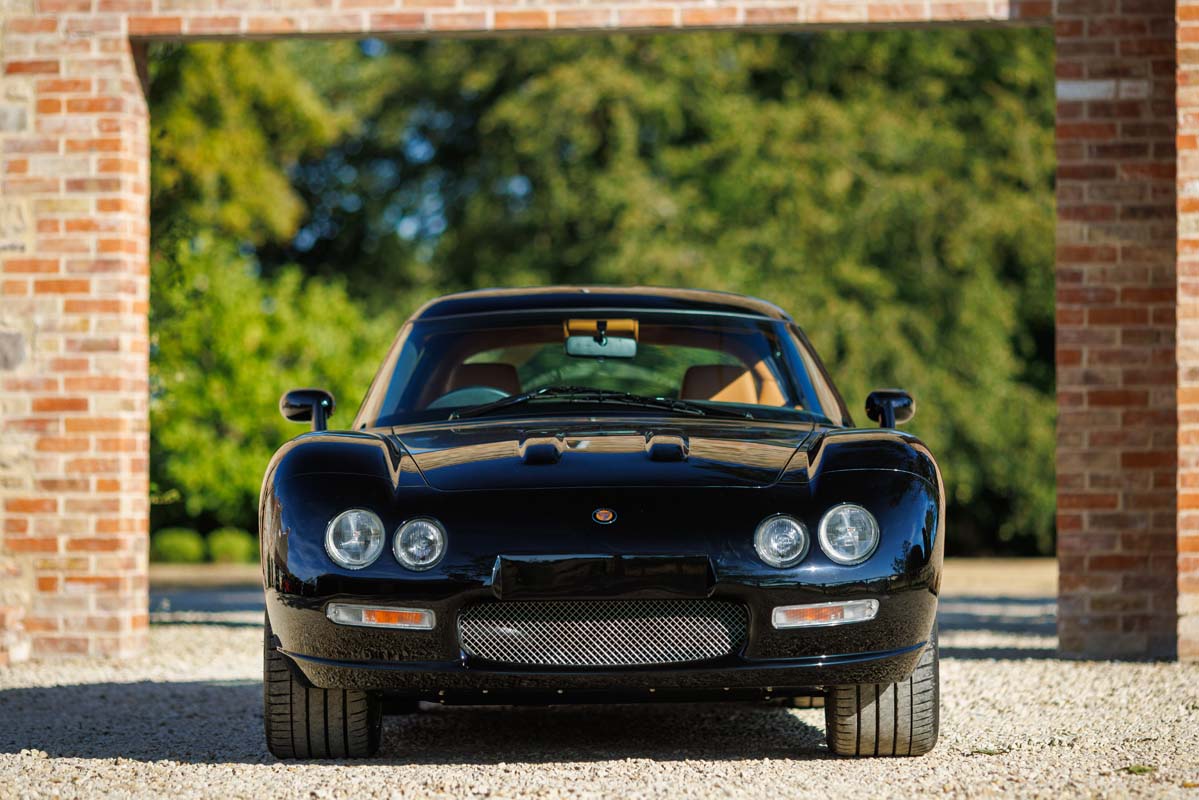
As they’re using original chassis, the new Fighters to be built by Bristol Cars won’t deviate too far from the 2004-11 version. Based on the unit presented at Salon Privé, they’ll all look the same as the original, too, but may feature some modern tech inside and other improvements.
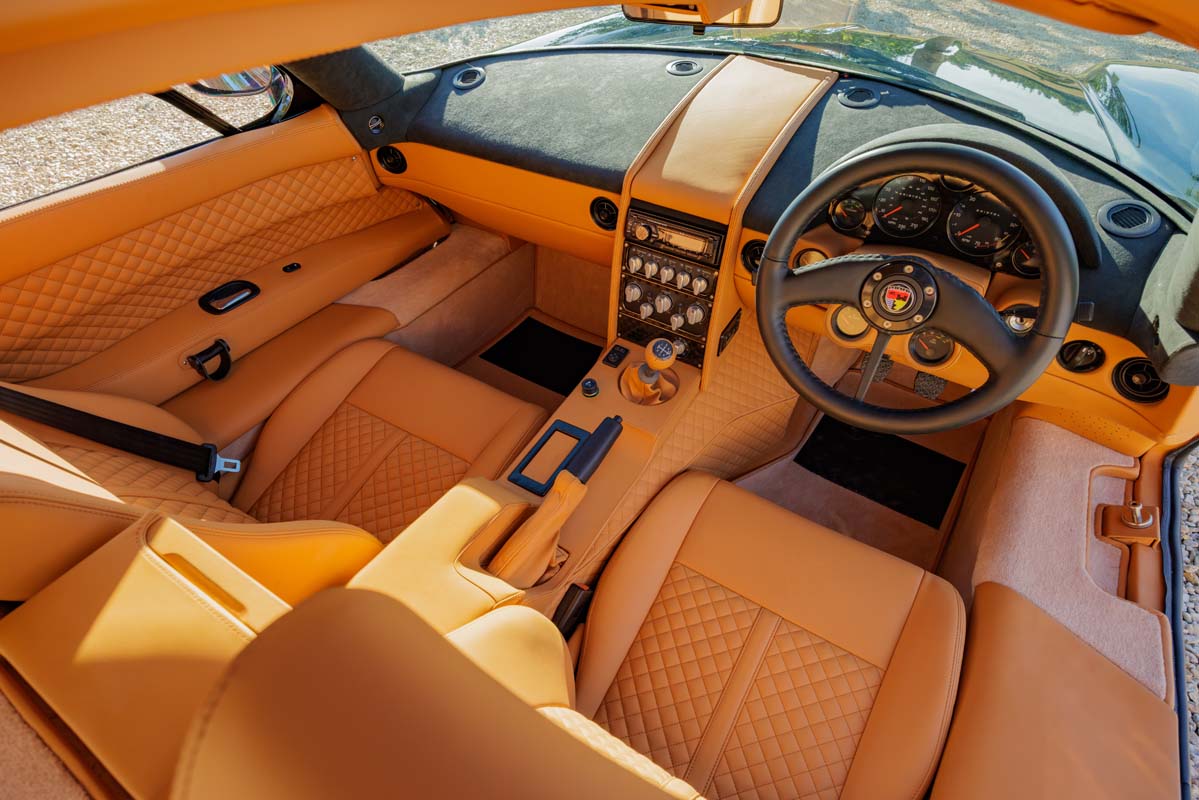
Mechanical specs for the new cars have yet to be revealed, but will presumably mirror that of the first Fighters, with V10 engines, a choice of manual or automatic transmissions and a largely analogue driving experience. Interiors, based on the example presented, will be sumptuously appointed, with acres of leather, plush carpeting and sports seats, but analogue gauges and tactile switchgear.
Like the originals, these new Fighters will be hand-built, in partnership with a “leading” British company experienced in engineering, craftsmanship and low-volume manufacturing. The remaining four cars will be available in LHD or RHD to suit different markets.
Bristol Cars describe the new Fighter as more than the revival of an individual model; they will complete an unfinished programme, reconnect the marque with its history and establish the first chapter of Bristol’s return.
More to Come
When the remaining four Fighters will be built is yet to be revealed, but Paul King says the revived Bristol Cars won’t conclude with their completion.
“Bringing Bristol Cars back is about far more than reviving a name; it is about bringing back the spirit of a marque that has always stood apart,” King explained. “To bring Bristol back to making cars in Britain, and with Richard Hackett returning to the company, we have brought together an exceptional combination of heritage, knowledge, engineering and craftsmanship.
“This is the beginning of Bristol’s return, and there is much more to come.”
Richard Hackett added: “To return as Chairman, particularly in Bristol’s 80th anniversary year, is a tremendous privilege. This is an opportunity to respect everything that made Bristol special while giving the marque a future.”


