

Words: Mike Ryan
Photos: Courtesy of Seller
The old saying of ‘There’s no substitute for cubic inches’ usually holds true – especially in motorsport. But sometimes, a smaller, lighter and nimbler car can beat a larger, heavier and more powerful rival. In the case of the Torana, it proved to be Holden’s David to Ford’s Goliath.
There’s no denying that Ford’s V8-powered Falcon GT was a gamechanger in Australian motorsport. The XR GT set the template for Touring Car racing in Australia after winning the 1967 Bathurst 500. Holden responded with the HK Monaro, which launched in 1968 and won the Mount Panorama enduro in the same year.
Despite going back-to-back at Bathurst in 1969 with the HT Monaro GTS 350, some at Holden disagreed that ever larger and heavier cars were the path to success. Chief among those dissenters was Harry Firth, who had joined GM-H in June, 1969, after being replaced as Ford’s head of racing operations by Al Turner. The timing of Firth’s arrival at Holden left little opportunity to impact the 1969 Bathurst program, but even then, the wily veteran of Australian motorsport could see more potential in the Torana than the Monaro as the main weapon in the ‘Holden Dealer Team’.
Aussie Influence
While the first Torana debuted in 1967, its origins go back years earlier. Holden had never built a four-cylinder model, but by the early 1960s, it was apparent that the market was looking for cars that were smaller, lighter and more economical. The Mini was building a following, with the first Japanese cars to reach Aussie shores finding market share, too.
GM-H were bringing in four-cylinder Vauxhall Victors, but these were considered too big to meet the growing small car market, so Vauxhall’s ‘HA’ Viva was introduced in early 1964. A half dozen of the new Vivas were entered at Bathurst that year, and while they easily won their class (still based on retail price back then), they were no match to the Cortina GTs developed by Harry Firth that took the outright win.
The ‘HB’ Viva that followed in 1967 was rebadged as ‘Torana’ for our market and featured more local content, but looked identical to its English sibling. The Viva's 64.5ci (1.1-litre) four-cylinder engine was increased to 70.7ci (1.2 litres) with the HB, but even this was underpowered, leading Holden to introduce a ‘Series 70’ engine that was of the same capacity but offered an additional 13hp (9.7kW). A special ‘Brabham Torana’ version of the HB offered even more power but couldn’t match the Cortina GT or Mini Cooper S for pace.
Neither the HA Viva or HB Torana seriously moved the needle for Holden in the small car market, but the next car to wear the Torana badge did.
Enter the LC
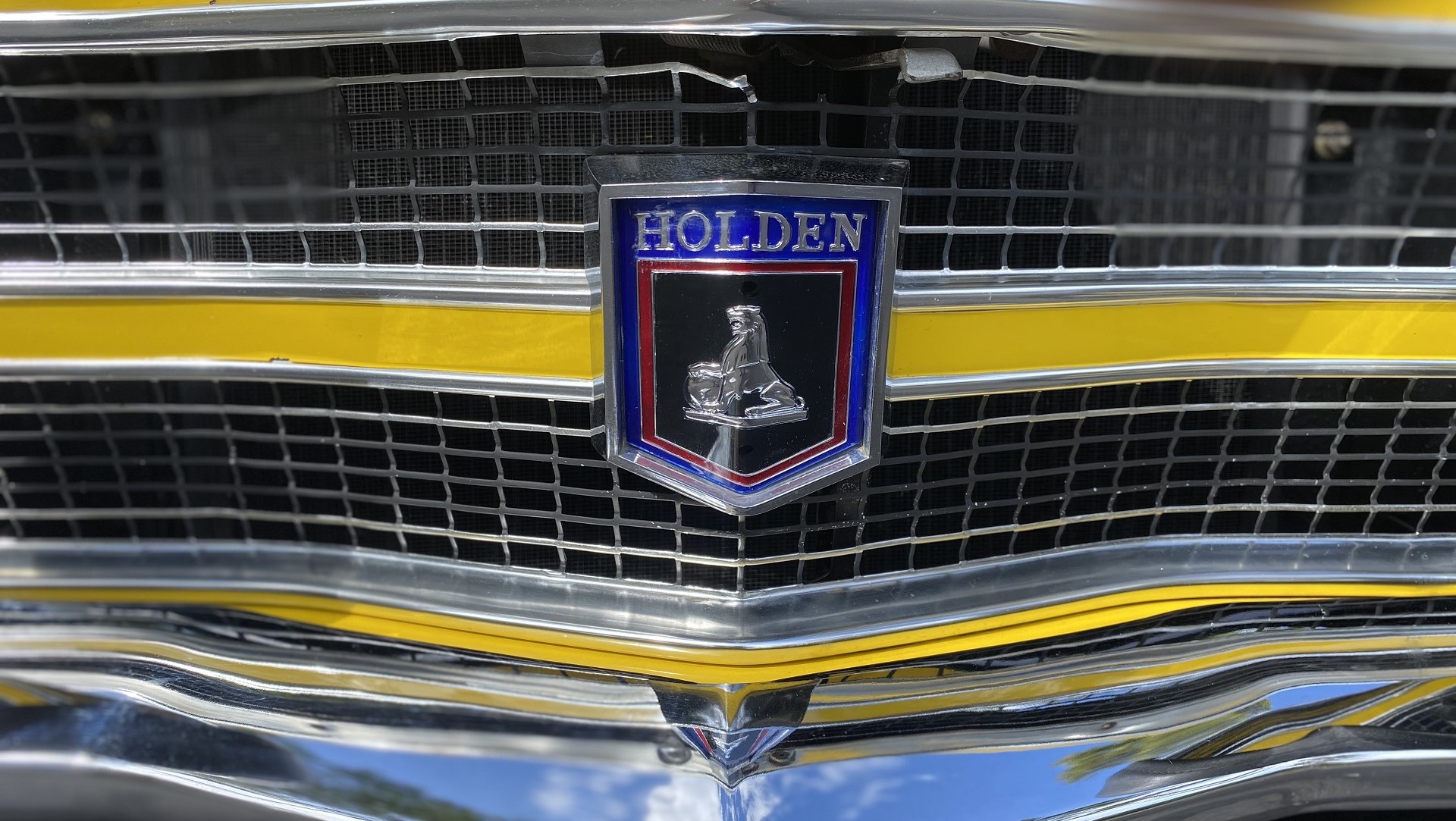
A much more Australian effort than the previous HA and HB, the all-new ‘LC’ Torana launched in October, 1969. This third-generation small Holden was still designed to feed the four-cylinder market, but GM-H had engineered the LC to also take an inline six-cylinder of the same type used in the large Holdens. This was achieved by a longer wheelbase and specific sheetmetal ahead of the firewall. A vee-shaped peak in the nose, and grille trim that wrapped around the front guards was the easiest way to pick a six-cylinder LC Torana against the four-cylinder version.
The engines offered were 138ci (2260cc) and 161ci (2638cc) sixes, and the carryover 70.7ci fours. A performance version of the LC Torana - the GTR – boasted a hotter ‘161S’ version of the 161ci engine that used parts from the larger 186 six, plus other mods, to increase output by around 10 per cent.
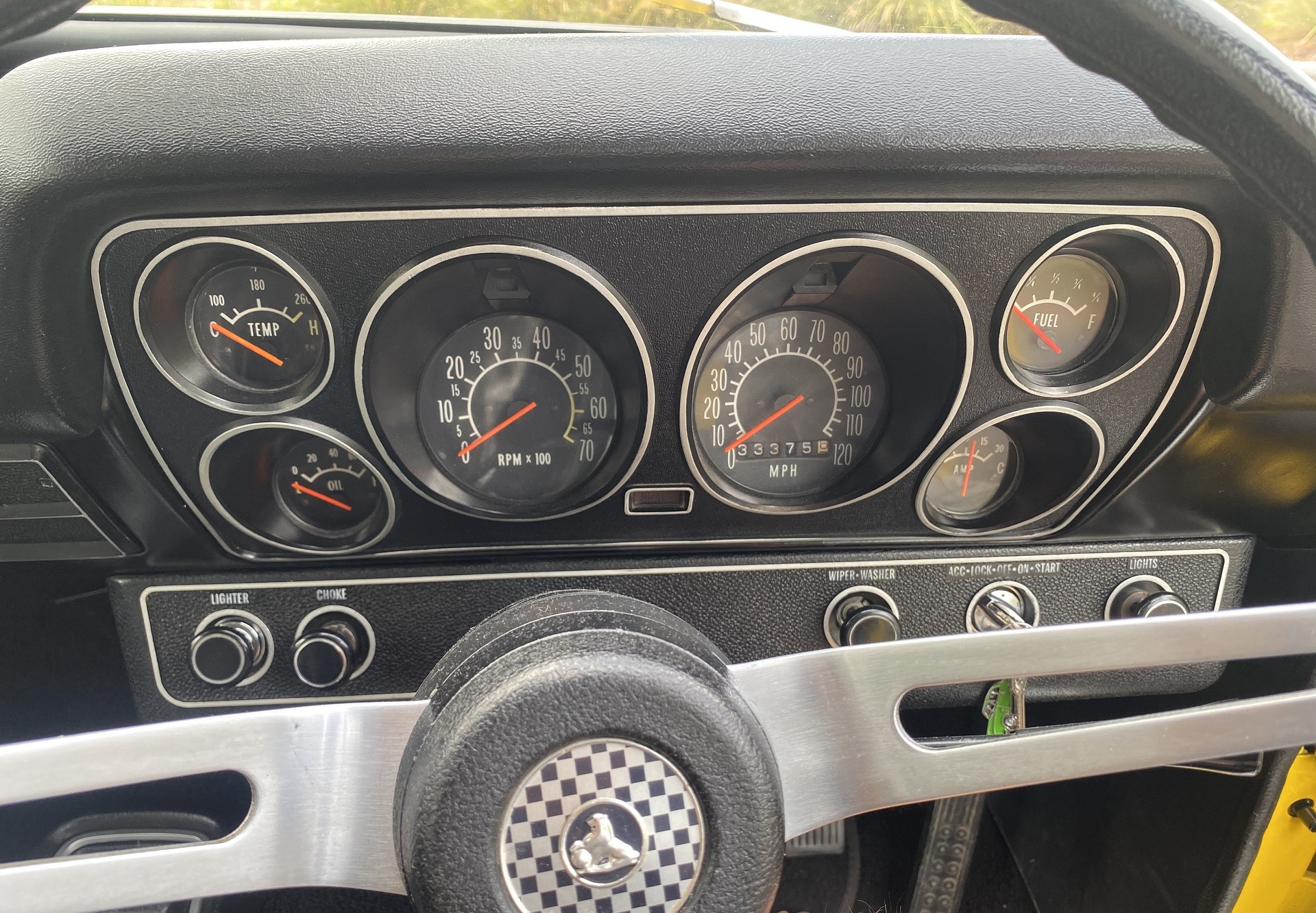
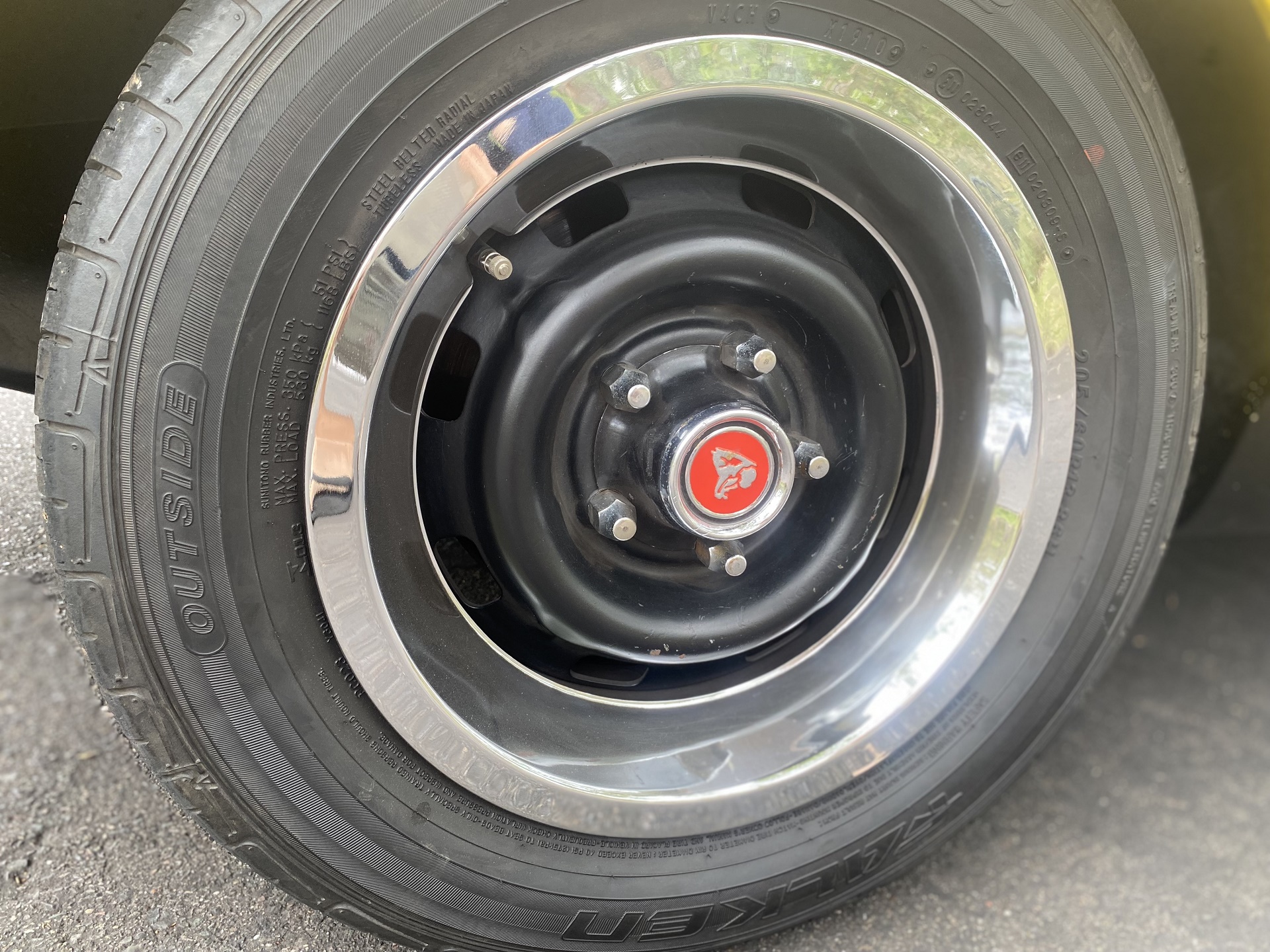
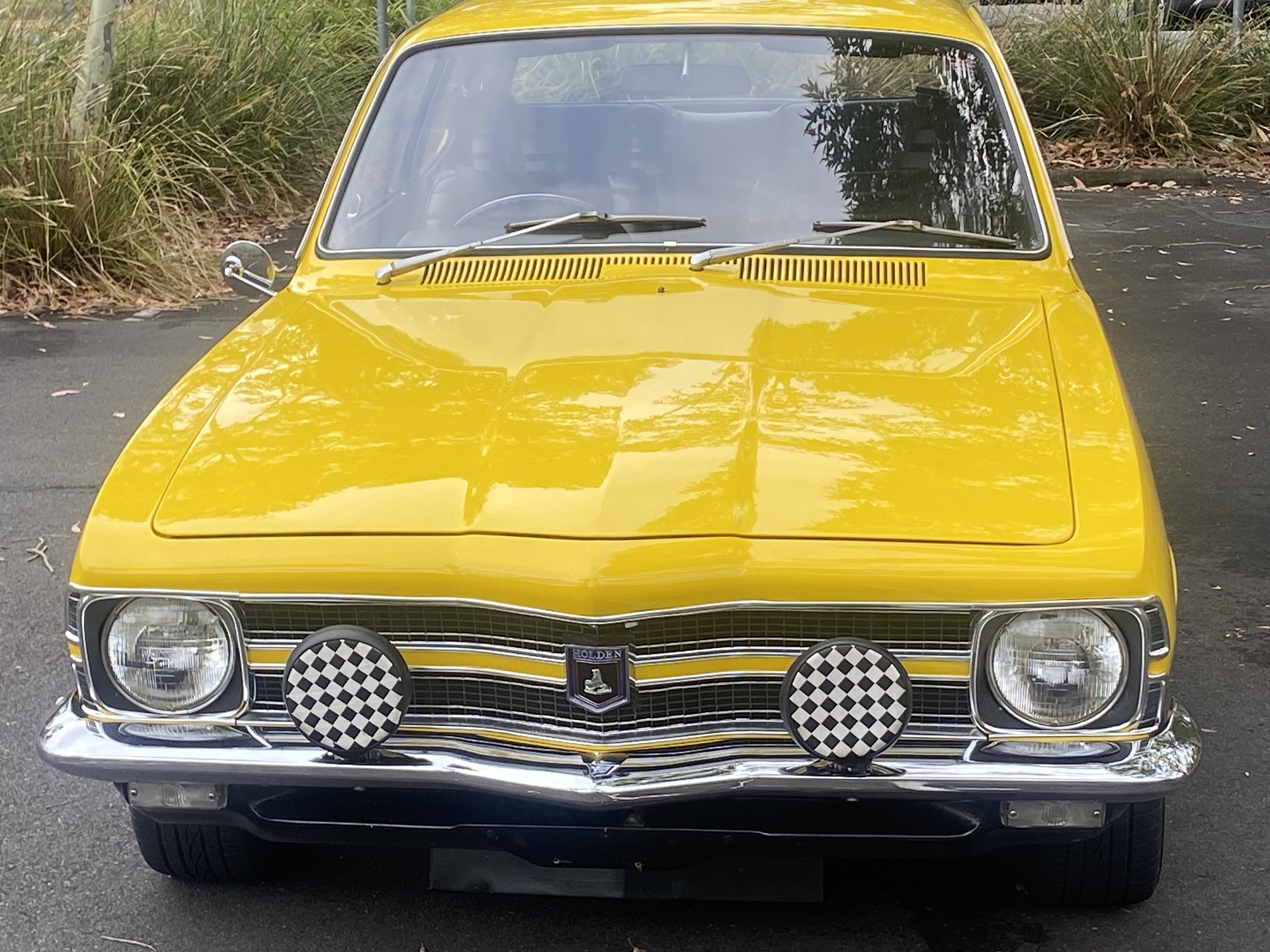
Only available with a four-speed manual and in the two-door body style, the GTR also came with disc front brakes and stiffer suspension as standard. It was identified by ‘rally’ wheels and wider tyres, vented front guards, narrow striping on the waistline, blacked out side window trim, and GTR badges on the grille and rear quarters. Inside, GTR badges were added to the doorcards, with a model-specific steering wheel and seat trim, plus full instrumentation.
Firth Makes More
As good as the LC Torana GTR was, it was still fairly mild in terms of performance. Harry Firth could see the potential in fitting an entire 186 into the car, rather than just some of its parts. He had a hunch that the 186, along with other tweaks, would make the Torana superior in terms of power-to-weight ratio to the Monaro 350, in turn threatening the big Falcon GTs while being lighter and more economical on fuel. The latter point didn’t matter in day-to-day driving, or on most race circuits, but would come into its own at Bathurst.
Under the internal code of ‘XU-1’ that would eventually be applied to the car itself, work began in late 1969 on making a hotted-up 186 engine and other performance parts work in the GTR.
By the start of 1970, a 186-equipped LC GTR had been built by Firth and the Holden Dealer Team mechanics. This proved to equal or better the lap times of Monaros and Falcons at several circuits. Durability testing included campaigning the same car in rallying, rallycross and Sports Sedan circuit racing. These produced similarly positive results.
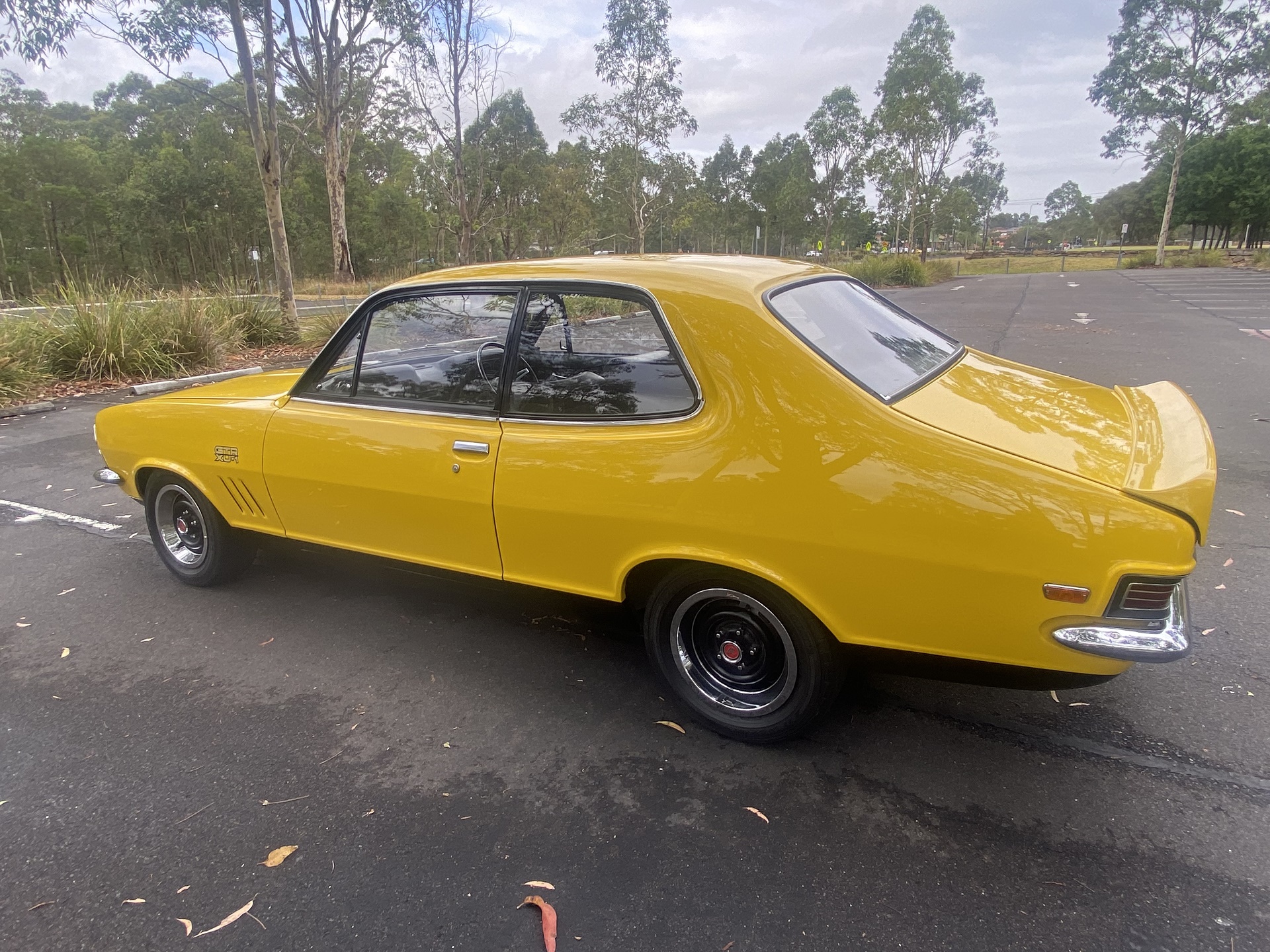
As GM-H wasn’t officially in the business of building race cars at the time, Firth had to fight to get the parts he considered essential for Bathurst success into production. These included front and rear spoilers that were described as ‘wind deflectors’ to placate the management at GM-H.
The nose-heavy nature of the six-cylinder Torana compared to the four-cylinder version also presented challenges - that would be amplified in racing – that required suspension modifications. Ultimately, by the middle of 1970, the GTR XU-1 package had been completed and was launched in July. GM-H described it a model for “motoring enthusiasts” and committed to building 700 examples initially, with more should demand arise.
An Outstanding Standout
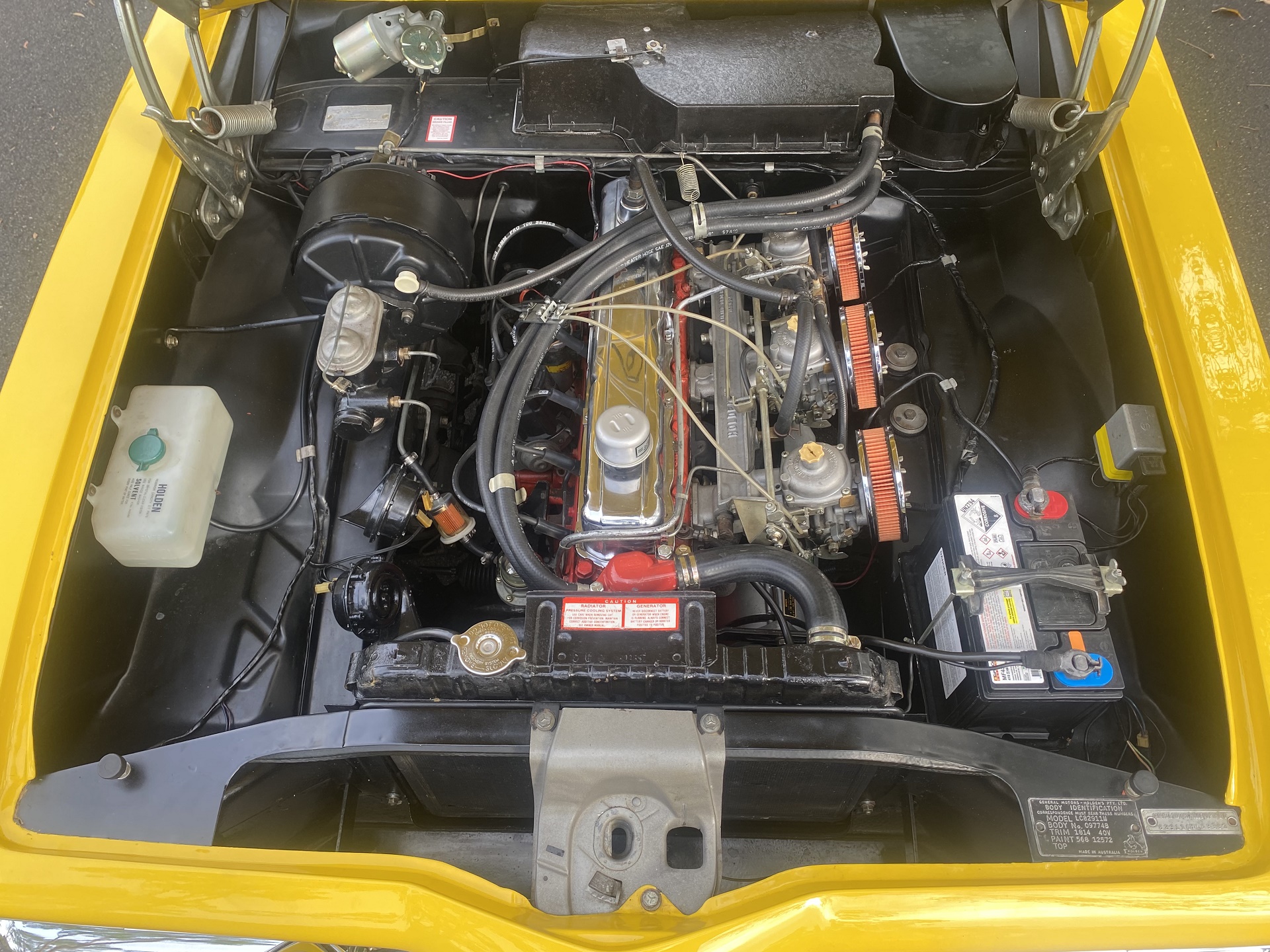
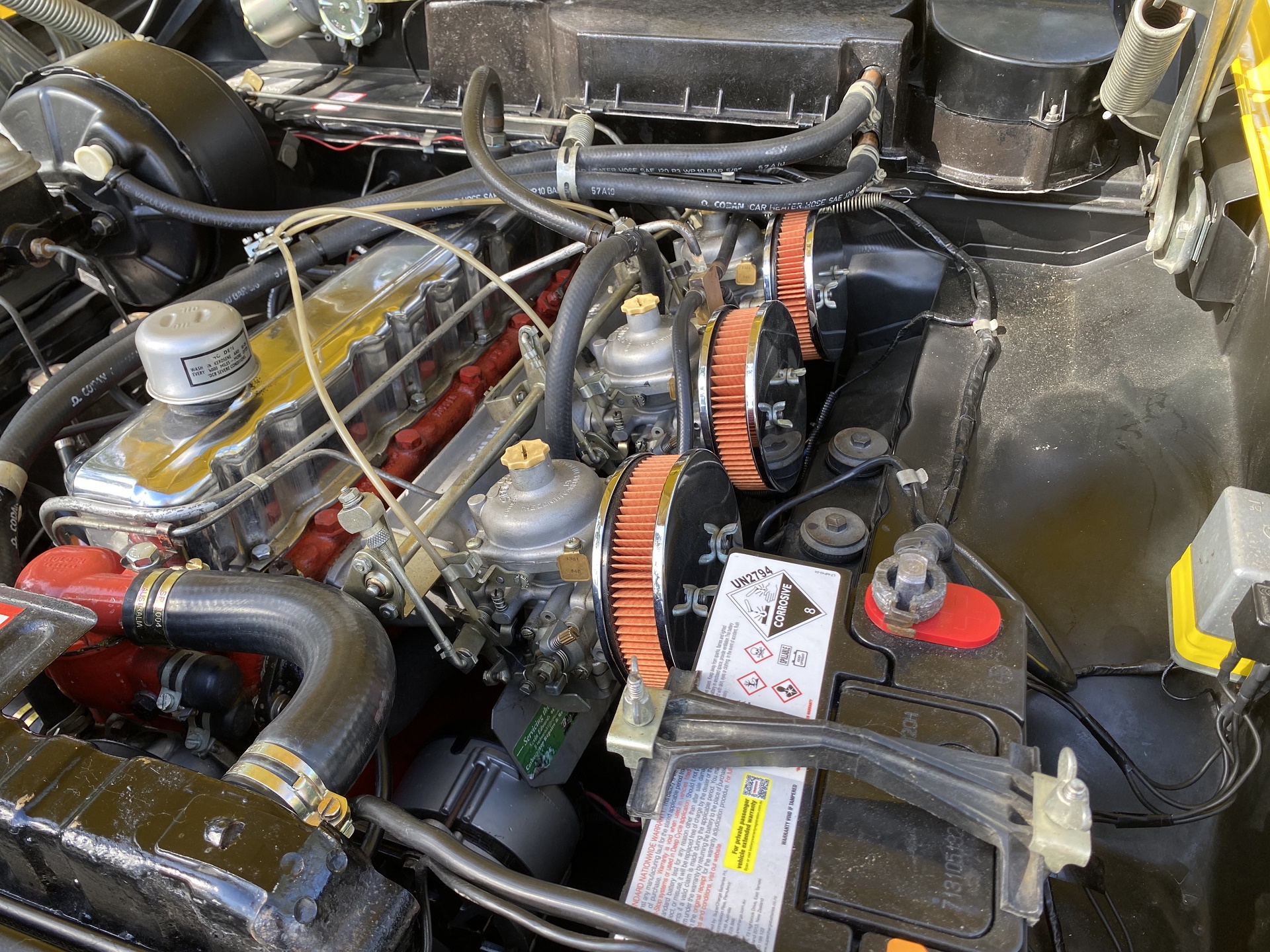
Defining the GTR XU-1 was a 186ci (3048cc) six-cylinder identified as the ‘186S’. This used a new hydraulic camshaft with a specific profile, plus a modified version of the 161 head, with smaller combustion chambers, but larger valves and stronger valve springs. A model-specific inlet manifold mounted three Stromberg sidedraught carburettors with individual air filters, and throttle linkages modified to suit.
A larger diameter exhaust system was fitted and the radiator’s cooling capacity increased. Specifically with Bathurst in mind, a 17-gallon (77-litre) fuel tank was also fitted - the GTR only ran a 10-gallon (45-litre) tank.
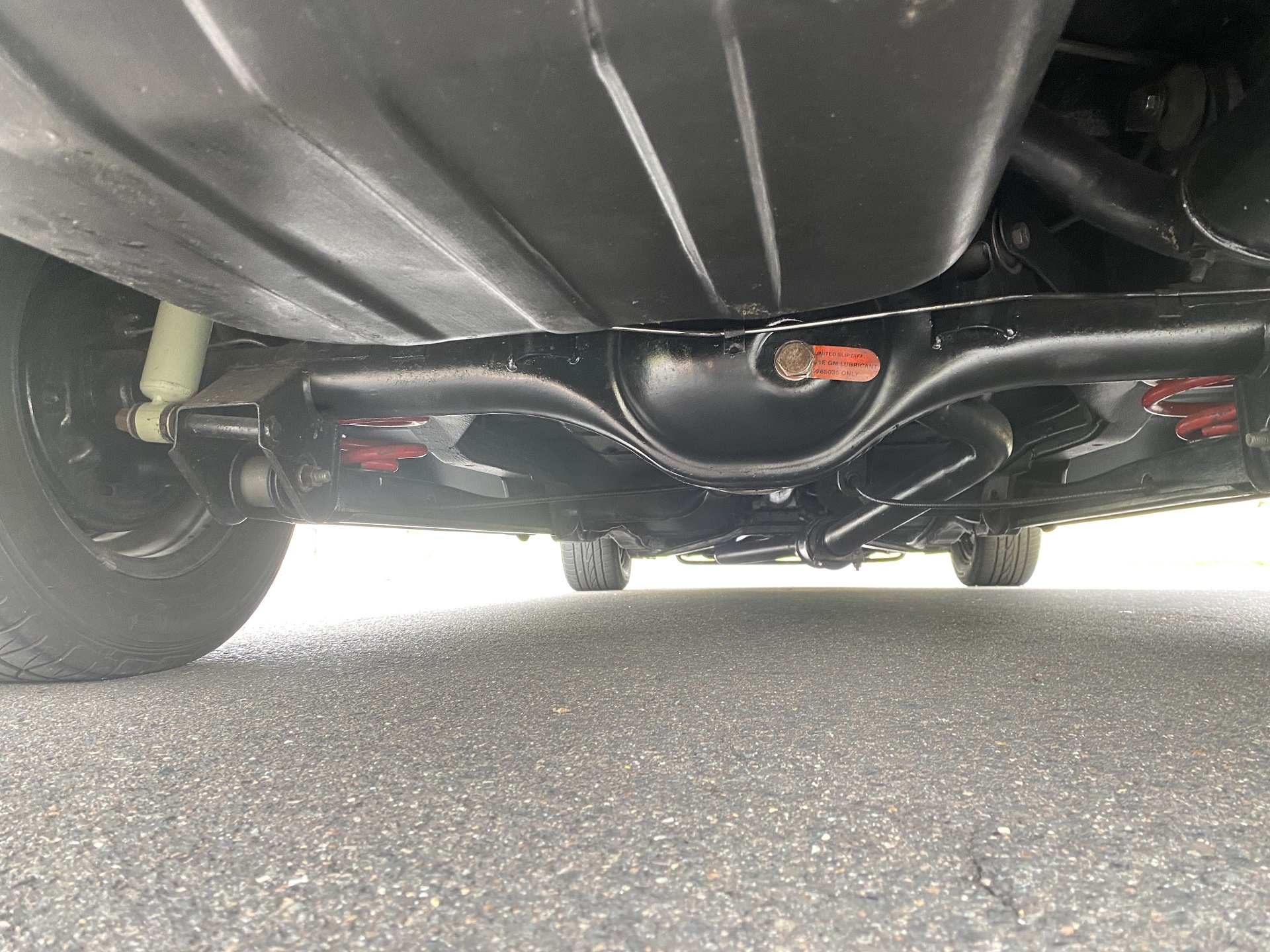
The engine package produced 160hp and 190lb/ft (119kW and 257Nm), and while a limited slip diff with two ratio options was available, the Opel-sourced four-speed manual gearbox from the GTR remained unchanged initially.
Suspension modifications included lowering the front end’s upper control arm mounting point, while using a smaller-sized battery and tray from the four-cylinder Torana played a part in reducing front-end weight. Brake discs were thickened, and the dust shields removed to improve cooling.
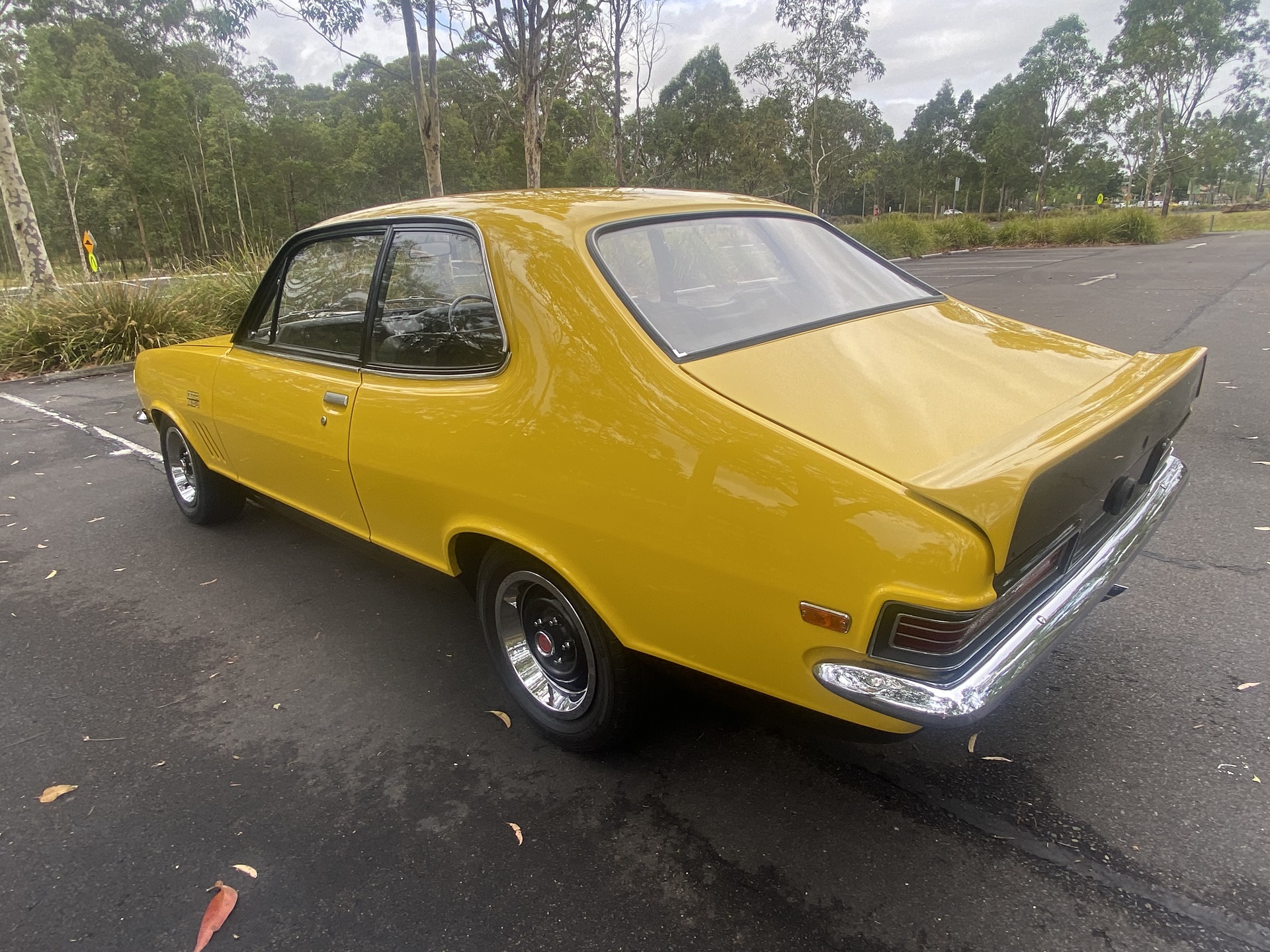
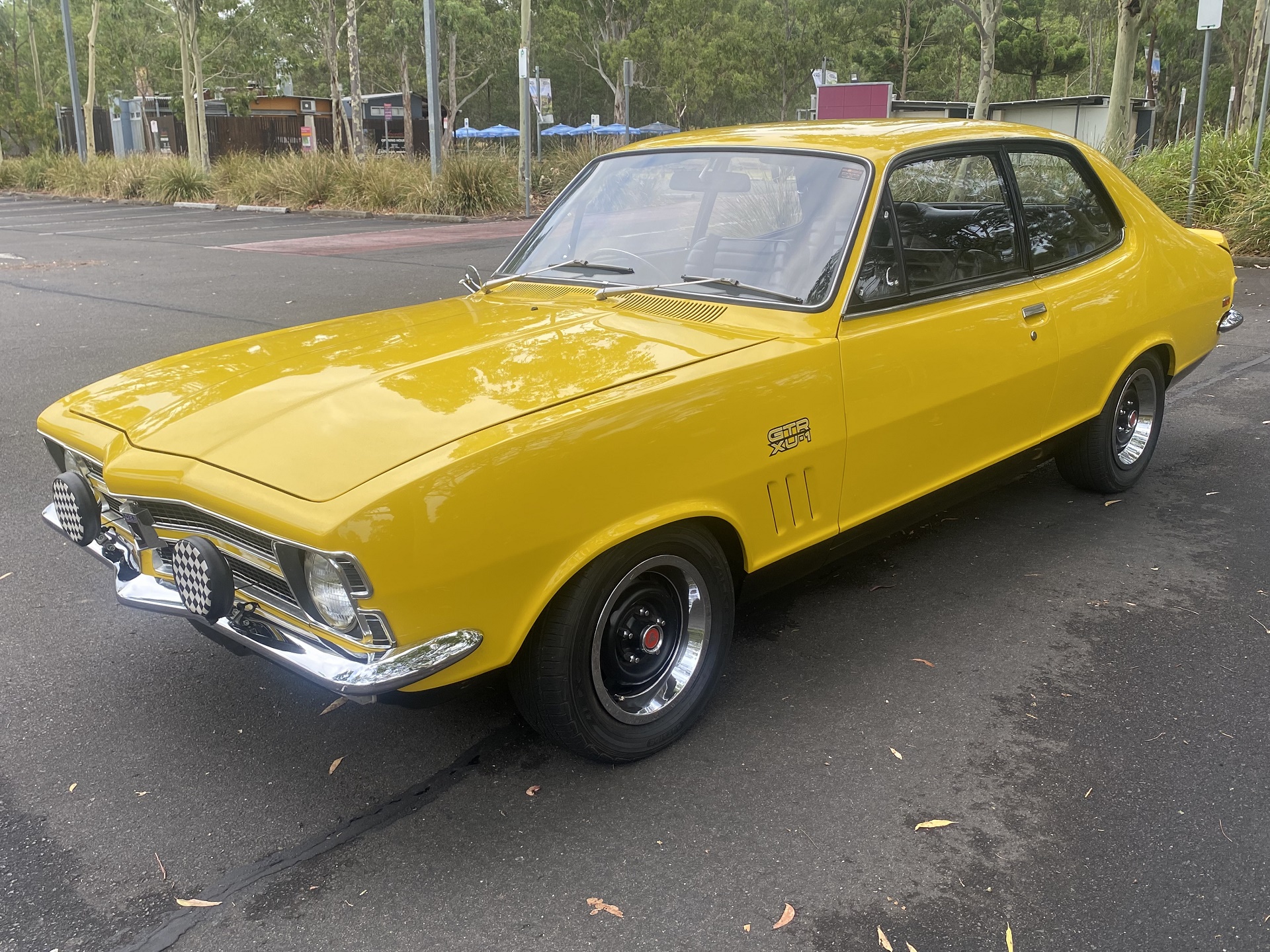
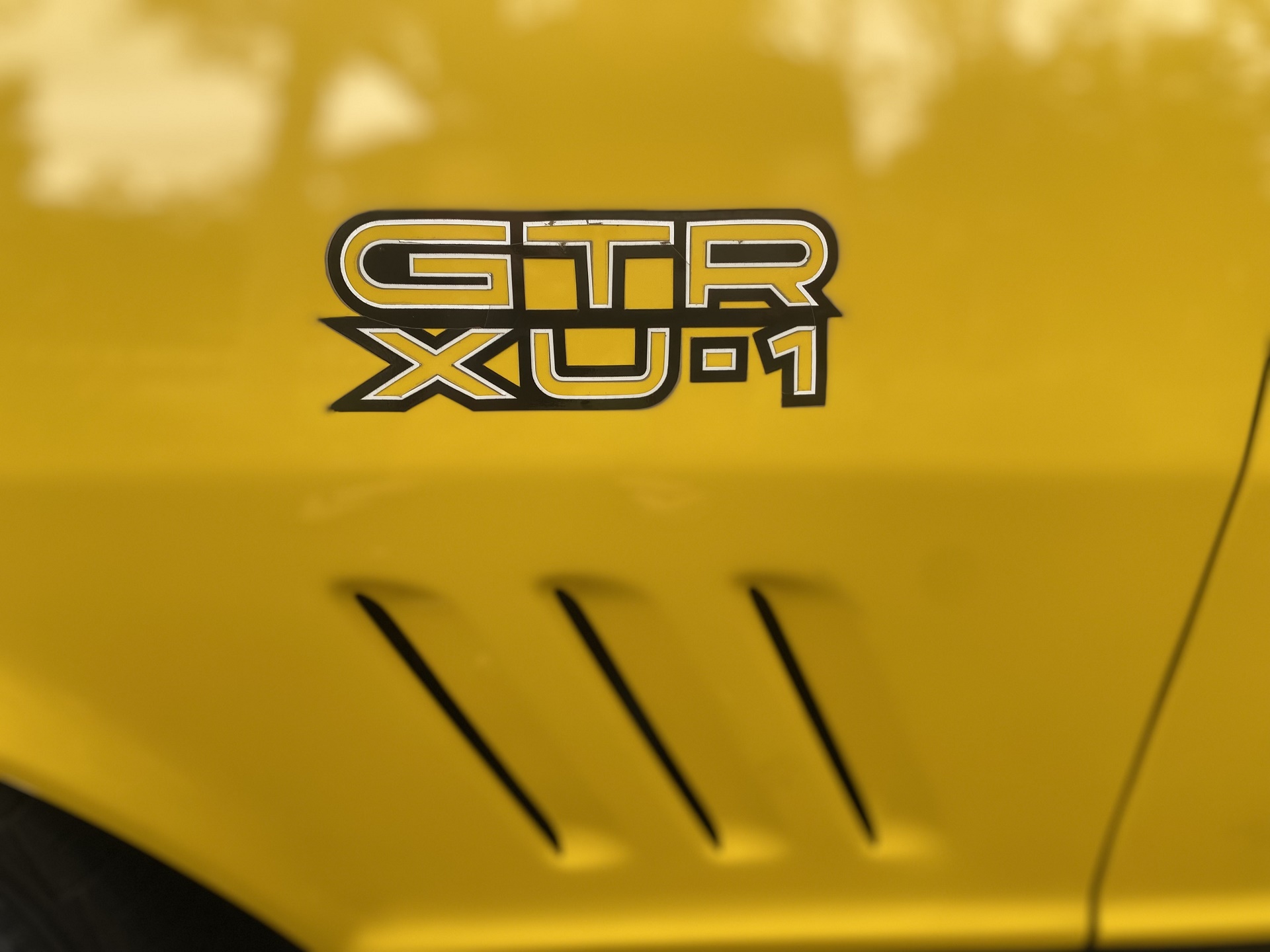
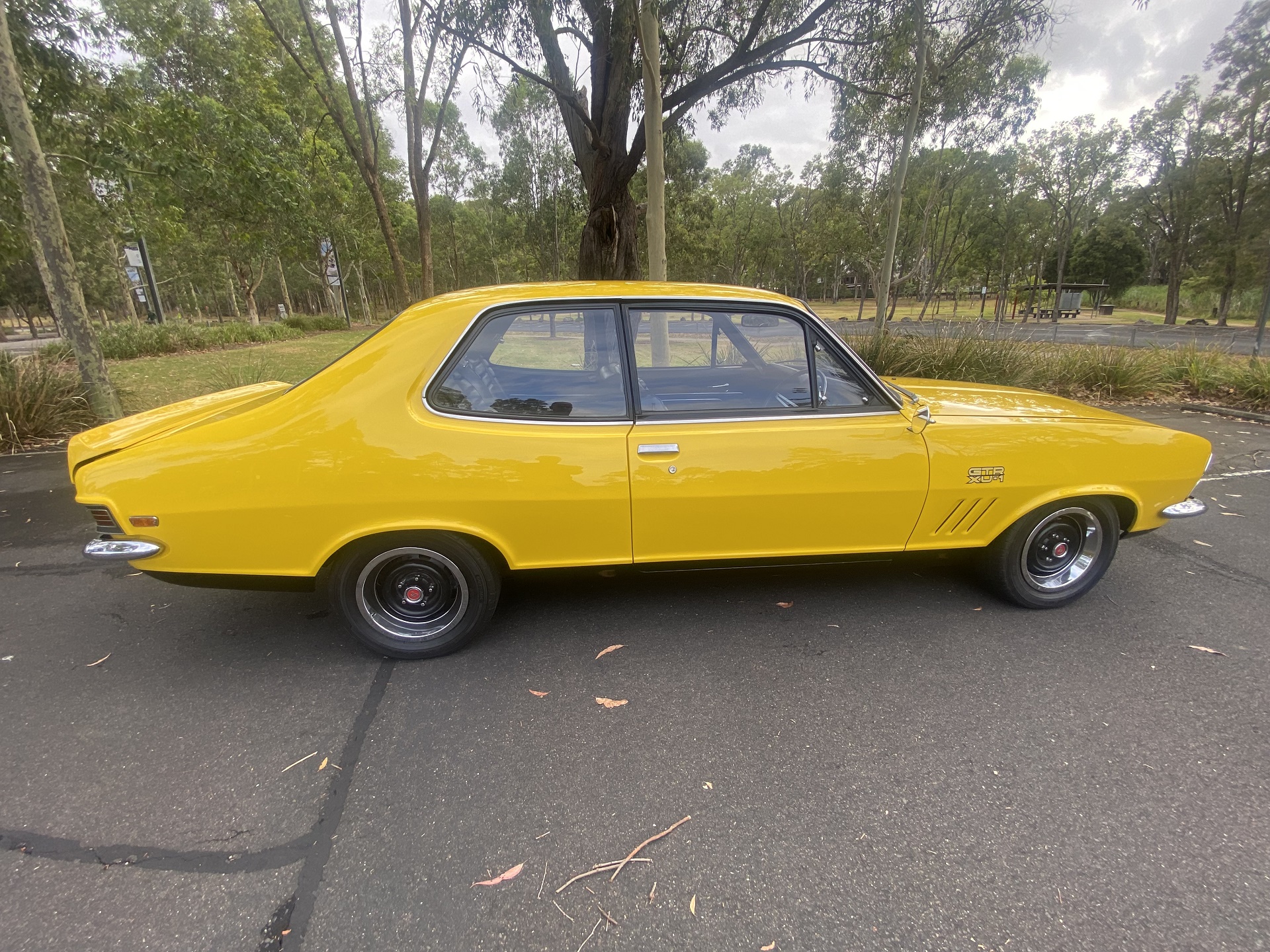
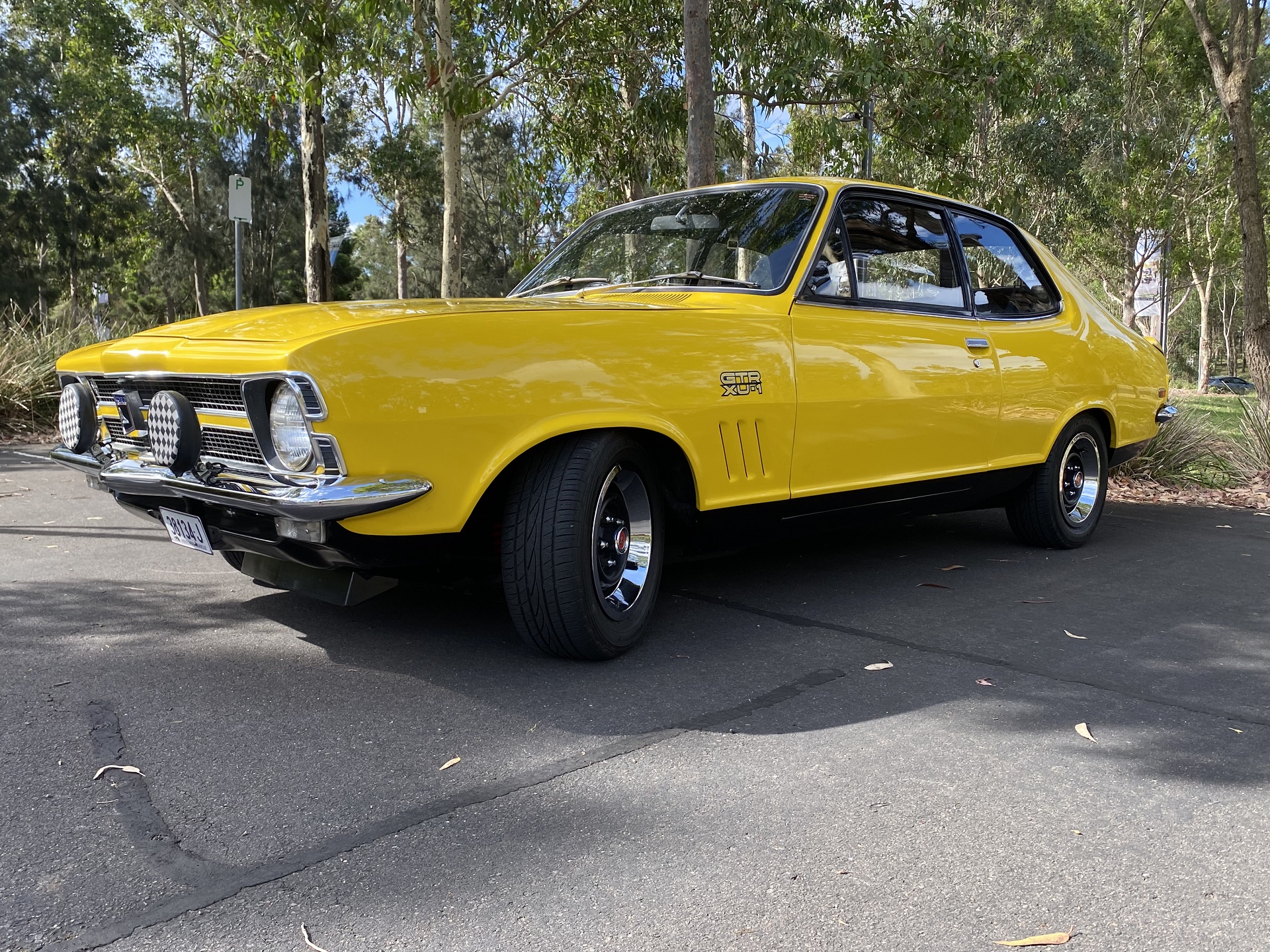
The aforementioned front and rear spoilers were unique to the GTR XU-1, as were the paint options for the first batch of 700 cars. These were Rally Red, Lina Mint, Plum Dinger, and Yellow Dolly, as seen on the GTR XU-1 featured. Contrasting black window trims and lower sill paint continued from the GTR, with the XU-1 adding black wheels and a black panel to the tail lights and rear spoiler. GTR badges were deleted inside and out, replaced with ‘GTR XU-1’ decals on the front guards and the rear spoiler.
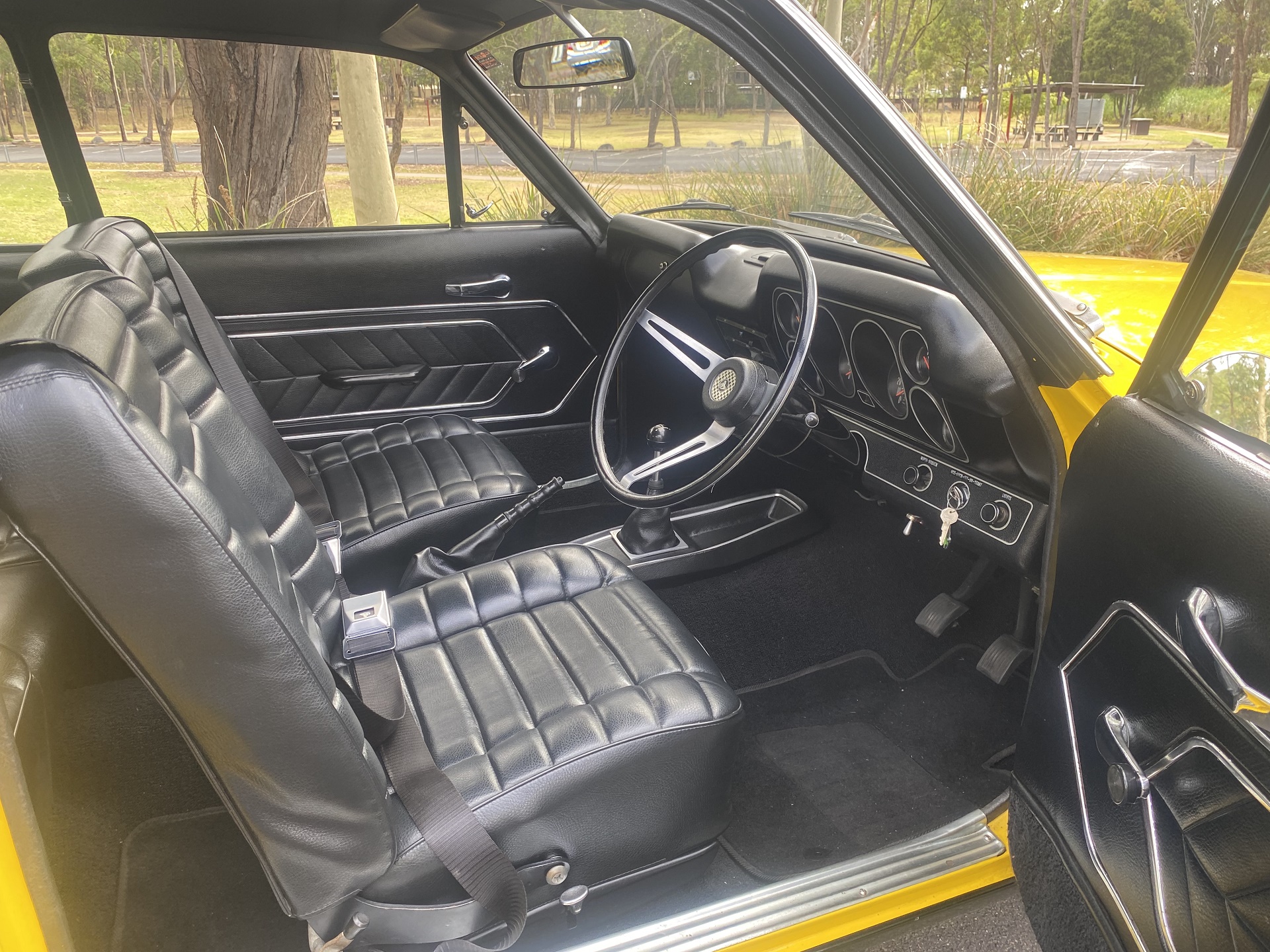
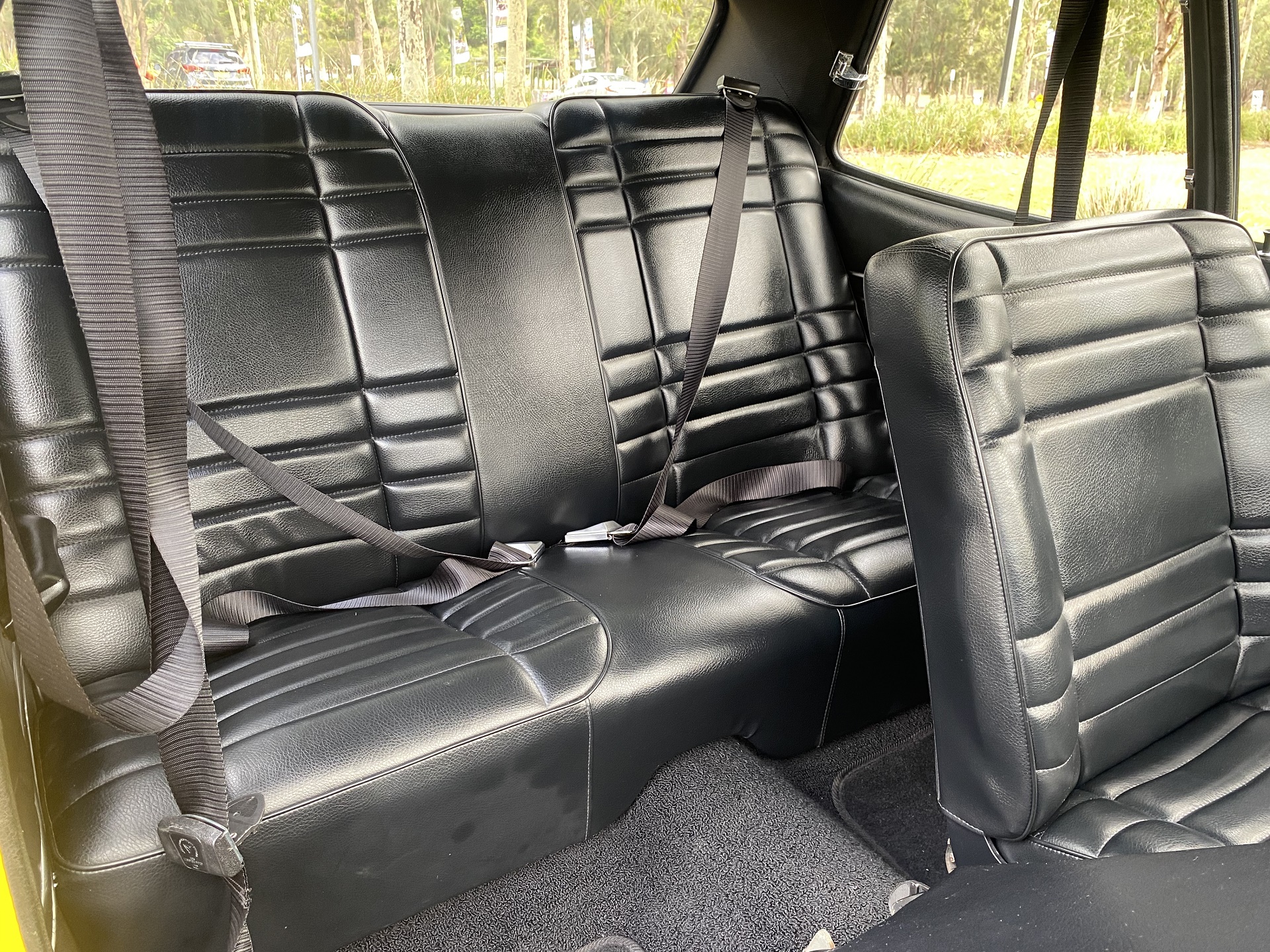
Inside, familiar GTR trim was retained, minus the badging, with black vinyl upholstery believed to be common to every GTR XU-1 built.
At $3,148 when new, the GTR XU-1 was a 13 per cent price increase over the $2,778 GTR, but almost twice the price of a base four-cylinder Torana.
Bathurst Success – Eventually
When Colin Bond took a GTR XU-1 to victory on its race debut at Warwick Farm, and Bob Morris was successful in the Toby Lee series at Oran Park in late September, 1970, it buoyed hopes for a win at the Hardie-Ferodo 500 a fortnight later. Up against the Falcon in GT-HO Phase II spec, the new Toranas qualified well. Colin Bond was fourth on the grid and Peter Brock/Bob Morris sixth in the HDT works cars. Don Holland qualified fifth in a privately entered XU-1.
The HDT cars were running 2-3 behind Allan Moffat’s Falcon and threatening for the win when valve failures blunted their campaign. The pair eventually finished well down the field, although Holland was third at the chequered flag.
Lessons learnt in 1970 were applied to the XU-1 for 1971, including modifications to the camshaft and cylinder head, redesigned sump baffling, an improved radiator, freer flowing exhaust and a modified carburettor. The four-speed manual transmission received close ratio gears and a stronger clutch, while the front suspension was reinforced and the wheels given stronger centres.
Production of the XU-1 continued into 1971, incorporating these changes as they were introduced, but a third batch of 299 GTR XU-1s built in the latter half of the year included all of the improvements. The two types are usually referred to as the ‘3100X’ for the initial 1970-71 batch, and ‘CK’ for the final 299 cars from 1971, based on engine identification.
On the track, the improved XU-1 won at Phillip Island and Sandown in 1971, with Colin Bond at the wheel on both occasions, but success once again eluded HDT at Bathurst, with Bond the best Torana finisher in fourth.
All the hard work put in by Firth and HDT wouldn’t come to fruition at Bathurst until 1972, when the LJ GTR XU-1 finally triumphed, with Peter Brock taking his first of nine wins at Mount Panorama.
Away from the tarmac, the GTR XU-1 proved to be a rally weapon, winning the Australian Rally Championship in LC form in 1971, then three years in a row with the LJ version from 1972.
XU-1 today
The popularity of the GTR XU-1 when new saw GM-H’s initial commitment to build 700 cars double due to demand. As many were purchased to go racing, attrition on the track cut the numbers down in the LC’s initial years, with others lost to time and rust in the decades since. How many genuine LC GTR XU-1s survive is hard to put a number on, but it’s likely to be only a few hundred at most.
Today, good, clean survivors are highly sought after and regularly command six-figure sums. GTR XU-1s rarely come onto the open market, though, so when this 1970-built example was listed with JUST CARS, it immediately caught our attention.
Sam’s Zippy
The seller of this car, Sam Bosnjak, has a connection to Toranas going way back. His first car was a 1980 UC Sunbird, but running a business, raising a family and paying off a mortgage meant Sam hasn’t been able to indulge his passion for classic Aussie muscle until recently. A few years back, Sam purchased a VH Valiant Charger R/T E37, while an impressive HK Monaro GTS was added to the family garage in 2021.
“I’ve always been a Holden person, and I’ve liked the HK Monaros since I was a kid,” Sam explained. “But I also love the sound of the Charger – that throaty roar it kicks out!”
In terms of this Torana, Sam sourced it from a seller on the NSW Central Coast in July, 2022, after spending the better part of two years hunting for a good example.
“I was initially looking at just an LC GTR, but checked my finances and thought I could go a bit more - to an XU-1 – but had to convince my wife with that one!” Sam laughed. “The GTR is nice, but there’s just something about the XU-1. When I saw this Yellow Dolly, I had to have it.”
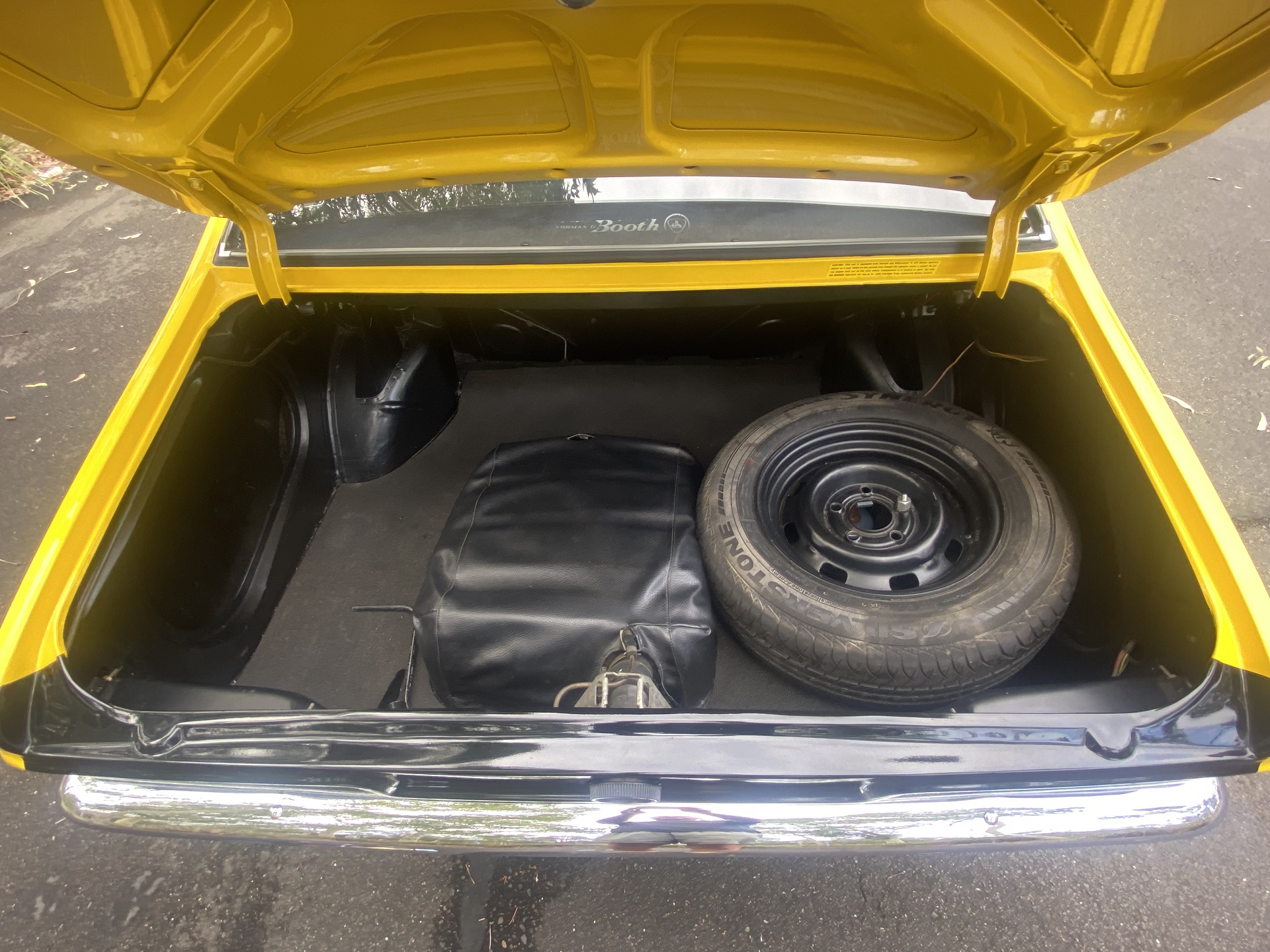
Nicknamed ‘Zippy’ by Sam’s family, this GTR XU-1 was sold new in NSW, and it’s believed to have never left the state. The original owner, based on Sydney’s Northern Beaches, purchased the car from Norman G Booth Holden, whose network covered three dealerships in inner Sydney. Used sparingly until 1976, the car was then stored for a decade and had only 29,000 miles on the odometer when it was sold to the second owner, located in western Sydney, in 1986. Unfortunately, a dispute over paying extra for the logbooks means that history is no longer with the car.
Special Spec, Careful Care
Decoding the VIN tag reveals this Torana was assembled at GM-H’s Acacia Ridge plant in Brisbane in August, 1970, meaning it was early in the first XU-1 production run. Another pointer is the ‘B’ addition to the body number, which was only applied to vehicles built in Brisbane, as well as the ‘M’ suffix on the model number, which identified a manual transmission. This identification was not applied to Toranas assembled at Elizabeth in SA.
The trim number confirms this car was factory finished in Yellow Dolly and came with the black vinyl interior that’s common to all LC GTR XU-1s.
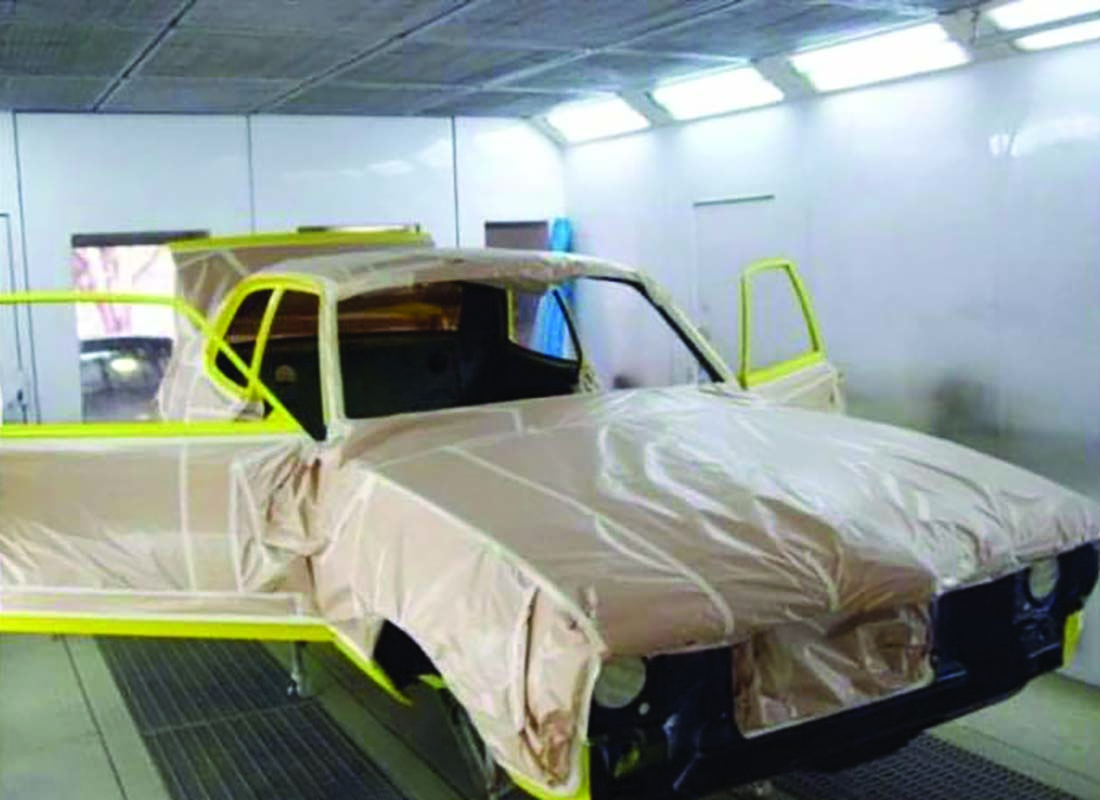
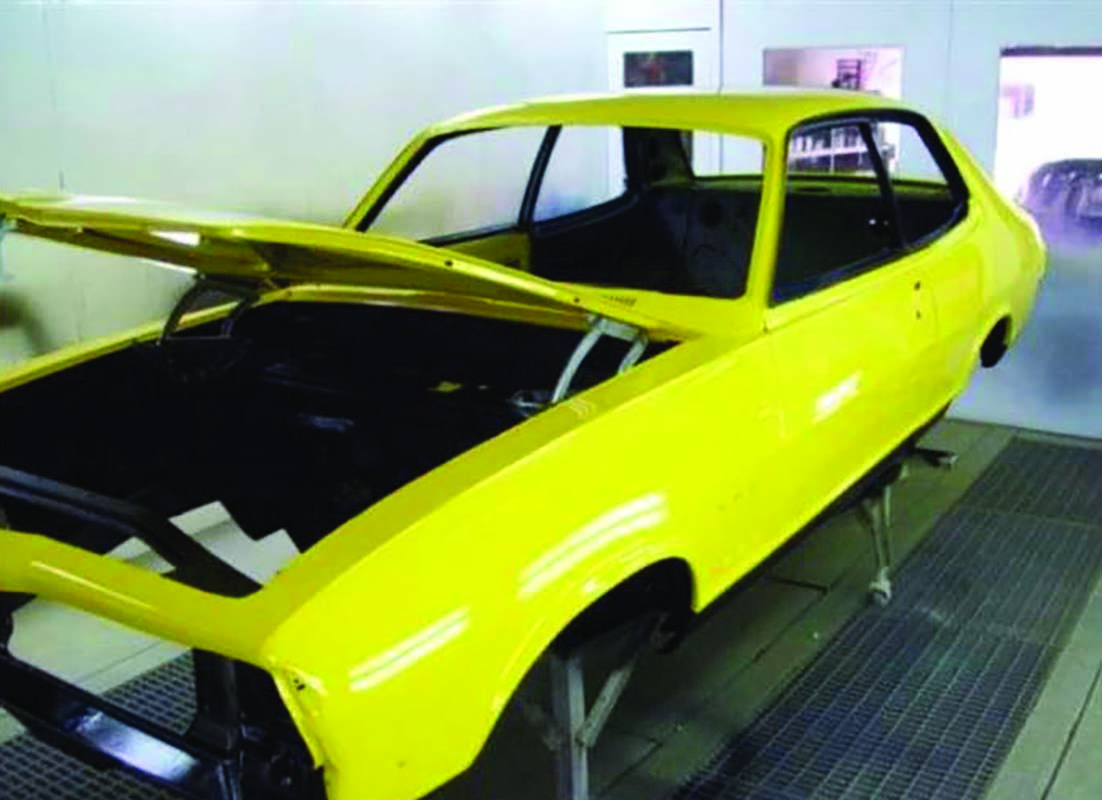
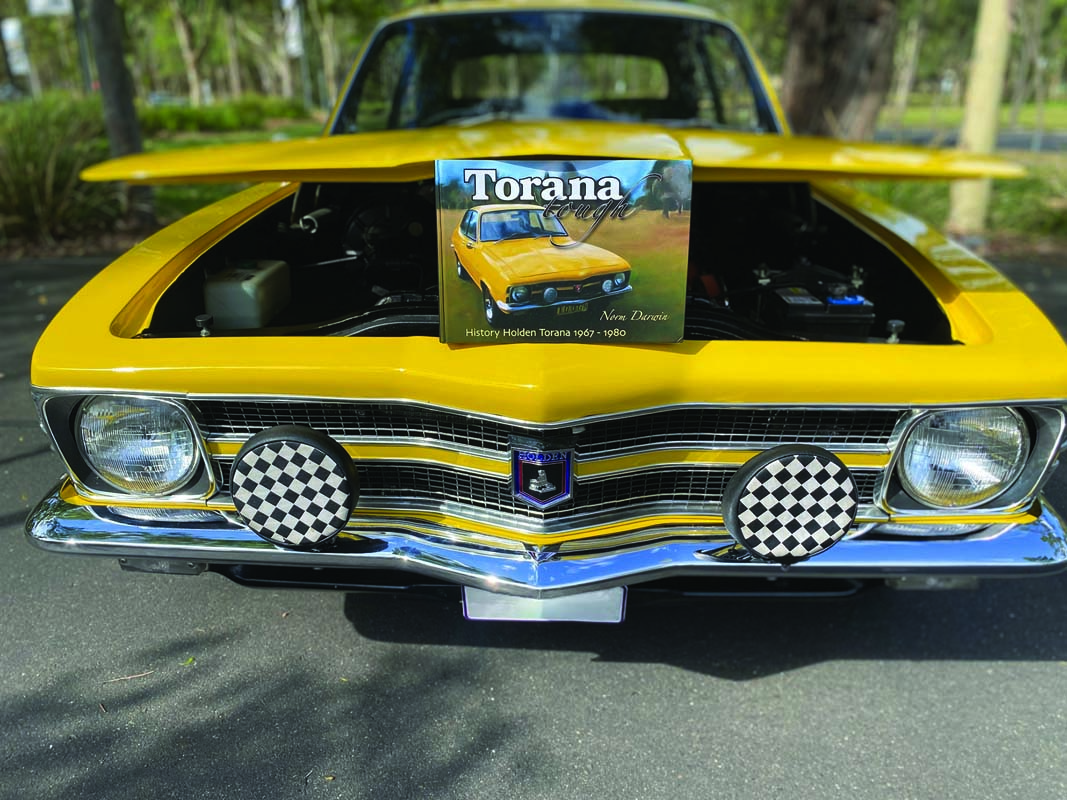
After its long time in storage with the first owner, some refurbishment was required, so the second owner had the car stripped, and the exterior and engine bay resprayed in 2009. following year, this car was at the NSW All Holden Day, where it was spotted by Norm Darwin, who had it photographed for the cover and internal pages of Torana Tough, his detailed history of the Torana. Apparently, Darwin selected this car as an ideal, factory authentic example of the LC GTR XU-1.
The second owner held on to the car until 2021, adding only 3,000 miles in his 35 years of ownership before selling it to the third owner, whom Sam purchased it from.
While the body and engine bay have been refurbished once in this car’s 56-year history, the running gear remains original, aside from perishables like hoses, fuel lines and the like. The 186S is the factory-fitted engine and carries the correct ‘3100X’ stamping. This is the key identifier for a genuine XU-1, as the VIN tag does not distinguish between a GTR and GTR XU-1.
It may seem hard to believe, based on the photos, but the interior of this car is completely original, too. The carpets and sill plates show some wear, but the seats, doortrims and dash are remarkably well preserved. That reflects a high level of care by Sam and the previous owners.
Moving Up
With an L34 or A9X Torana now on his wish list, Sam is looking to sell this GTR XU-1 (see breakout). “They’re on my bucket list,” Sam laughs. “I want to experience as many of these cars as I can. I really enjoy driving these cars and seeing how they’ve evolved over the years.”
The odometer on this car now reads 33,376 miles, of which Sam has added a little over 1,000, mostly attending local Cars & Coffee events.
As offered, no repair or refurbishment is needed by the next owner. The perfectionist may spot a few minor areas needing refreshing, but this car is so good as is that a restoration is simply unnecessary.
Those with only a casual knowledge of Toranas will appreciate this car, but enthusiasts will truly understand its value, given its originality in so many areas.
Sam spent two years looking before he found this car. Miss out on your chance to secure this one and you could be looking even longer.
Thanks to Motor Book World for research material provided for this article
Motor Book World, VIC. Ph: (03) 9830 2644. www.motorbookworld.com.au
FOR SALE
A remarkably well-preserved example, this Torana has had one respray, but retains its original XU-1 spec engine, transmission, interior and other features. A Holden Historical Services report on the car is available, confirming its production history.
Nothing is required by the next owner – simply jump in and enjoy.
Asking for offers over $230,000. For more details, click HERE.


