

Words: Mike Ryan
Photos: National Corvette Museum
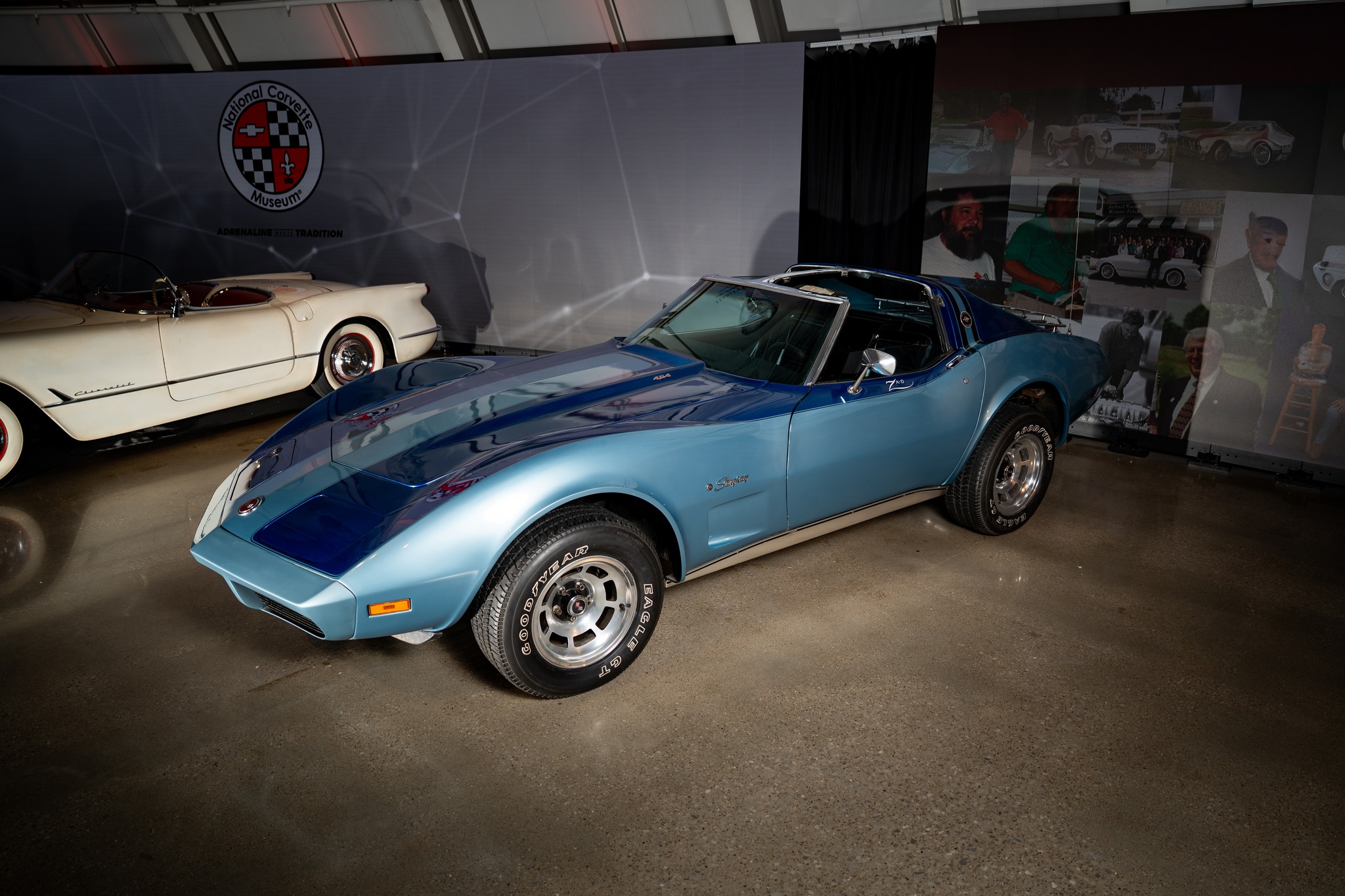
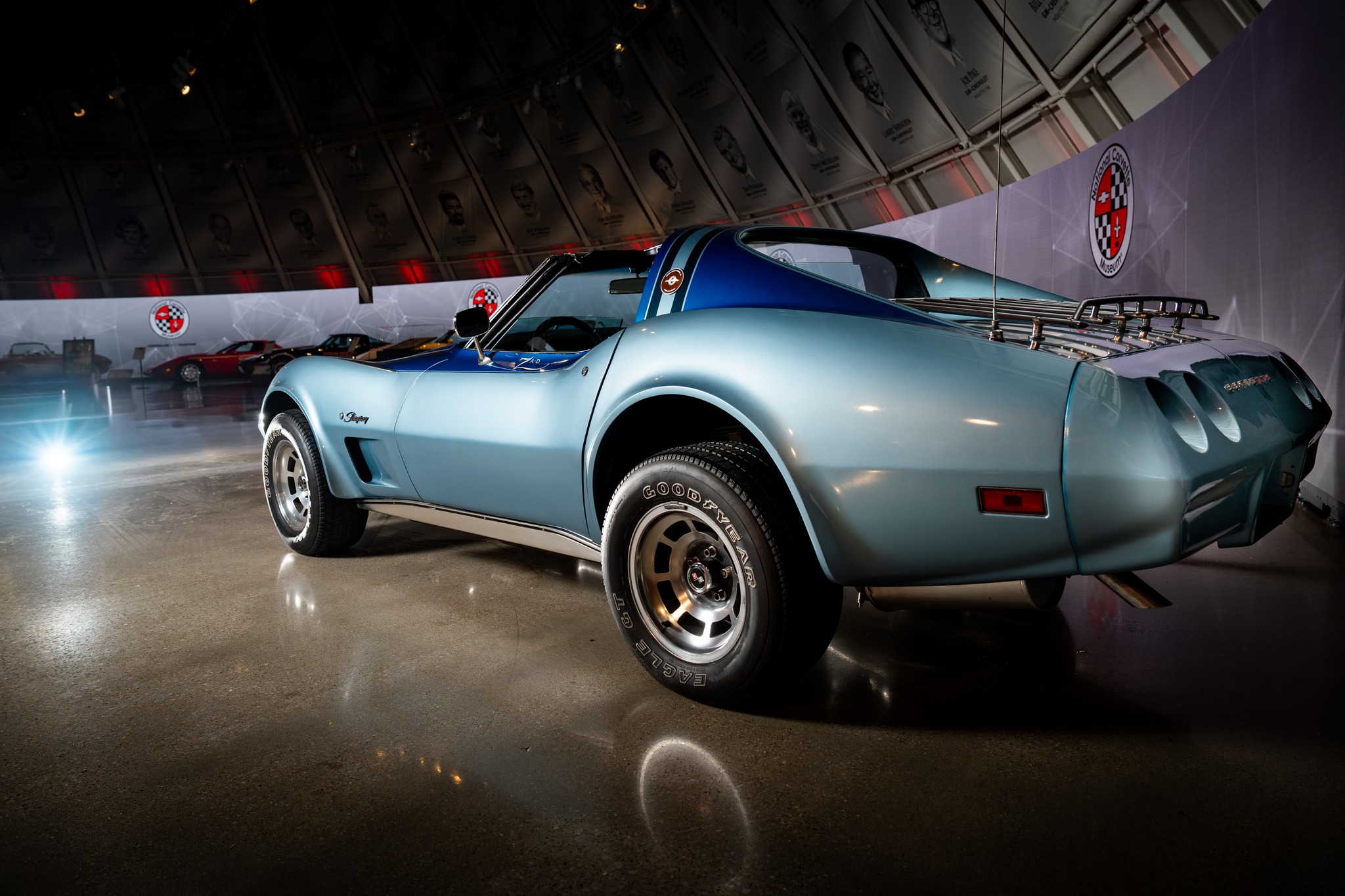
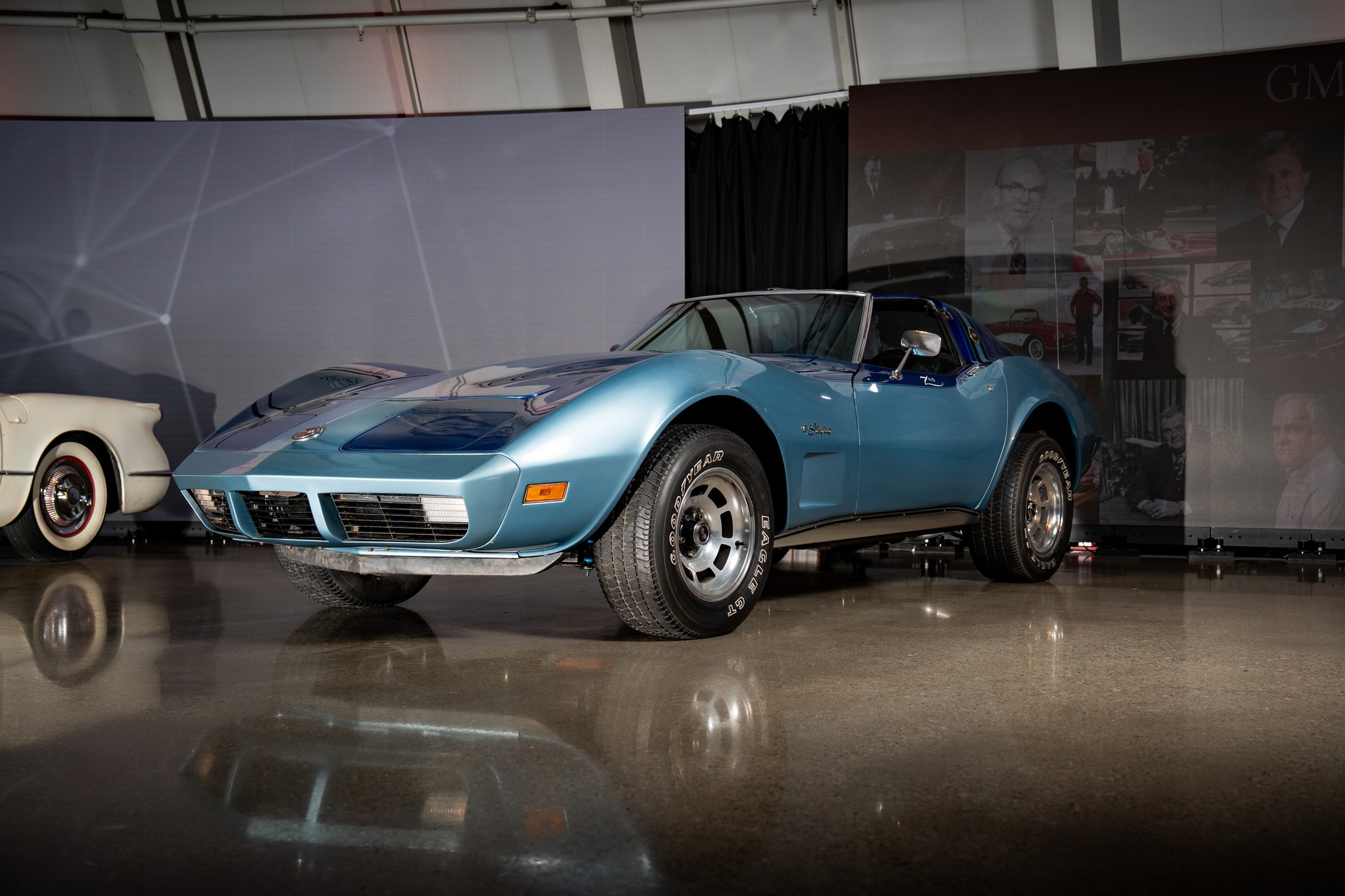
Last year, the National Corvette Museum in the USA unveiled a special Corvette. The only example of the model owned by longtime Corvette Chief Engineer, Zora Arkus-Duntov, the 1974 Stingray T-top coupe had been a gift upon his retirement.
Last August, following extensive preservation work, the car was unveiled at the Museum's 31st Anniversary Celebration.
To call Zora Arkus-Duntov the ‘Father of the Corvette’ is incorrect, as the car had already been presented in concept form, with production signed off before he joined Chevrolet in May, 1953. ‘Champion of the Corvette’ would be more accurate, accurate, as Zora fought hard to not only keep the Corvette in production, but also keep it relevant to sports car enthusiasts when many within Chevrolet, and GM more broadly, wanted to either soften it or end the project entirely.
Remarkable Beginnings
Zora’s early years are a story in themselves, with the young man finding himself involved in key events of 20th Century history.
Born in Brussels in 1909 to Russian Jewish parents, Zachary Arkus spent his first few years in Belgium before the family moved back to their hometown of St. Petersburg. After experiencing World War I and the Russian Revolution, the family relocated to Germany in 1927, where the teenage Zachary (the ‘Zora’ nickname would come in time) got his first taste of automobiles and speed.
By this stage, Zora’s parents had divorced and his mother had remarried to Josef Duntov, hence adoption of the Arkus-Duntov surname.
Studying engineering at Charlottenburg Technical University in Berlin allowed the young Zora to combine his enthusiasm with solid technical practise. While in Germany, Zora would come into contact with Ferdinand Porsche and Ettore Bugatti, taking learnings from both: the technical acumen and precision of Porsche, and the flair and passion of Bugatti.
By the late 1930s, Germany's increasing hostility to Jews under National Socialism made life dangerous for someone with a background like Zora, so he moved to Paris and married a longtime acquaintance, Elfriede Wolff, in 1939. When World War II broke out, Zora and his brother, Yura, joined the French Air Force. After the fall of France in 1940, Zora, his wife and family managed to flee to the US, via Spain and Portugal.
Settling in New York, Zora and Yura established an engineering business – Ardun Mechanical Corporation – that would produce armaments and aircraft parts for America’s war effort. The Ardun name (a contraction of Arkus-Duntov) would become better known after World War II for overhead valve conversion kits to suit Ford flathead V8s.
Ardun boomed, then bust just as quickly, leaving Zora looking for work. He landed a job in the UK with Sydney Allard, who had been producing sports cars on a small scale since 1946. These early cars all featured Ford V8 running gear, which slotted in nicely with Zora’s experience, while Allard’s passion for racing was also a neat fit. Zora would drive Allard’s entries in the 24 Hours of Le Mans in 1952 and 1953, then return to Le Mans in a Porsche 550 RS in 1954 and ‘55.
A Corvette Introduction
By the early 1950s, the shoestring nature of Allard’s business was becoming more apparent, leading Zora to resign in 1952 and go back to America. Before he even left the UK, Zora had written to Chevrolet Chief Engineer, Ed Cole, asking for work. That letter apparently went unanswered, so when Zora was back in New York and had witnessed the Corvette concept make its public debut in January, 1953, he tried again.
Zora saw the Corvette’s potential to be competitive against English sports cars that then dominated the US market. He explained this in his second letter to Cole, which was enough to convince the engineering boss to hire him.
Zora’s early work at Chevrolet didn’t bring him anywhere near the Corvette, so a third letter was sent. This one led to him being reassigned to the Corvette engineering team.
Improvements and Disappointments
Finally in the role he’d coveted, Zora began to implement his vision, but individual passion rarely triumphs over corporate reality, so it would have to be piece by piece. Zora was envisaging items like all-alloy engines, transaxles, independent suspension and four-wheel disc brakes. Most of these would come to fruition in Zora’s lifetime, but other dreams for the Corvette, like four-wheel drive and a mid-mounted engine, would only become a reality after his death in 1996.
Zora was given the title of Director of High-Performance Vehicles at Chevrolet in 1956, and while he was the Corvette Chief Engineer in all but name, that title wouldn’t sit on his desk until 1968.
While at Corvette, Zora’s achievements included the introduction of a V8 engine and manual transmission for 1955, fuel injection in 1957, and independent rear suspension in 1963. Less obvious improvements from that latter year included a shorter wheelbase and improved weight distribution.
The second-generation ‘C2’ Corvette for 1963, the first all-new design since the model’s debut a decade earlier, was also the first example Zora said he’d be proud to drive in Europe – against the best sports cars from the Continent.
An industry-wide, then GM-specific, ban on factory involvement in racing arguably prevented Corvette becoming as revered a name in competition as Ferrari or Porsche. As such, Zora's loftiest visions could only be expressed in one-offs and experiments, like the Q-Corvette, SS, CERV I, CERV II and Grand Sport. Some of the elements and ideas seen on these projects would later be applied to production cars, though.
Three and Out
When the third-generation ‘C3’ Corvette debuted for 1968, the changes weren’t all that significant in engineering terms. Sure, the body was all new, but underneath was a lot of familiar componentry.
Zora’s improvements and additions would now be more incremental. He was still facing roadblocks from the bean counters at Chevrolet, but a bigger problem was that the Corvette was now selling very well, so the publicity generated by involvement - and success - in motorsport simply wasn't needed.
Zora still recognised that racing improved the breed, so he managed to sneak performance parts through as factory options under the RPO and COPO systems for privateer racers. One such RPO item was the all-aluminium 427 V8, which was officially rated at 430hp, but actually produced around 535hp in the Corvette ZL-1.
With increasingly powerful engines like this, Zora would focus on things like improving cooling and reducing front-end lift at speed. The latter had been an issue with the C2, and never fully addressed.
Mid-engine Corvette concepts appeared in 1967 and ’68, but like similar experiments from earlier in the decade, never went anywhere. GM formally canned the idea in the mid-1970s, much to Zora’s disappointment. The same fate befell a rotary-engine Corvette concept from 1973.
Despite this, when Zora retired on 1 January, 1975, aged 65, he’d been pivotal to the development – and improvement - of three generations of Corvette.
A Parting Gift
For his retirement, Zora was given a 1974 Corvette Stingray T-top coupe. Why he didn’t receive (or choose) a brand-new 1975 model may be explained by the fact that the ’75 Corvettes weren’t available with a 454 Big Block engine. This had been introduced for the 1970 model year and became a passion project of Zora’s, especially in optional 'LS6' form that added aluminium heads and solid lifters for 425hp.
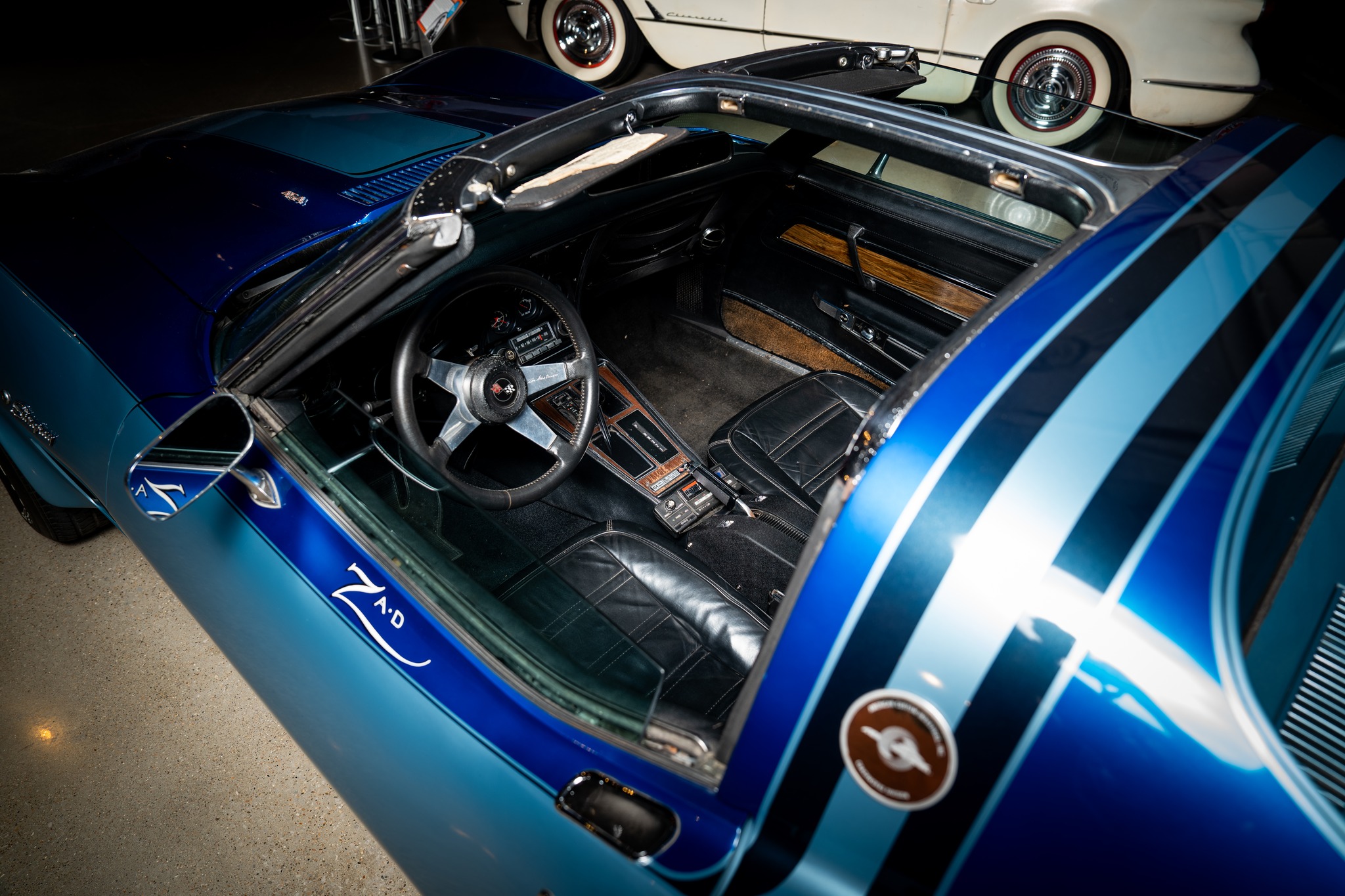
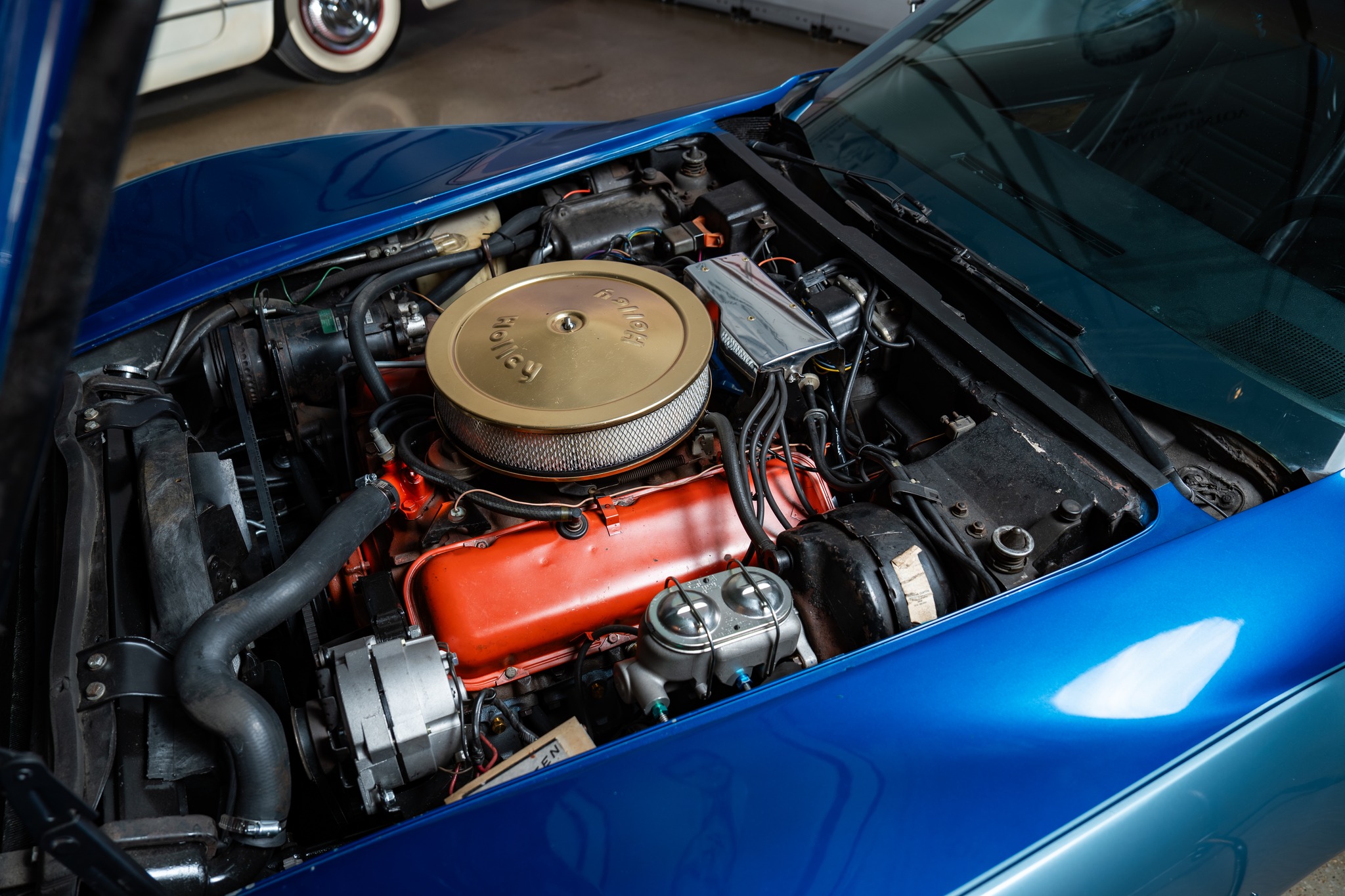
Along with a stock 270hp 454, Zora’s gift Corvette was fitted with an automatic transmission and pre-production wheels, along with luxuries a more befitting a 65-year-old, like power steering, power brakes, power windows, leather seats and air conditioning.
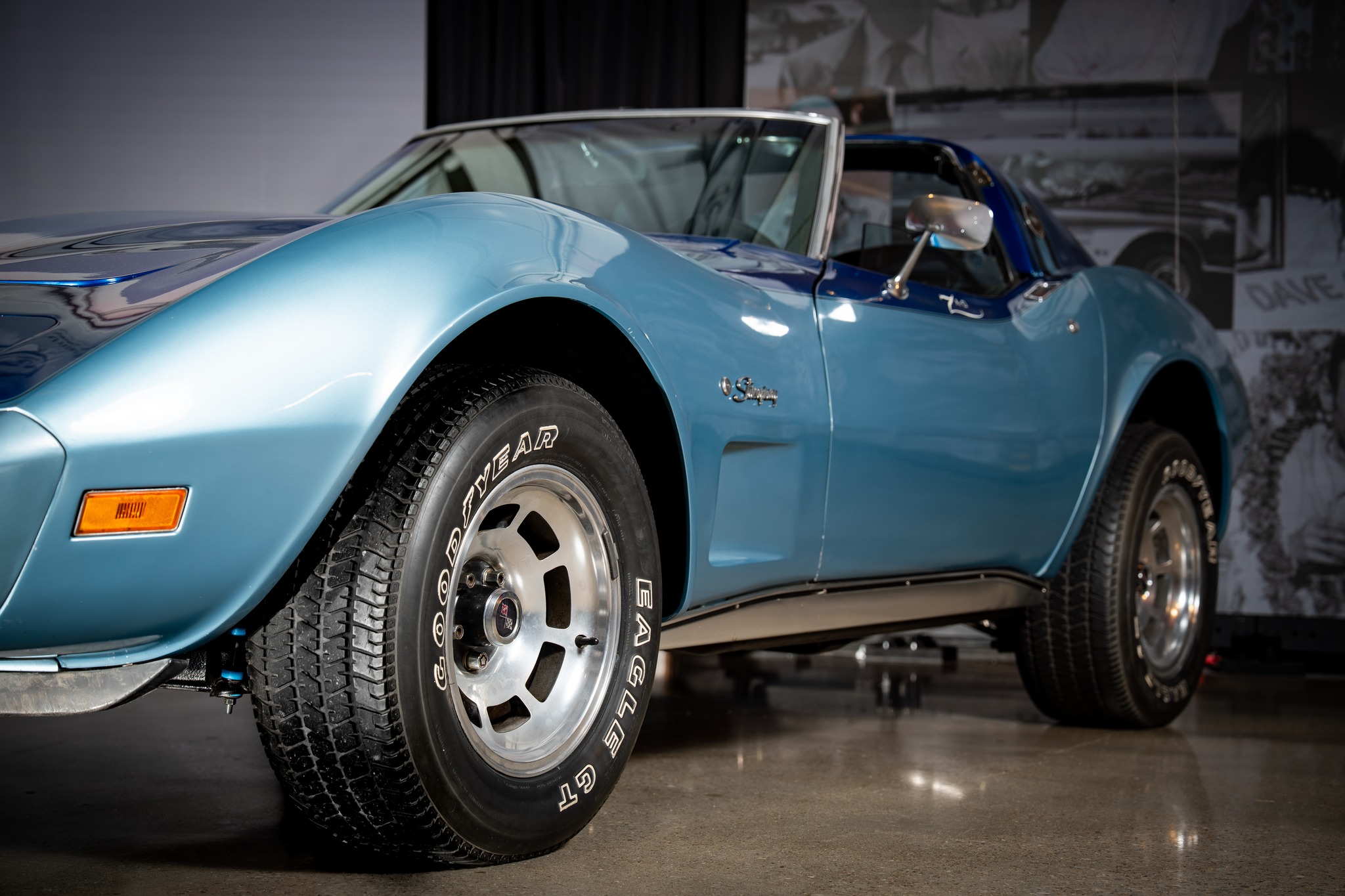
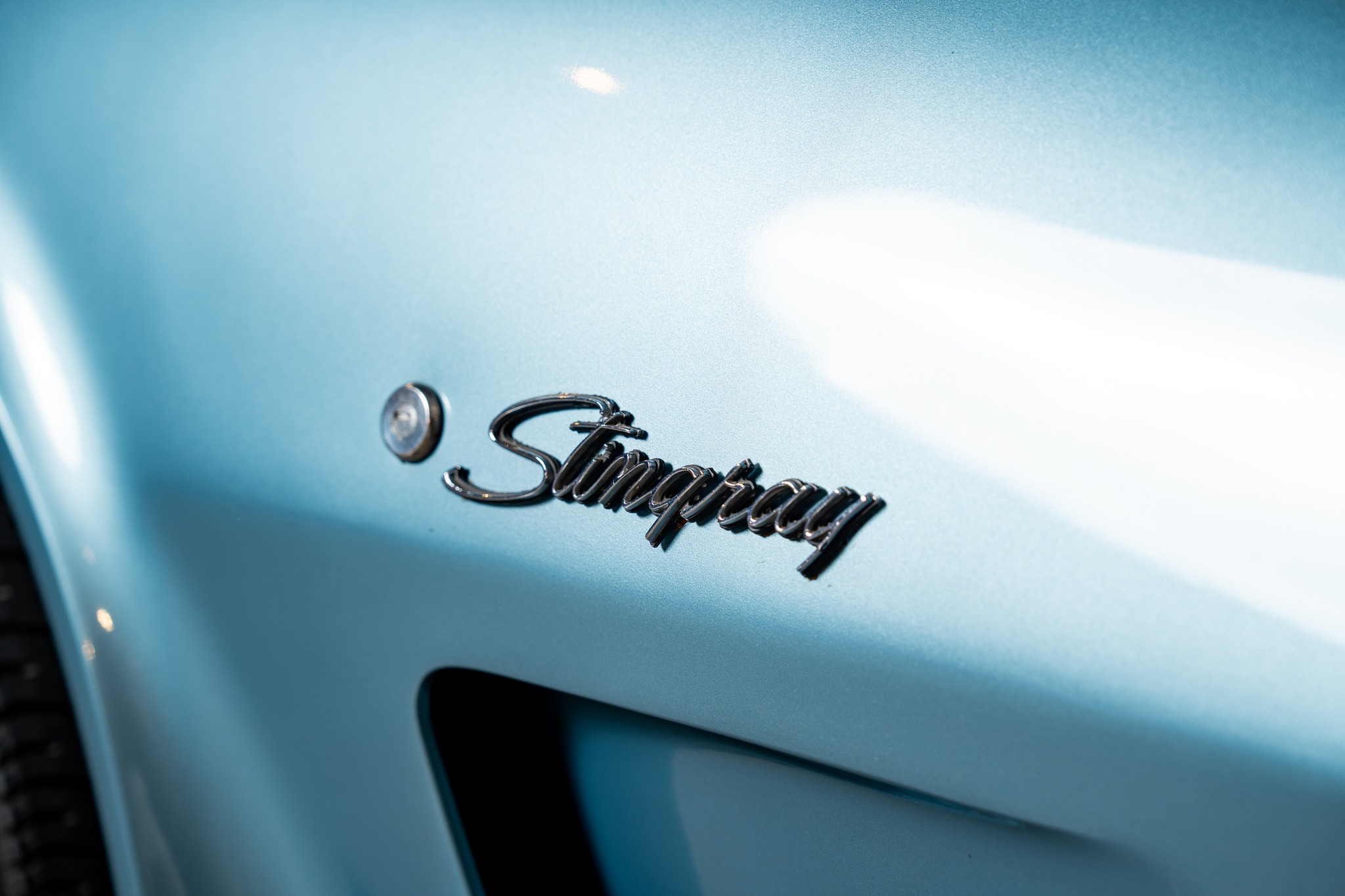
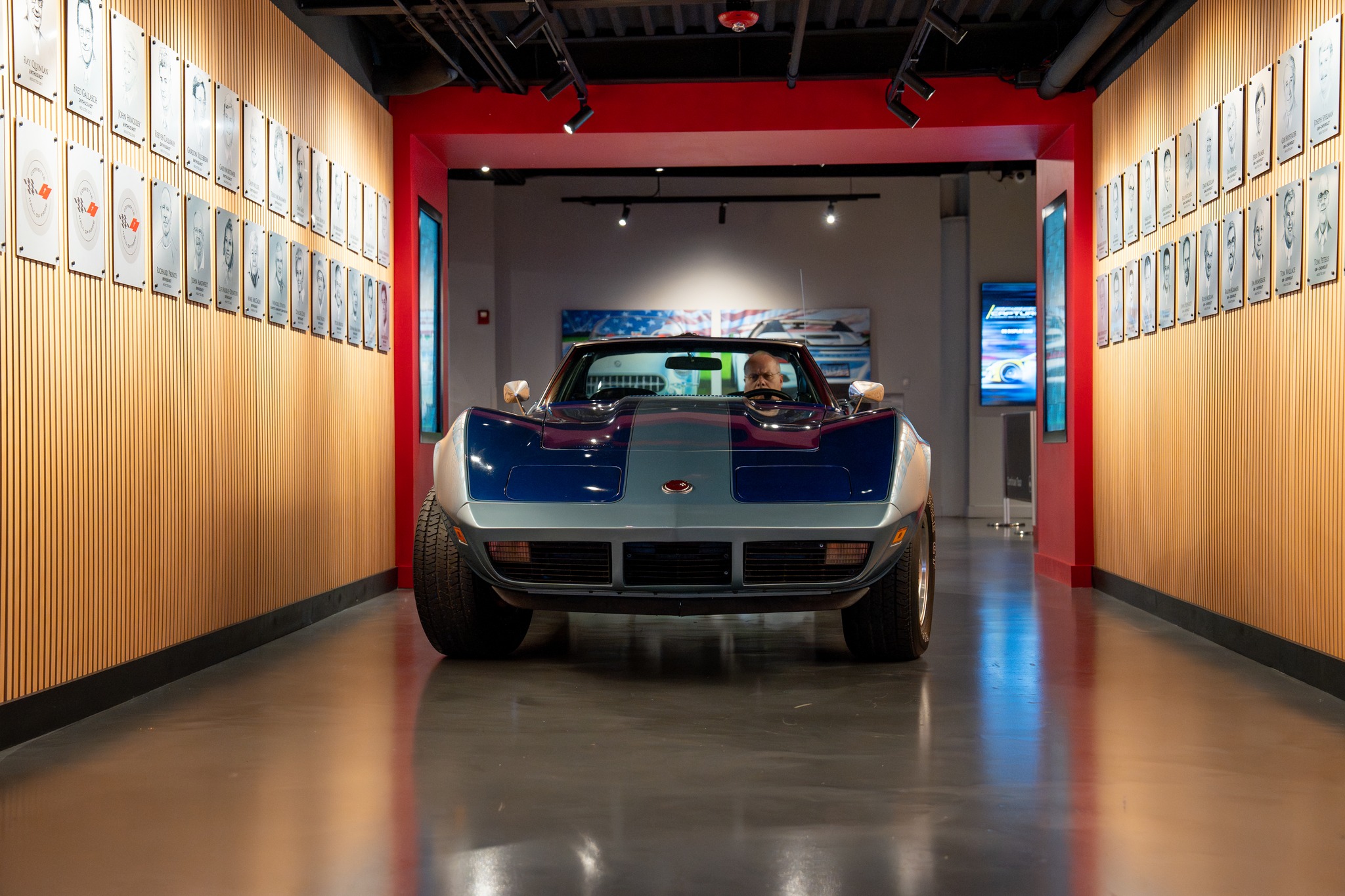
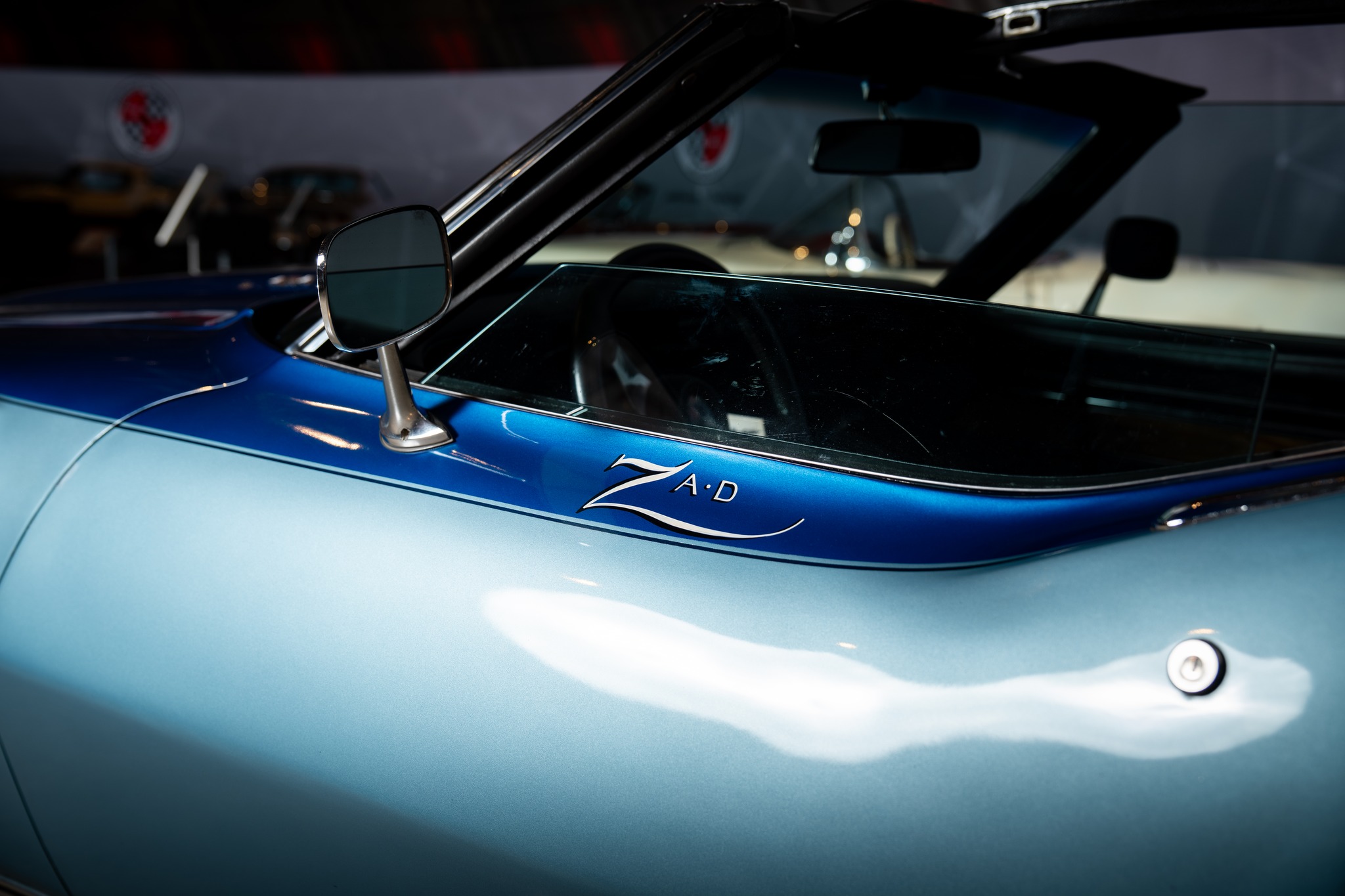
Originally finished in metallic silver, Zora’s Corvette was later repainted green, then two-tone blue. The latter paint job was apparently not to Zora’s commission – he just sent the car to a friend and it came back as seen in these images. The personalisation also included ‘ZAD’ monograms on the doors and a ‘Zora Arkus-Duntov Engineering Center’ badge on the tail. Additional badges, for fibreglass specialists, ‘American Custom Industries Inc.,’ are also specific to this Corvette.
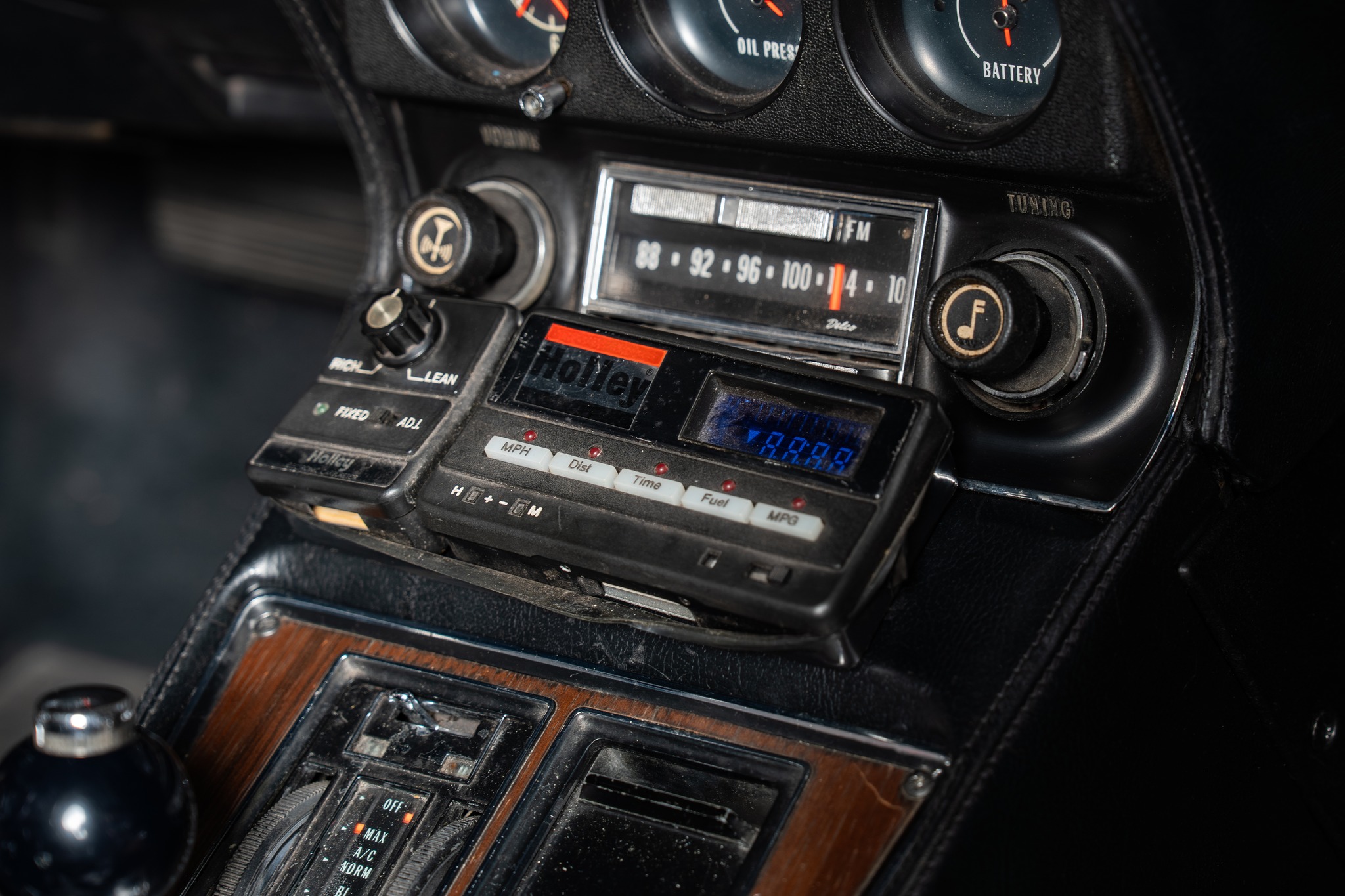
While in Zora’s possession, this Corvette also received a Holley induction controller that allowed fuel-air mixture to be adjusted from the cabin.
On Point and On Show
How often Zora drove this unique Corvette is unknown, but wear was obvious when it was sent to the National Corvette Museum (NCM) for refurbishment.
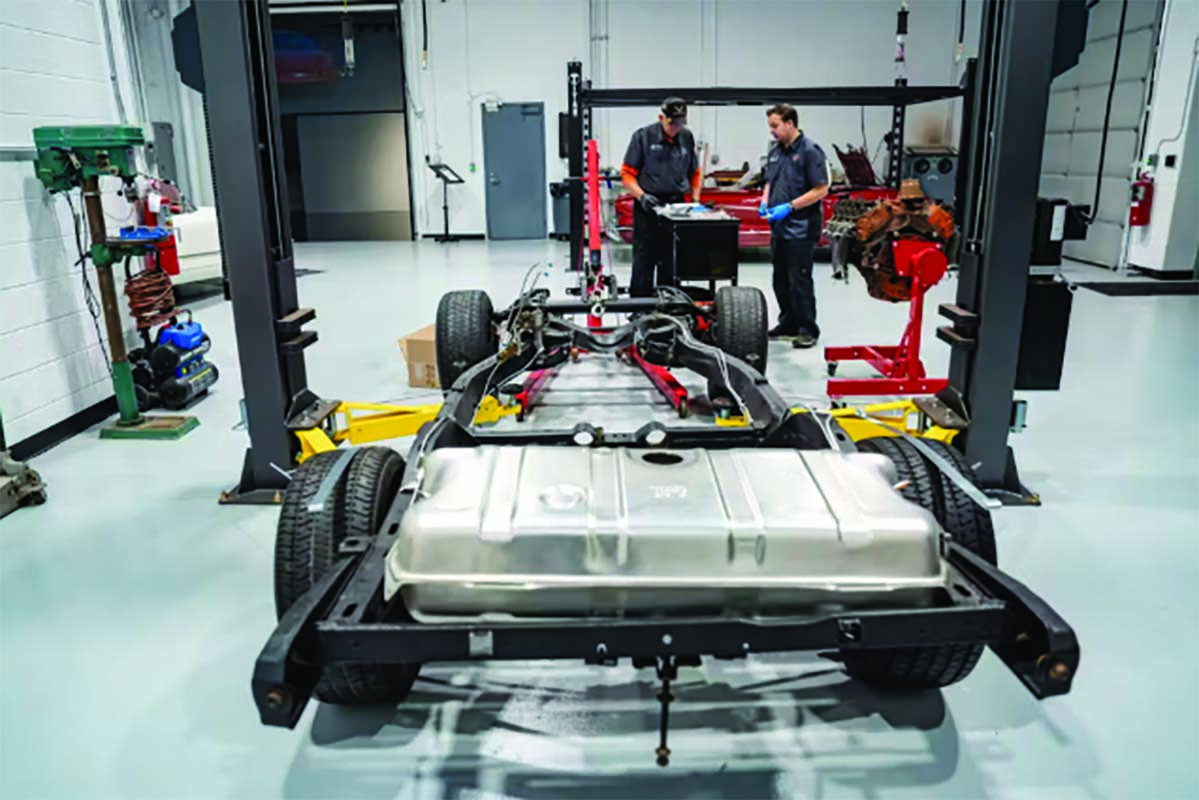
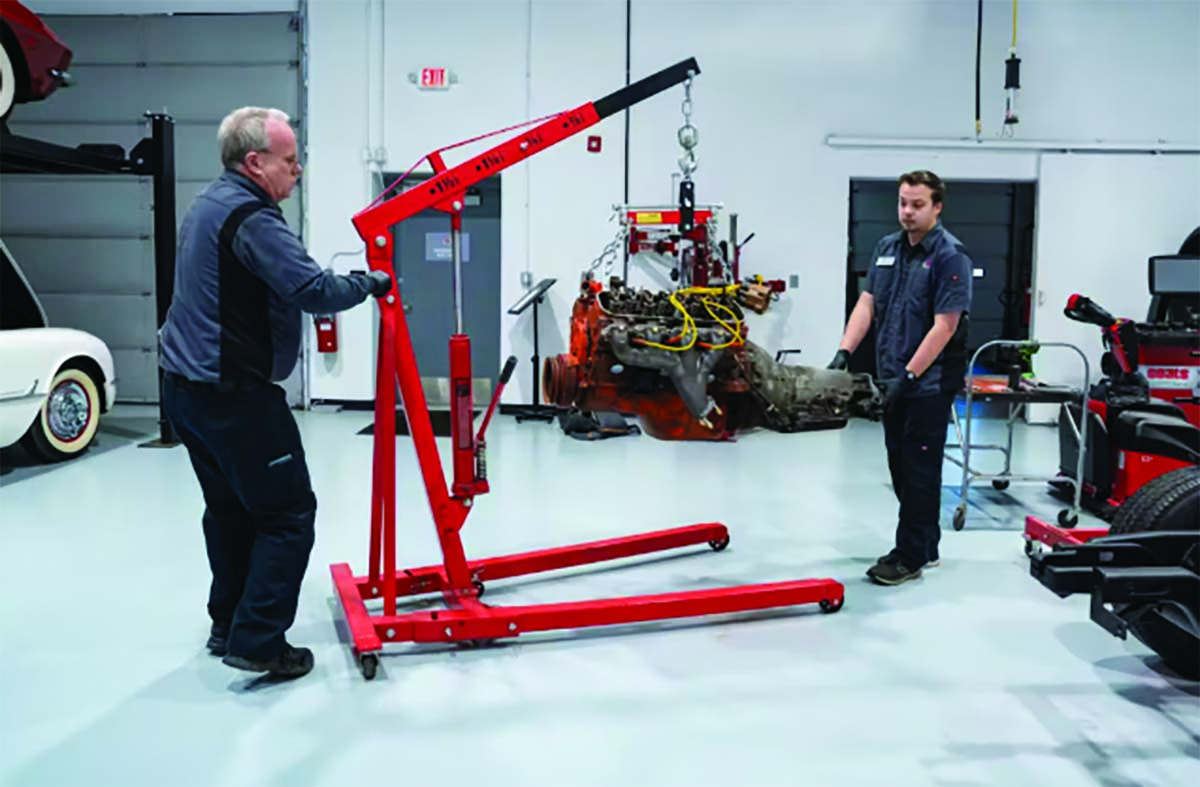
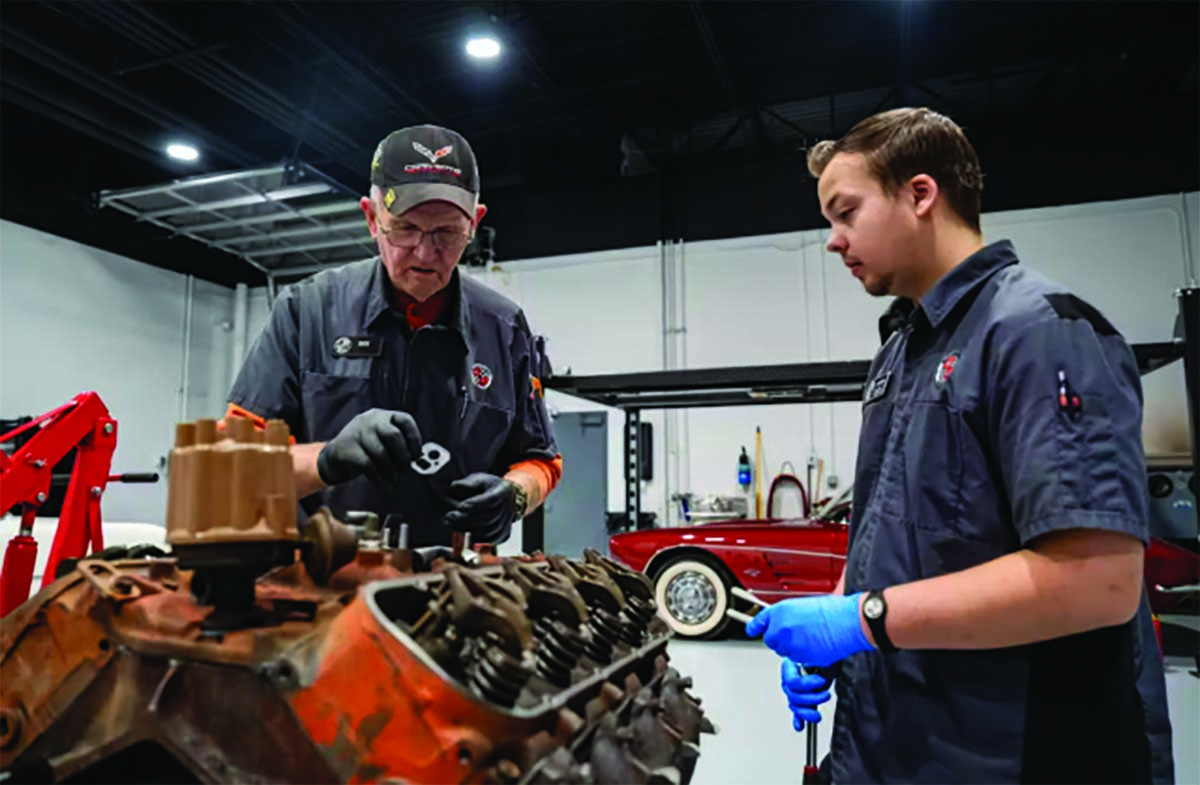
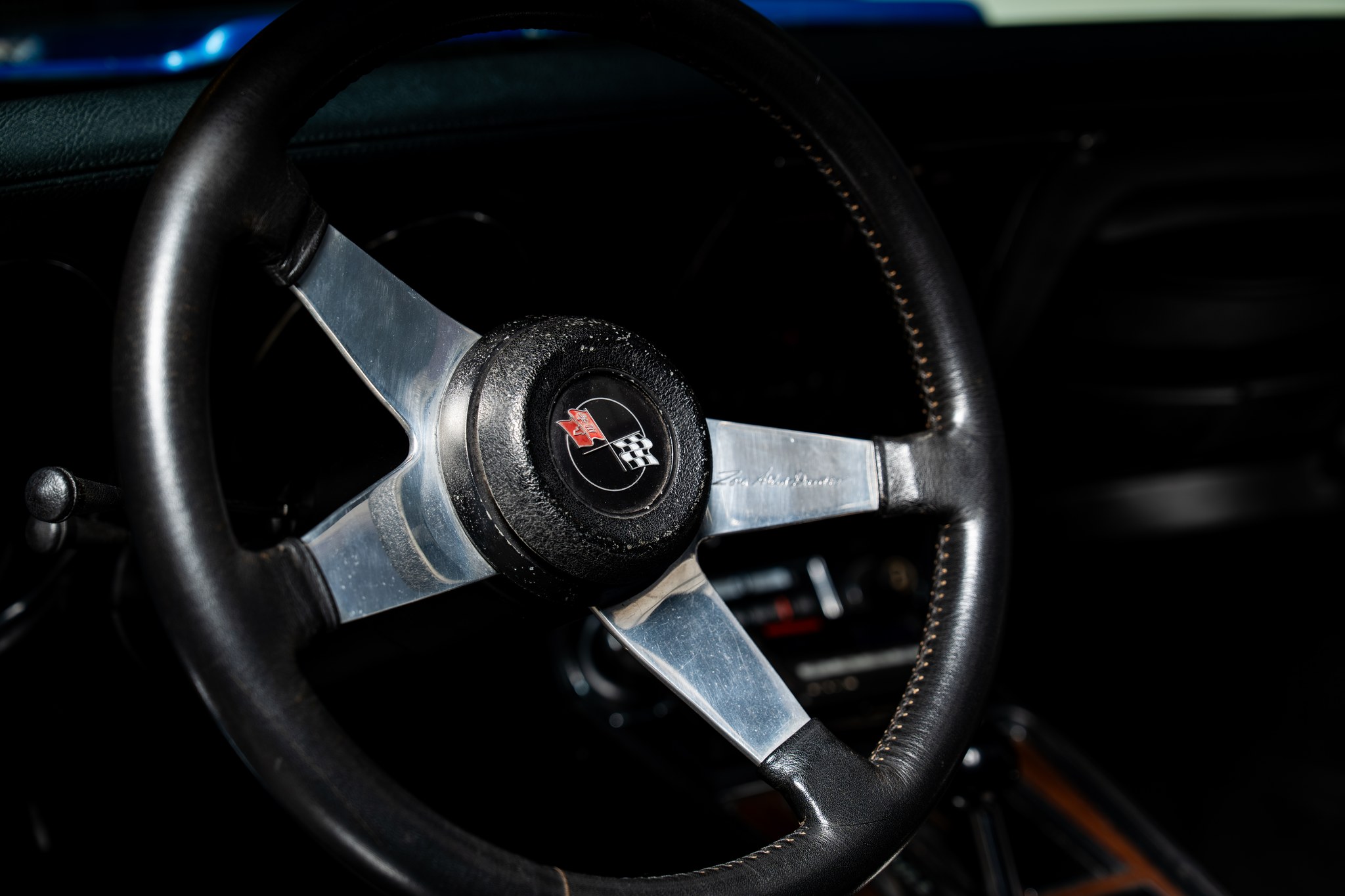
With a focus on preservation over restoration, the body was carefully separated from the chassis to allow full access to the running gear, brakes and suspension. Every component was then documented, cleaned and reinstalled. To maintain the car’s originality, nothing was replaced unless necessary, so features like a creased leather armrest, stressed from years of Zora’s elbow resting while he drove, were left untouched.
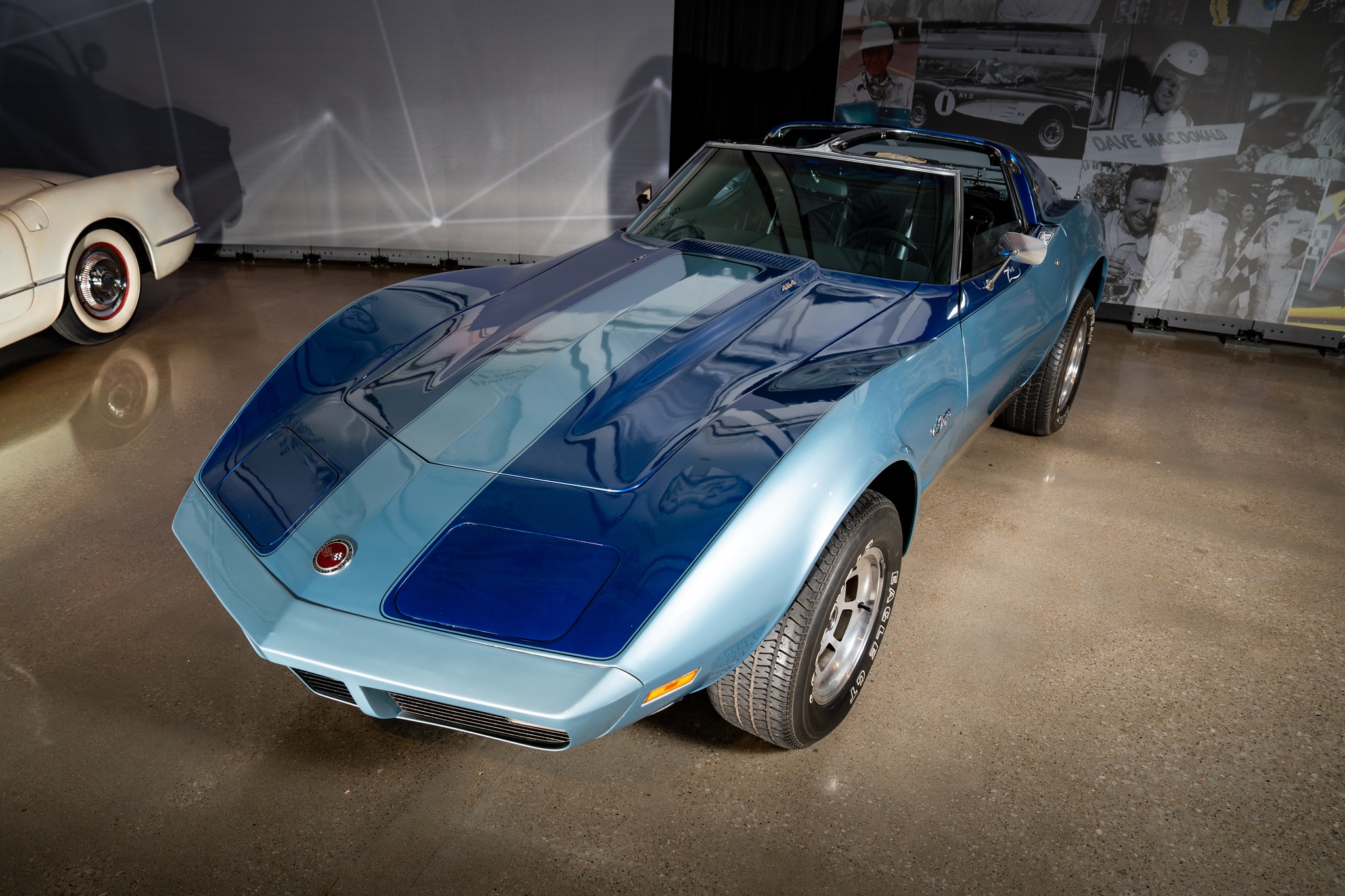
After a meticulous, multi-year process by the NCM’s Collections and Preservation team, Zora Arkus-Duntov’s Corvette – the only Corvette he ever owned – was completed in time to display in the Corvette Hall of Fame for the NCM 31st Anniversary in August, 2025.
“This car represents Corvette history in its purest form,” said Robert Maxhimer, National Corvette Museum Director of Curatorial Affairs & Education. “Preserving Zora’s personal Corvette is the first of many in-depth preservation projects that will ensure our collection lasts for generations.”


